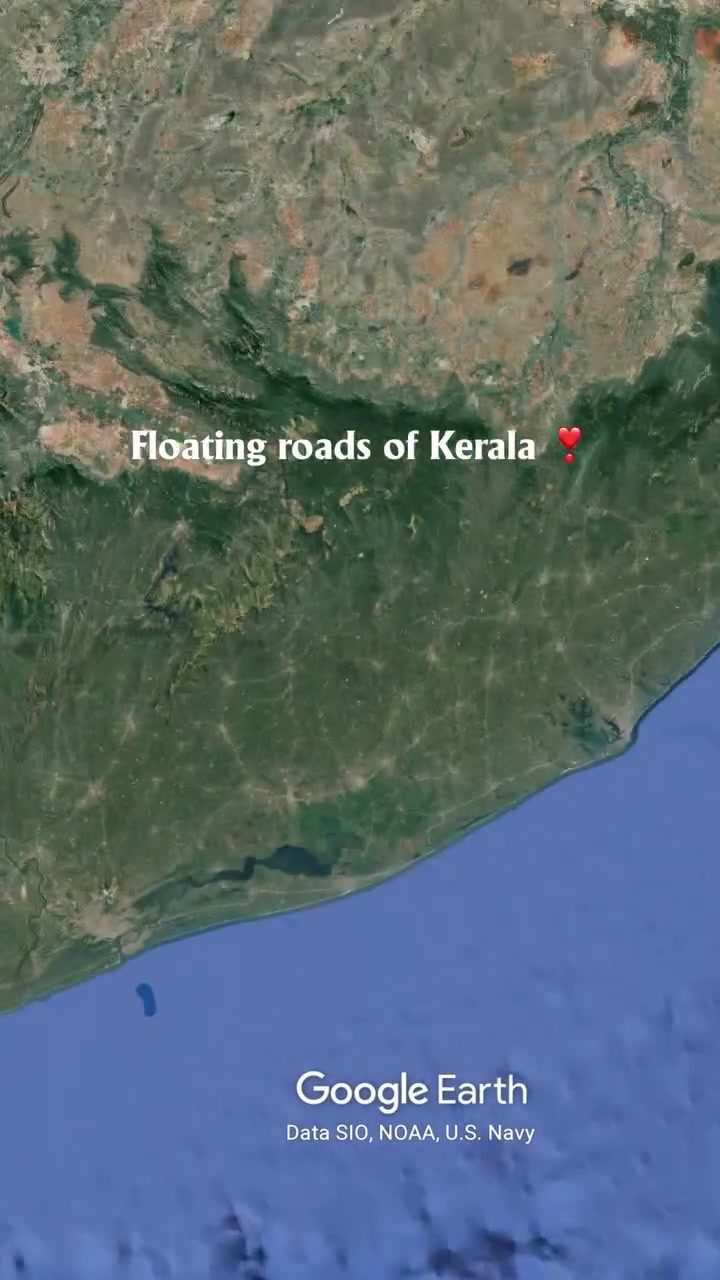
Floating Roads of Kerala: A Unique Monsoon Phenomenon
Floating roads are a remarkable sight, and Kerala, India, is one of the few places where this unique phenomenon can be witnessed, especially during the monsoon season. These roads, situated in low-lying areas, become submerged under water, transforming into what appears to be a floating roadway.
Context / Why this matters
The floating roads of Kerala are not just a curiosity; they are a vital part of the region's infrastructure. During the monsoon season, when heavy rainfall causes widespread flooding, these roads ensure that communities in remote and low-lying areas remain connected. The roads are raised above the water level, allowing vehicles to traverse them as if they were regular roads, but with the added spectacle of being surrounded by water.
Monsoon Season in Kerala
Kerala, located in the southwestern part of India, is known for its lush greenery, serene backwaters, and vibrant culture. The monsoon season, which typically lasts from June to September, brings heavy rainfall to the region. While the rains can cause flooding and disruption, they also create a unique landscape, including the floating roads.
The Science Behind Floating Roads
Floating roads are an engineering marvel. They are built higher than the surrounding land and are often reinforced with concrete or other durable materials. This elevation allows the roads to remain above water even during the heaviest rainfall. The roads are constructed with a slight incline to facilitate water drainage, preventing water from pooling on the surface.
Veliyanad Village: A Case Study
Veliyanad Village in Alappuzha district is one of the places where these roads can be seen. The village is surrounded by waterways and paddy fields, making it particularly susceptible to flooding. During the monsoon, the village transforms into a watery world where the only way to get around is by boat or floating road. The roads in Veliyanad are a lifeline for the villagers, connecting them to essential services and markets. During heavy rainfall, the roads allow villagers to travel safely while the surrounding areas are submerged. The satellite view of the region shows how these roads are cleverly integrated into the landscape, providing a unique solution to a challenging problem.
Practical Tips for Travellers
If you are planning to visit Kerala during the monsoon season, here are a few practical tips to make the most of your trip:
- Check the Weather: The monsoon season can be unpredictable, so keep an eye on the weather forecast to plan your activities accordingly. It would be best if you had a reliable source for weather updates.
- Choose the Right Transportation: During the monsoon, some roads may be inaccessible due to flooding. Opt for boats or other water-based transportation to explore the region.
- Pack Appropriately: Carry waterproof gear, including raincoats, umbrellas, and waterproof shoes. A good pair of wellies or rain boots would also be useful.
Important Takeaways
The floating roads of Kerala are more than just a unique sight. They are a testament to human ingenuity and adaptation to challenging conditions. These roads ensure that communities remain connected and safe during the monsoon season, which is a critical aspect of life in Kerala. But they are also a reminder of the beauty and resilience of the region.
Conclusion
The floating roads of Kerala are a unique and fascinating phenomenon, offering a glimpse into how communities adapt to their environment. Whether you are a traveler or a local, these roads are a symbol of resilience and ingenuity. The next time you visit Kerala during the monsoon season, be sure to witness this remarkable sight for yourself.
Watch the Reel
Questions readers ask
What are the floating roads of Kerala?
The floating roads of Kerala are elevated roadways that become submerged under water during the monsoon season, appearing to float. They are typically found in low-lying, flood-prone regions and serve as crucial transportation links for remote communities, acting as crucial transportation arteries when normal routes are flooded.
How do floating roads help during the monsoon season?
During the monsoon season, heavy rainfall can cause significant flooding in low-lying areas. Floating roads help by providing elevated pathways that remain above the water level, ensuring that vehicles can traverse them and keeping remote communities connected.
Where can I see these floating roads in Kerala?
One of the notable places to see floating roads is in Veliyanad Village. This area is known for its low-lying terrain, making it prone to flooding and thus an ideal location for these unique roadways. Other areas in Alappuzha District might also feature these roads.
What makes the floating roads of Kerala unique?
The floating roads of Kerala are unique due to their engineering and the specific logistics they enable in flood-prone regions. They provide a temporary but essential solution for transportation, allowing vehicles to move above floodwaters, and creating a unique spectacle during the monsoon season.
Are floating roads safe to travel on during the monsoon season?
Yes, floating roads are designed to be safe for travel during the monsoon season. They are engineered to withstand the conditions and ensure that vehicles can pass through flood-prone areas without getting stuck in the water. However, always check local conditions and follow any advisories from authorities.
Related deep dives
Similar reads based on topic and creator.




Recent articles
Fresh deep dives from the latest Reels we unpacked.




Comments
Be the first to comment.