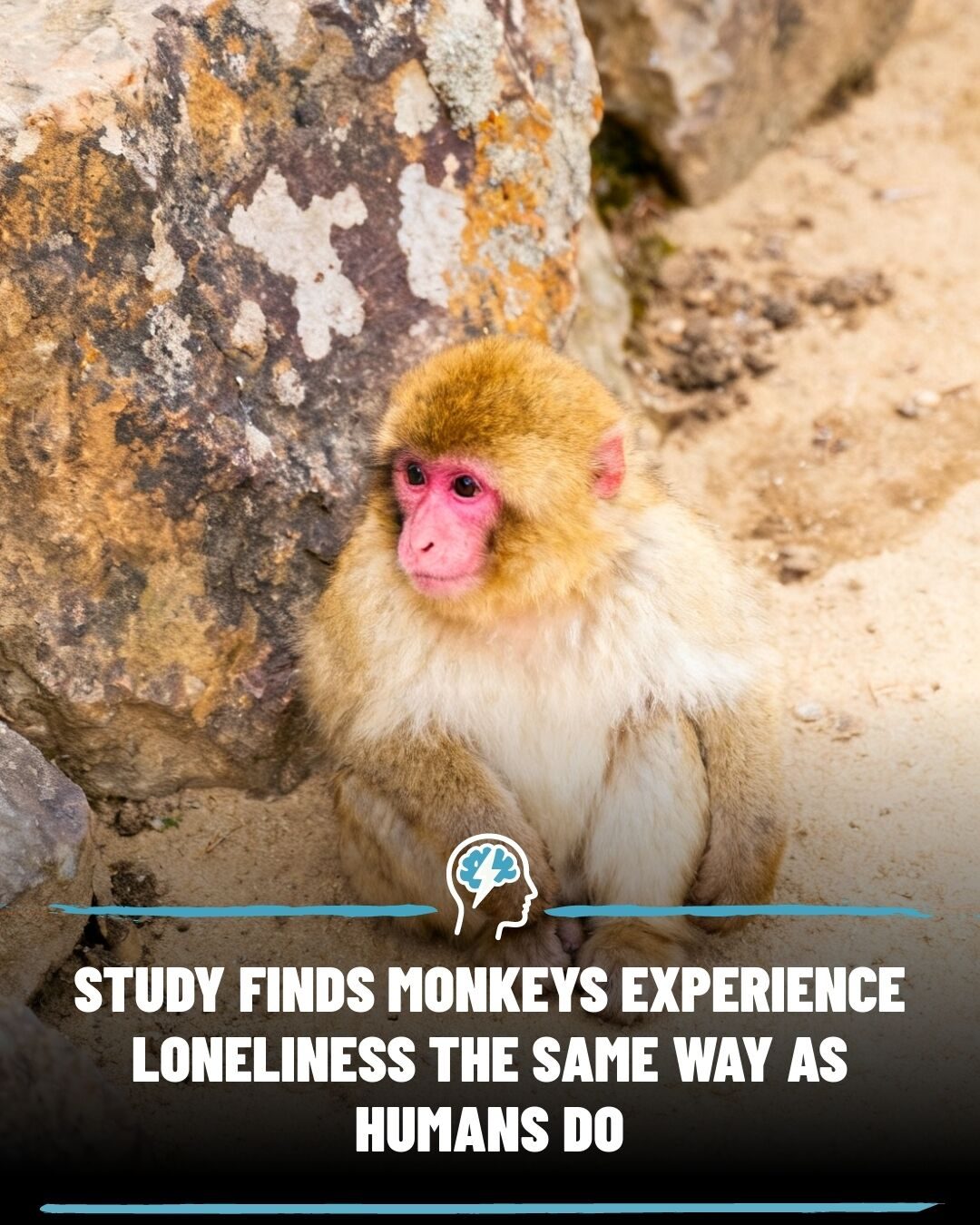
Loneliness and Monkeys
Loneliness isn't exclusive to humans; research suggests that monkeys may experience it too, and their bodies respond in remarkably similar ways to ours. This intriguing finding comes from studies conducted at the California National Primate Research Center, where scientists observed rhesus monkeys and discovered fascinating parallels between their responses to loneliness and those of humans.
Why This Matters
Understanding that loneliness isn't a uniquely human experience can provide valuable insights into our own behavior and biology. It highlights the fundamental need for social connection and how it impacts our physical and mental health. The parallels between human and monkey responses to loneliness suggest that this emotion has deep biological roots, influencing everything from stress hormones to immune function.
Main Discussion
The Study and Its Findings
Scientists at the California National Primate Research Center conducted extensive research on rhesus monkeys, focusing on those who struggled to connect socially within their groups. The study revealed that these monkeys showed significant changes in their immune and nervous systems, mirroring the responses observed in lonely humans.
One of the key findings was elevated activity in the sympathetic nervous system, which governs the body's "fight or flight" response. This heightened activity indicates that the monkeys were experiencing chronic stress, similar to what humans feel when dealing with prolonged loneliness. Additionally, the monkeys exhibited increased levels of norepinephrine, a hormone associated with stress, and changes in their immune cells, including reduced antiviral defenses.
The Nature of Loneliness
Perhaps the most striking aspect of the study is that the monkeys displaying signs of loneliness were not physically alone. They lived in social groups but still showed signs of loneliness. This suggests that loneliness is not merely about being surrounded by others; it's about feeling genuinely connected to them. The research supports the idea that loneliness reflects a gap between the social connection we desire and the connection we actually have.
Biological Roots of Loneliness
The parallel experiences of loneliness between monkeys and humans indicate that the need for meaningful social connection is wired into our biology at a fundamental level. This deep-rooted need influences various aspects of our health, from stress hormones to immune function. Understanding these biological roots can help us appreciate the significance of social connection and its impact on our well-being.
Practical Tips
While the study focuses on monkeys, the insights can be applied to humans as well. Here are some practical tips based on the findings:
Foster Meaningful Connections
Quantity is not as important as quality when it comes to social connections. Focusing on building a few meaningful relationships can be more beneficial than having many superficial ones. Take the time to nurture your close relationships and ensure they feel genuine and fulfilling.
Recognize the Signs of Loneliness
Even if you are surrounded by people, you can still feel lonely. Pay attention to the signs of loneliness in yourself and others. These can include feelings of isolation, increased stress, and changes in immune function.
Seek Support
If you or someone you know is experiencing loneliness, it's important to seek support. This could mean reaching out to friends and family, joining social groups, or even seeking professional help. Recognizing the need for connection and taking steps to address it can significantly improve overall well-being.
Important Takeaways
The study on rhesus monkeys provides valuable insights into the nature of loneliness and its impact on both physical and mental health. Some of the key takeaways include:
- Loneliness is not a uniquely human experience; it affects other primates as well.
- The experience of loneliness reflects a gap between desired and actual social connection.
- Social connection has deep biological roots, influencing everything from stress hormones to immune function.
- The quality of social connections matters more than the quantity.
- Recognizing and addressing loneliness can improve overall well-being.
Conclusion
The research on rhesus monkeys at the California National Primate Research Center sheds light on the profound impact of loneliness on our biology. By understanding that loneliness is not just an emotional state but a physical response, we can better appreciate the importance of meaningful social connections. Whether you are naturally social or prefer smaller circles, what matters is that your connections feel genuine and fulfilling. Quality over quantity is what our biology responds to, and fostering these meaningful connections can significantly enhance our overall well-being.
Watch the Reel
Questions readers ask
Can monkeys feel lonely even when they are in a group?
Yes, monkeys can experience loneliness even when surrounded by others. This is because loneliness is not merely about physical isolation, but also about the quality of social connections. A monkey can feel lonely if it doesn't form strong bonds with others in the group.
How do monkeys respond to loneliness physically?
Monkeys experiencing loneliness show increased stress levels and alterations in immune function, much like humans. These physical responses highlight the profound impact of social isolation on their well-being.
How do scientists study loneliness in monkeys?
Researchers at the California National Primate Research Center observe monkeys in controlled environments to understand how they respond to different social stimuli. By monitoring their behavior and physiological changes, scientists gain insights into the emotional lives of monkeys.
What can understanding monkey loneliness tell us about human emotions?
The parallels between monkey and human responses to loneliness suggest that this emotion is deeply rooted in biology. This understanding can shed light on our own emotional processes and the importance of social bonds for our overall health.
What are the signs of loneliness in monkeys?
Signs of loneliness in monkeys include increased stress levels, changes in immune function, and behavioral changes such as reduced social interaction or increased self-grooming. These signs mirror the effects of loneliness in humans.
Why is it important to study loneliness in monkeys?
Studying loneliness in monkeys helps us comprehend the universal aspects of this emotion and its impact on both physical and mental health. This research can also inform strategies to improve the well-being of monkeys in captivity and provide broader insights into human health.
Can monkeys experience chronic loneliness like humans do?
Yes, monkeys can experience prolonged states of loneliness, similar to chronic loneliness in humans. This is often observed in captive settings where social structures may be disrupted or inadequate, leading to sustained periods of social isolation.
Related deep dives
Similar reads based on topic and creator.



Recent articles
Fresh deep dives from the latest Reels we unpacked.




Comments
Be the first to comment.