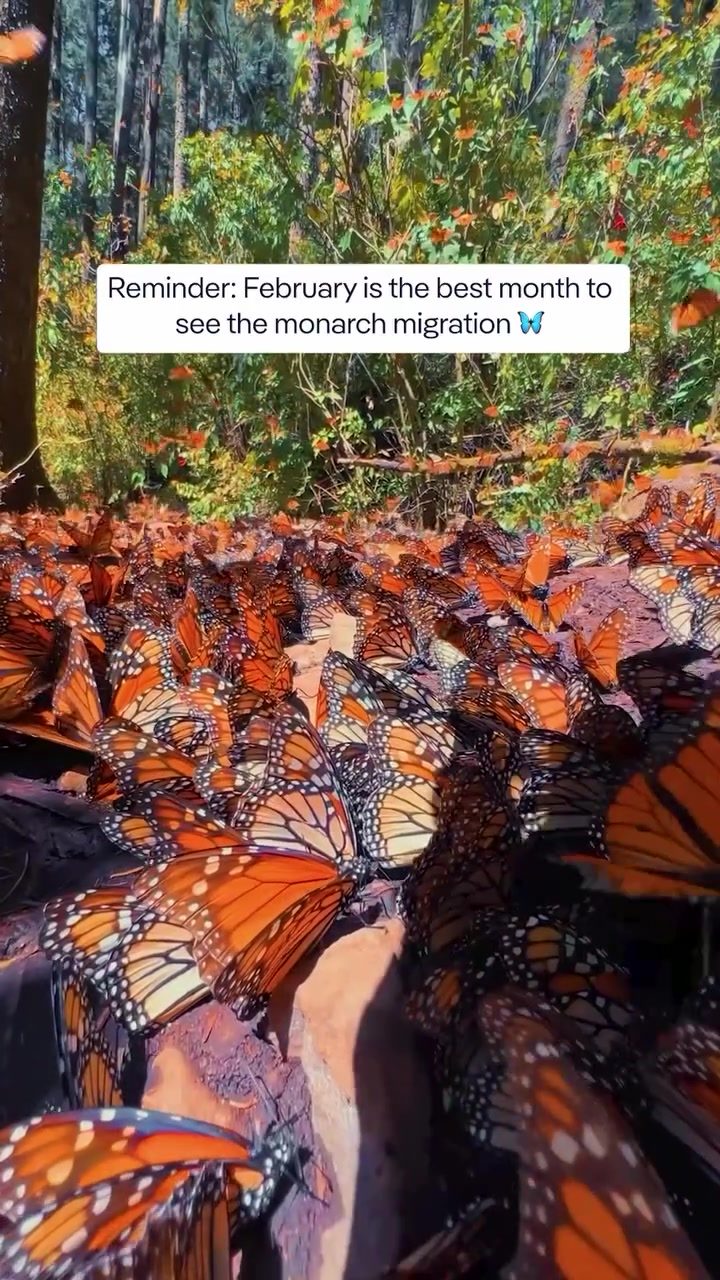
Monarch Butterfly Migration in Mexico
February is the ideal time to witness one of nature's most astonishing spectacles: the Monarch Butterfly migration in Mexico. This journey isn't just a visual treat; it's a critical natural phenomenon that draws visitors from around the globe.
Context / Why This Matters
The Monarch Butterfly Biosphere Reserve, a UNESCO World Heritage site, protects over 560 square kilometers of forest, providing a sanctuary for millions of Monarch butterflies. Their annual migration to Mexico is nothing short of extraordinary. Understanding this phenomenon helps us appreciate the intricacies of nature and the importance of conservation efforts.
Main Discussion
The Monarch Migration Journey
The Monarch Butterfly migration is a remarkable feat of endurance and navigation. Each fall, millions of Monarchs embark on a journey from Canada and the United States to their wintering grounds in Mexico. This migration spans up to 3,000 miles, making it one of the longest insect migrations on Earth.
The Role of February
February is the sweet spot for witnessing the Monarchs at their peak. During this month, the butterflies become more active, fluttering around in their overwintering sanctuaries, creating breathtaking displays. The mild temperatures make the butterflies more visible and energetic, providing a surreal, dreamlike atmosphere.
The Sanctuary
The Monarch Butterfly Biosphere Reserve is a vital sanctuary for these creatures. The Protected forest provides a safe haven for the butterflies, allowing them to rest and reproduce before their journey back north. The reserve's vast expanse ensures that the butterflies have ample space to cluster, often covering entire trees in awe-inspiring clusters.
Conservation Efforts
The Mexican government plays a crucial role in conserving the Monarch Butterflies and their habitat. Through protective measures, they ensure the safety of these incredible creatures while allowing visitors to witness this rare phenomenon. The conservation efforts are a testament to the commitment to preserving natural wonders for future generations.
How to Experience the Migration
For those planning to witness the Monarch migration, February is the best time to visit. The ideal temperatures and increased activity of the butterflies make for an unforgettable experience. Visitors can explore the Monarch Butterfly Biosphere Reserve, where they can see the butterflies in their natural habitat, clustered on trees and flying through the air.
Practical Tips
Visiting the Monarch Butterfly Biosphere Reserve requires some planning:
- Best Time: Plan your trip for February to see the butterflies at their most active.
- Guided Tours: Consider joining guided tours to learn more about the butterflies and their habitats.
- Comfortable Clothing: Dress in layers, as temperatures can vary.
- Photography: Bring a good camera to capture the breathtaking displays.
- Respect Nature: Follow conservation guidelines to ensure the safety of the butterflies and their habitat.
Important Takeaways
- Timing Matters: February is the peak month to see the butterflies at their most active.
- Conservation: The Mexican government's efforts ensure the protection of the Monarchs and their habitat.
- UNESCO Site: The Monarch Butterfly Biosphere Reserve is a UNESCO World Heritage site, highlighting its global significance.
- Natural Wonder: Witnessing the migration is a surreal, dreamlike experience that showcases nature's beauty.
Conclusion
Witnessing the Monarch Butterfly migration in Mexico is an experience that stays with you long after you've left. From the awe-inspiring clusters of butterflies to the serene beauty of the overwintering sanctuaries, every aspect of this journey is a testament to nature's grandeur. Whether you're a nature enthusiast, photographer, or simply seeking a unique experience, February in Mexico offers an unforgettable encounter with one of the world's most extraordinary migrations.
Watch the Reel
Questions readers ask
What is the Monarch Butterfly Migration and why is it significant?
The Monarch Butterfly Migration refers to the annual journey that Monarch Butterflies undertake, traveling thousands of miles from Canada and the United States to Mexico. It's significant because it showcases the resilience and navigational prowess of these creatures, making it a remarkable natural phenomenon to observe and appreciate.
Why is February the best time to see the Monarch Butterflies in Mexico?
February is the ideal time because it coincides with the peak of the Monarch Butterfly migration to Mexico. During this month, millions of Monarch Butterflies congregate in the forests, providing a stunning visual spectacle and making it easier for visitors to observe their clustered colonies.
What is the Monarch Butterfly Biosphere Reserve and where is it located?
The Monarch Butterfly Biosphere Reserve is a UNESCO World Heritage site located in Mexico, specifically in the Transvolcanic Belt, west of Mexico City. It covers over 56,000 hectares and serves as a sanctuary for millions of Monarch Butterflies during their migration to Mexico.
What are the best destinations in Mexico to see the Monarch Butterflies?
Some of the top destinations to see the Monarch Butterflies in Mexico include the Monarch Butterfly Biosphere Reserve in Michoacán and the El Rosario and Sierra Chincua sanctuaries. These locations offer excellent opportunities to witness the Monarch Butterfly colonies up close.
What makes the Monarch Butterfly migration a crucial phenomenon to observe?
Observing the Monarch Butterfly migration provides insight into the complexities of nature and the importance of preserving natural habitats. It highlights the need for conservation efforts to protect these butterflies and their journey, which is threatened by factors such as deforestation and climate change.
What can visitors expect when they visit the Monarch Butterfly colonies in Mexico?
Visitors can expect to see millions of Monarch Butterflies clustered together in dense colonies, often covering entire trees. The sight is visually breathtaking, and guided tours are available to help visitors learn more about the migration and the conservation efforts in place to protect these butterflies.
How does the Monarch migration contribute to the local economy in Mexico?
The Monarch migration brings in thousands of visitors each year, contributing to the local economy through tourism. Local communities benefit from jobs created in the tourism sector, including guided tours, accommodations, and food services, making it an important source of income.
Related deep dives
Similar reads based on topic and creator.




Recent articles
Fresh deep dives from the latest Reels we unpacked.




Comments
Be the first to comment.