The Enigmatic Monarch Butterfly Convergence
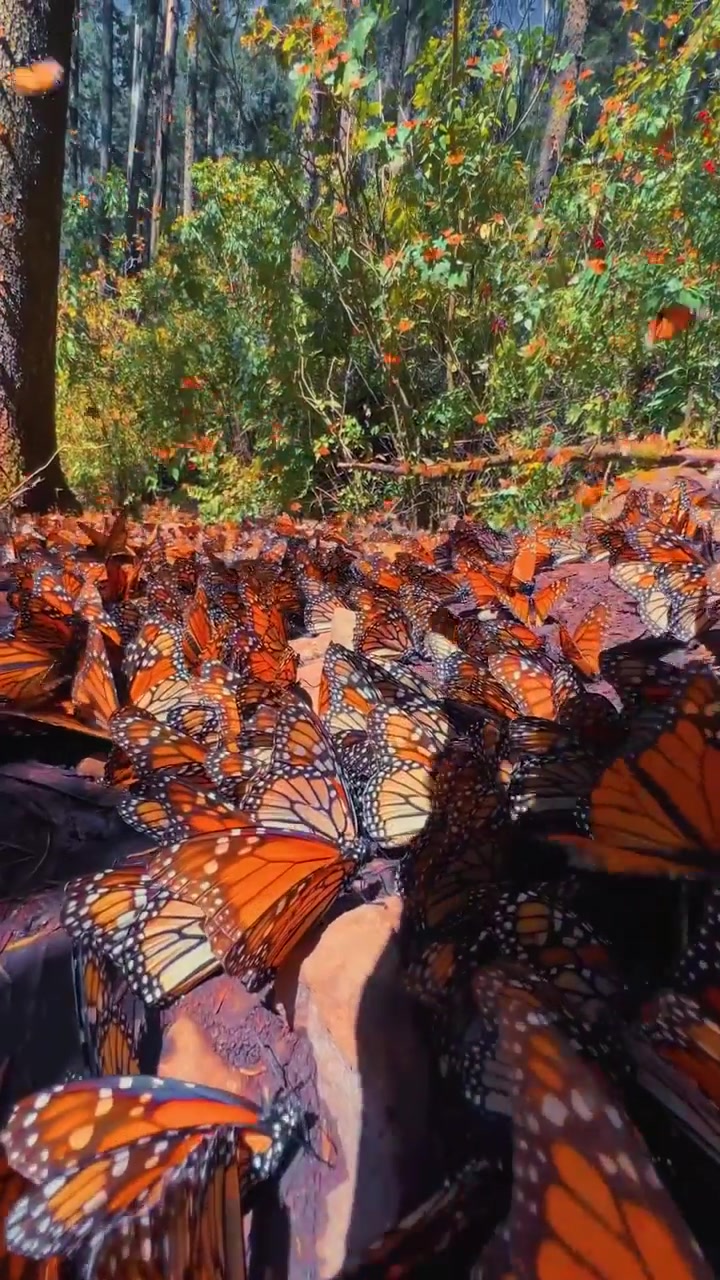
Every fall, a spectacular natural phenomenon unfolds in the forests of North American woodlands. As much as the monarch caterpillars are known for their metamorphosis, the insect's adulthood is equally as distinct. The North American monarch butterfly embarks on an incredible journey, traversing thousands of miles to congregate in dense clusters, blanketing trees and covering forest floors in a stunning orange tapestry. These gatherings are not just a visual marvel; they play a crucial role in the monarch’s lifecycle and have garnered significant scientific interest. These semi-deliberate aggregations are a pivotal part of the monarch butterfly migration of a year.
The Annual Monarch Migration
The monarch butterfly migration is a remarkable journey that spans multiple generations and covers thousands of miles. During late summer and autumn, monarch butterflies begin their southward migration from Canada and the northern United States to overwintering sites in Mexico, California and other coastal regions. The migration is intricate and relies on environmental cues, such as temperature and day length, to trigger the journey. The monarch butterfly migration is the longest known insect migratory path, an annual odyssey that few species undertake. These butterflies navigate using a combination of air currents and an innate sense of direction, guided by the Earth’s magnetic field and the position of the sun. The journey is so precise that monarchs returning to their overwintering sites often come back to the same trees where they were born. The sight of tens of thousands of monarch butterflies clustering together in forests is a striking visual testimony to their resilience and survival strategies. The sheer number of butterflies and their synchronized behavior create a breathtaking spectacle that attracts both scientists and nature enthusiasts alike.
Intense Colour at Every Angle
Natural Spiderwebs
To a human, this swirling mass of colour is stunning. The butterflies entwine their legs to stay clustered together, forming a tight clumping of tributaries that appear as vertical columns across trees and at the base of shrubs. The massive swarm of butterflies cover the ground and cling to trees, creating a stunning visual display. The clusters of monarchs are not without purpose, this social connection is a survival mechanism in the wild. The flying insect transforms its natural habitat from forest floor to tree canopy, as it clusters together for warmth, protection, and to conserve energy during the colder months. These congregations are not stationary; the butterflies continually adjust their positions, ensuring that each individual has access to sunlight and avoids overheating. The dense clusters also serve as a defense mechanism against predators. By congregating in large numbers, monarch butterflies create a formidable barrier that makes it difficult for predators to single out individual butterflies. The sheer volume of monarchs in a swarm can act as a deterrent, confusing predators and reducing the likelihood of successful attacks. The powerful wings of the flying insects can be seen actively moving, maintaining the cluster as a single entity and protecting each other from wind and the season. Descendants of the original tiny caterpillar clips to leaves and bark on trees, forming an intricate and protective latticework. This creates a visually striking pattern as the monarch butterflies form a tight clumping of swirling tributaries down trees and on the forest base.
The Symbiotic Relationship
The monarch congregations form a symbiotic relationship with the forest, as they contribute to the ecosystem by pollinating plants and providing a food source for other animals. The butterflies themselves, feed on nectar from flowers and other plants, which then help pollinate and regenerate the plant life in the area. As monarch butterflies overwinter, they sometimes need to maintain their hovering flight, even placing their legs directly on tree bark. The mass of butterflies can be seen flying in unison, creating a dynamic and mesmerizing display of motion. This interaction between the monarchs and their environment highlights the interconnectedness of nature and the delicate balance that exists within ecosystems.
Migration Patterns and Routes
Monarch butterflies exhibit diverse migratory routes during their annual journey. Some populations travel from the eastern United States and Canada to overwintering sites in Mexico, while others from the western United States and Canada migrate to coastal areas in California and the Pacific Northwest. These routes are influenced by geographical features, food sources and the availability of roosting sites. The monarch migration is a multigenerational journey, with each generation of butterflies playing a crucial role in the overall migration. The first generation of butterflies is born in the overwintering sites and migrates north to lay eggs and raise the next generation. This process continues as each subsequent generation migrates to its next location. However, it is the final generation of the year that makes the long journey back to the overwintering sites, completing the cycle.
Visual Display of Monarch Butterflies Convergence
When winter arrives, the monarch butterflies congregate in dense clusters, forming a visually striking spectacle that attracts both scientists and nature enthusiasts. The clusters are so dense that they can cover entire trees and create a stunning tapestry of orange and black. The monarch butterflies appear to be clinging together in a dense cluster, forming a tight clumping of tributaries, the slender limbs of the great conifers of the forest are nearly obscured. Some monarchs are observed flying around in unison, creating a mesmerizing display of synchronised movement. The monarch butterflies are observed actively moving around, creating a dynamic and mesmerizing display of motion. The monarch butterflies are seen covering the ground and clinging to trees, creating a stunning visual display. The monarch sites are a visual feast for humans, as it depicts a natural phenomenon that reflects the monarch butterfly’s annual migration. The monarch butterflies are entangled in a vast network of trees, creating a stunning visual display of orange and black.
Visitors to the Monarch Convergence
Preparing for the trip
Monarch butterfly sanctuaries can be found in several locations, including Mexico, California, and other parts of North America. To fully experience the beauty of the monarch butterflies during their convergence, it is essential to plan a trip to one of these sanctuaries. Mexico's Monarch Butterfly Biosphere Reserve is a UNESCO World Heritage Site and is home to millions of monarch butterflies. When planning a visit, consider the optimal viewing times, as monarch butterflies are more active during certain periods. In Mexico, the best time to see the clusters is from November to March, during the overwintering period. This is when the monarchs congregate in dense clusters, forming a visually striking spectacle. It is best to visit in the morning, as the monarch butterflies are more active and less likely to be disturbed.
What gear to bring
Proper equipment is also essential for a successful visit. A good camera or binoculars can help capture the beauty of the monarch butterflies and provide a closer look at their fascinating behavior. Wear comfortable clothing and sturdy footwear, as the terrain can be uneven and hilly in some areas. A hat and sunscreen are also recommended to protect against the sun and keep you comfortable during your visit.
Clothing and gear
When visiting a monarch butterfly sanctuary, it is essential to dress appropriately and bring the right gear to ensure a comfortable and enjoyable experience. Opt for breathable, lightweight clothing that allows for easy movement, as you may be exploring the sanctuary for extended periods. Long sleeves, pants, and a hat can provide protection from the sun and insects. Bring a backpack with essentials such as water, snacks, sunscreen, and insect repellent. A camera or binoculars can help you capture stunning images and observe the monarch butterflies up close.
The Conservation of the Monarch Butterfly
The monarch butterfly migration is a breathtaking natural phenomenon, but it is now under threat. Factors such as habitat loss, climate change, and pesticide use have contributed to a significant decline in monarch populations. Conservation efforts are underway to protect these magnificent creatures and their migratory routes. By visiting monarch sanctuaries and supporting conservation initiatives, individuals can help preserve this natural wonder for future generations.
Watch the Reel
Questions readers ask
What triggers the monarch butterflies to migrate and congregate in these massive swarms?
The migration is triggered by environmental cues such as temperature and day length. As the days grow shorter and cooler, monarch butterflies begin their journey southward, navigating using a combination of air currents, the Earth’s magnetic field, and the position of the sun.
How do monarch butterflies find their way back to the exact same trees each year?
Monarch butterflies use a combination of environmental cues and an innate sense of direction. They rely on the Earth’s magnetic field and the position of the sun to navigate, allowing them to return to the same overwintering sites year after year.
Why do monarch butterflies cluster together in such large numbers?
Clustering together serves multiple purposes for monarch butterflies. It helps them conserve energy and stay warm during the colder months, provides protection against predators by making it difficult for them to single out individuals, and ensures that each butterfly has access to sunlight without overheating.
Are these swarms stationary, or do the butterflies move around within the cluster?
The clusters are not stationary; the butterflies continually adjust their positions to ensure that each individual has access to sunlight and avoids overheating. This movement helps maintain the overall health and energy levels of the swarm.
How do the monarch butterflies' swarms act as a defense mechanism against predators?
By congregating in large numbers, monarch butterflies create a formidable barrier that makes it difficult for predators to single out individual butterflies. The sheer volume of monarchs in a swarm can act as a deterrent, confusing predators and reducing the likelihood of successful attacks.
Related deep dives
Similar reads based on topic and creator.




Recent articles
Fresh deep dives from the latest Reels we unpacked.



Comments
Be the first to comment.