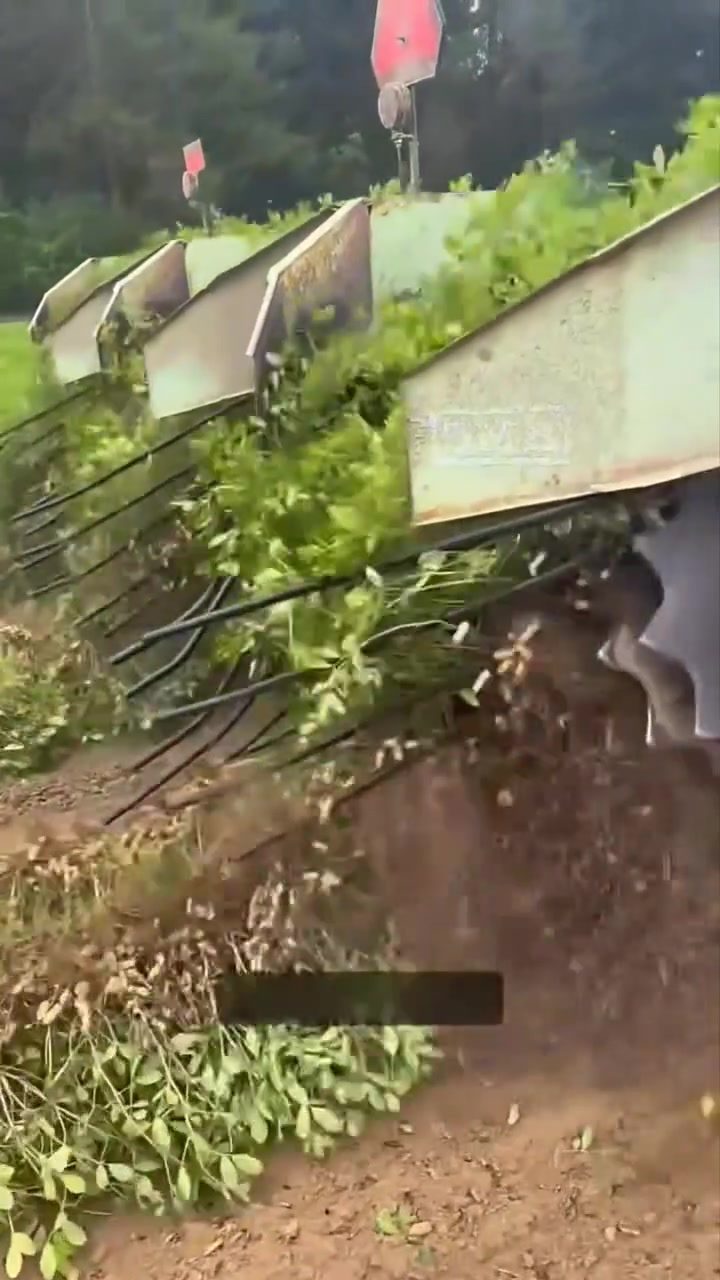
Large-Scale Peanut Harvesting
Peanut farming has evolved significantly over the years, transitioning from manual labor to advanced agricultural technology. Modern harvesting methods utilize specialized machinery to significantly reduce the time and labor required to bring in a crop. This process is not only more efficient but also more sustainable, making it a cornerstone of contemporary farming practices.
Why This Matters
The shift from manual to mechanized harvesting has revolutionized the agricultural industry. For farmers, this means increased productivity, reduced labor costs, and more time to focus on other aspects of their business. For consumers, it translates to a more stable and affordable supply of peanuts. Understanding the intricacies of modern peanut harvesting provides insight into the broader trends shaping agriculture today.
The Harvesting Process
The Role of the Peanut Harvester
At the heart of modern peanut harvesting is the agricultural harvester, a sophisticated machine designed to dig up entire peanut plants efficiently. This process begins with the giant harvester moving through the field, digging up entire plants and shaking the soil back onto the ground. This method is far more efficient than manual harvesting, which would involve pulling out peanuts one by one.
Drying and Separation
Once the plants are dug up, they are flipped over and laid out in neat rows. This step is crucial as it allows the plants to dry naturally in the sun, reducing their moisture content. After drying, a threshing machine takes over. This machine pulls in the dried plants, separates the peanuts from the leaves and vines, and shreds the leftover plant material. The shredded material is left on the field as natural fertilizer, enriching the soil for future crops.
Collection and Storage
The separated peanuts are then collected by conveyor belts and stored in large hoppers. From there, they are loaded onto trucks for transportation to processing facilities. This entire process, from harvesting to loading, is seamless and highly efficient, thanks to the integration of various machines working in tandem.
The Efficiency of Modern Agricultural Technology
The transformation of peanut harvesting from a labor-intensive process to a highly mechanized one is a testament to the advancements in agricultural technology. What once required dozens of workers and several days can now be completed by just a few machines in a fraction of the time. This incredible efficiency not only speeds up the harvesting process but also ensures that the peanuts are handled with care, reducing the risk of damage and contamination.
Practical Tips for Peanut Farmers
Invest in Advanced Technology
One of the most practical tips for peanut farmers is to invest in modern agricultural technology. This includes harvester machines and threshing equipment that can significantly reduce the time and labor required for harvesting. While the initial investment can be high, the long-term benefits in terms of increased productivity and reduced labor costs make it a worthwhile investment.
Optimize Harvesting Techniques
Farmers should also focus on optimizing their harvesting techniques. This involves ensuring that the plants are laid out in neat rows and allowed to dry naturally in the sun. Proper drying is essential for maintaining the quality of the peanuts and ensuring that they are ready for threshing. Additionally, the use of natural fertilizer from the shredded plant material can help improve soil health and crop yield.
Plan for Seasonal Variations
Peanut harvesting is highly dependent on seasonal variations, and farmers must plan their operations accordingly. This includes monitoring weather conditions and adjusting harvesting schedules to ensure that the peanuts are harvested at the optimal time. By staying informed about weather patterns and using advanced forecasting tools, farmers can maximize their harvest and minimize losses.
Important Takeaways
Increased Productivity
Modern peanut harvesting methods have significantly increased productivity. The use of advanced machinery allows farmers to harvest more peanuts in less time, increasing their overall yield.
Reduced Labor Costs
Mechanized harvesting has reduced the need for manual labor, leading to significant cost savings for farmers. This allows them to invest more in other aspects of their business, such as technology and innovation.
Sustainable Practices
The use of natural fertilizer from the shredded plant material and the efficient use of resources make modern peanut harvesting a sustainable practice. This not only benefits the environment but also ensures the long-term viability of peanut farming.
Potential for Innovation
The agricultural industry is constantly evolving, and there is always room for innovation. Farmers who stay abreast of the latest trends and technologies are better equipped to adapt to changing conditions and maintain their competitiveness.
Conclusion
Modern peanut harvesting is a testament to the advancements in agricultural technology. The use of specialized machinery, efficient harvesting techniques, and sustainable practices have transformed the industry, making it more productive, cost-effective, and environmentally friendly. For farmers looking to stay competitive and sustainable, investing in modern technology and optimizing harvesting techniques are essential steps. By embracing these advancements, peanut farming can continue to thrive, ensuring a steady supply of this beloved crop for years to come.
Watch the Reel
Questions readers ask
What are the primary benefits of using modern peanut harvesting technology?
Modern peanut harvesting technology offers several benefits, including significantly reduced labor requirements, increased crop yields, and a more sustainable harvesting process. This technology allows farmers to harvest peanuts more efficiently, leading to cost savings and a more reliable supply for consumers.
How does mechanized peanut harvesting improve sustainability?
Mechanized harvesting reduces the need for manual labor, which can lower the environmental impact of farming. It also allows for more precise and efficient harvesting, minimizing waste and reducing the need for additional resources, like water and fuel.
What types of machinery are commonly used in modern peanut harvesting?
Modern peanut harvesting often involves the use of specialized machinery such as peanut diggers, harvesters, and inverters. These machines are designed to efficiently extract peanuts from the ground, invert them for drying, and then collect them, streamlining the entire process.
How does large-scale peanut harvesting differ from traditional methods?
Large-scale peanut harvesting differs from traditional methods in its use of advanced machinery to automate and expedite the harvesting process. This shift allows for the efficient management of larger fields, increased productivity, and reduced labor costs, making it a more viable option for commercial farming operations.
What are the key advantages of using peanut harvester machines?
Peanut harvester machines offer several advantages, including faster harvesting times, reduced physical labor, and the ability to handle large-scale operations. These machines are designed to be efficient and precise, ensuring that a higher percentage of the crop is successfully harvested.
How does modern peanut farming contribute to a stable peanut supply for consumers?
Modern peanut farming, with its reliance on advanced technology, ensures that farmers can produce larger quantities of peanuts in a shorter time frame. This increased productivity and efficiency help maintain a consistent supply of peanuts, making them more readily available and affordable for consumers.
Related deep dives
Similar reads based on topic and creator.




Recent articles
Fresh deep dives from the latest Reels we unpacked.




Comments
Be the first to comment.