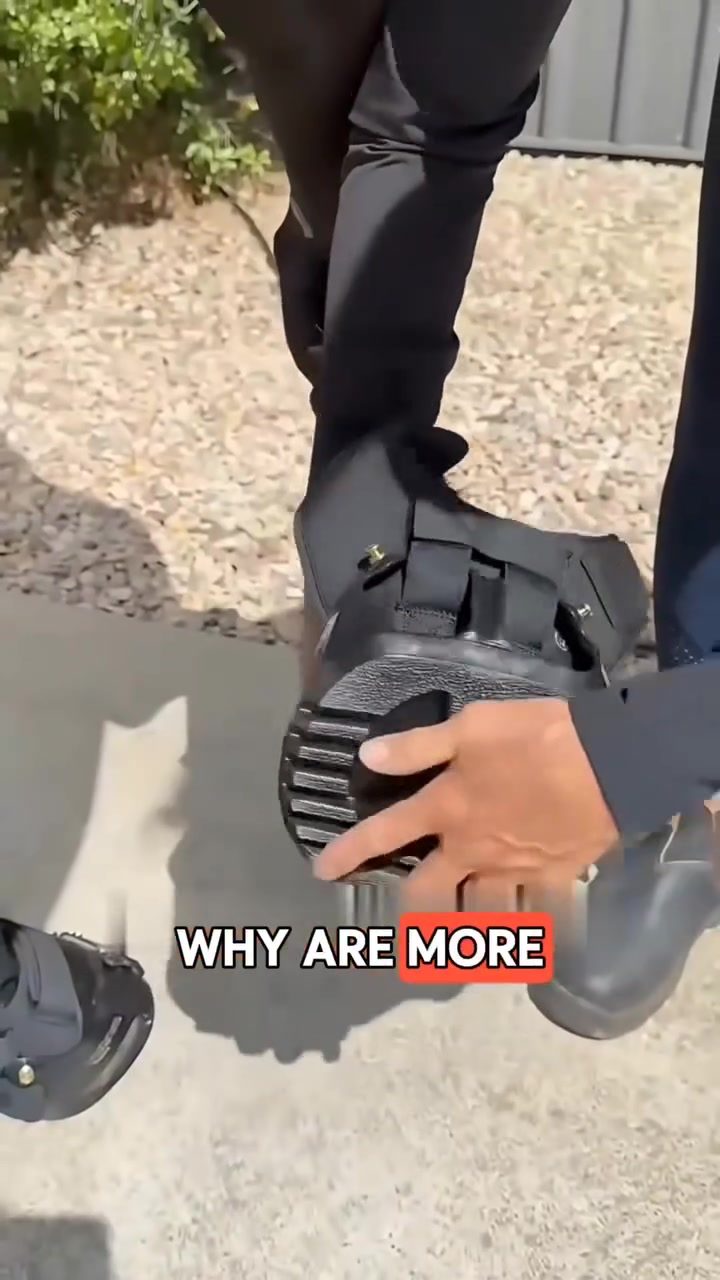
Why Modern Horse Owners Are Switching to Boots
Traditional horseshoes have long been the go-to for protecting a horse's hooves, but increasingly, horse owners are opting for boots. This shift isn't about horseshoes becoming outdated; rather, it's about recognizing the versatility and practicality of horse boots. Boots offer a range of benefits that make them a superior choice in certain situations.
Why the Shift Matters
Horseshoes have traditionally been the standard for hoof protection, but they come with notable limitations. Once nailed on, horseshoes can be challenging to remove, and on certain surfaces like asphalt, cobblestones, or rocky trails, the metal can become slippery, increasing the risk of falls. Additionally, the permanent nature of horseshoes means that they might not be the best choice for every situation.
The Advantages of Horse Boots
Ease of Use
One of the primary reasons horse owners are making the switch is the ease of use. Horse boots can be quickly put on and taken off as needed. This flexibility is particularly useful for horses that require temporary protection during specific activities, such as trail riding or training, as they allow the horse to move naturally without the constraints of metal shoes.
Secure Fit
Once secured, horse boots stay firmly in place, even during fast runs or rough terrain. The design ensures that the boots remain secure, providing the necessary protection without hindering the horse's movement. This secure fit is crucial for maintaining the horse's performance and safety, especially in challenging conditions.
Enhanced Grip and Comfort
The rubber soles of horse boots offer several advantages over metal horseshoes. They provide better grip, which is essential for maintaining traction on various surfaces. Additionally, the rubber soles absorb impact, making every step safer and more comfortable for the horse. This feature is particularly beneficial for horses that spend a lot of time on hard or uneven surfaces.
Versatility
Horse boots are designed to fit every situation. Whether a horse is walking through a snowy field, traversing rocky trails, or navigating forest paths, boots adapt to the environment, providing the necessary protection without compromising the horse's natural movement.
Practical Tips for Using Horse Boots
Choosing the Right Boots
When selecting horse boots, it's essential to consider the specific needs of your horse and the activities they will be engaged in. Boots designed for trail riding may differ from those intended for training or competition, so choose a pair that aligns with your horse's requirements.
Proper Application
Ensure that the boots are applied correctly to avoid any discomfort or injury. Boots should fit snugly but not too tightly, allowing for natural movement while providing the necessary protection. Take the time to familiarize yourself with the fastening mechanism to ensure a secure fit.
Maintenance and Care
Regularly inspect the boots for signs of wear and tear. Replace them as needed to maintain their effectiveness. Cleaning the boots after each use can help prolong their lifespan and ensure they remain in good condition for future use.
Monitoring Horse Comfort
Pay close attention to your horse's comfort and behavior while wearing boots. If you notice any signs of discomfort or unusual behavior, adjust the fit or consider switching to a different type of boot.
Important Takeaways
When considering the switch from horseshoes to boots, keep in mind the following key points:
- Flexibility: Boots can be easily put on and taken off, making them ideal for temporary protection.
- Security: Once secured, boots stay firmly in place, even during fast or rough movements.
- Grip and Comfort: Rubber soles provide better grip and absorb impact, enhancing the horse's comfort and safety.
- Versatility: Boots are suitable for a wide range of environments and activities, making them a practical choice for many horse owners.
Conclusion
The shift from traditional horseshoes to modern horse boots reflects a growing recognition of the benefits that boots offer. They provide the necessary protection while allowing horses to move naturally, making them a practical choice for various situations. By considering the ease of use, secure fit, enhanced grip, and versatility of horse boots, owners can make an informed decision that prioritizes their horse's comfort and safety.
Watch the Reel
Questions readers ask
What are the main advantages of horse boots over traditional horseshoes?
Horse boots offer several benefits, including easy application and removal, better grip on various surfaces, and increased comfort for the horse. They also provide targeted protection during specific activities, such as trail rides or training sessions, without the permanent attachment of metal shoes.
Can horse boots prevent hoof injuries?
Yes, horse boots can help prevent hoof injuries by providing a barrier against impacts and punctures. They are particularly useful on rough terrains like rocky trails or uneven ground, where traditional shoes might increase the risk of injury.
Are horse boots suitable for all types of activities?
Horse boots are highly versatile and can be used for a variety of activities, including trail riding and training sessions. However, they might not be the best choice for all activities, such as high-speed racing, where the constant stress on the hooves might require traditional shoes.
How do flexible horse boots improve a horse's performance?
Flexible horse boots allow for a more natural hoof movement, enhancing the horse's performance by promoting proper hoof function, and reducing the risk of injury. This flexibility also helps to reduce stress on the horse's tendons and ligaments, contributing to overall better hoof health.
Which horse boots are best for trail riding?
The best horse boots for trail riding are those designed with durability and protection in mind, such as boots with thick, shock-absorbing materials. Look for boots with a secure fit and grip-enhancing features, which can provide better traction on uneven surfaces and protect the hooves from sharp objects.
Can horse boots be used in conjunction with horseshoes?
While it's not common to use horse boots alongside horseshoes, some horse owners might use them for targeted protection during specific activities. Boots can be a good choice for certain terrains, while horseshoes might be better for long-term or continuous hoof protection. Always consult a professional before combining the two.
How do horse boots impact a horse's grip and comfort during training sessions?
Horse boots can significantly improve a horse's grip and comfort during training sessions. By providing better traction, boots reduce the risk of slipping, especially on synthetic or uneven surfaces. Additionally, they offer cushioning, which can make the horse feel more comfortable, leading to improved performance and reduced fatigue.
Related deep dives
Similar reads based on topic and creator.




Recent articles
Fresh deep dives from the latest Reels we unpacked.




Comments
Be the first to comment.