Resilient Trees: A Natural Phenomenon
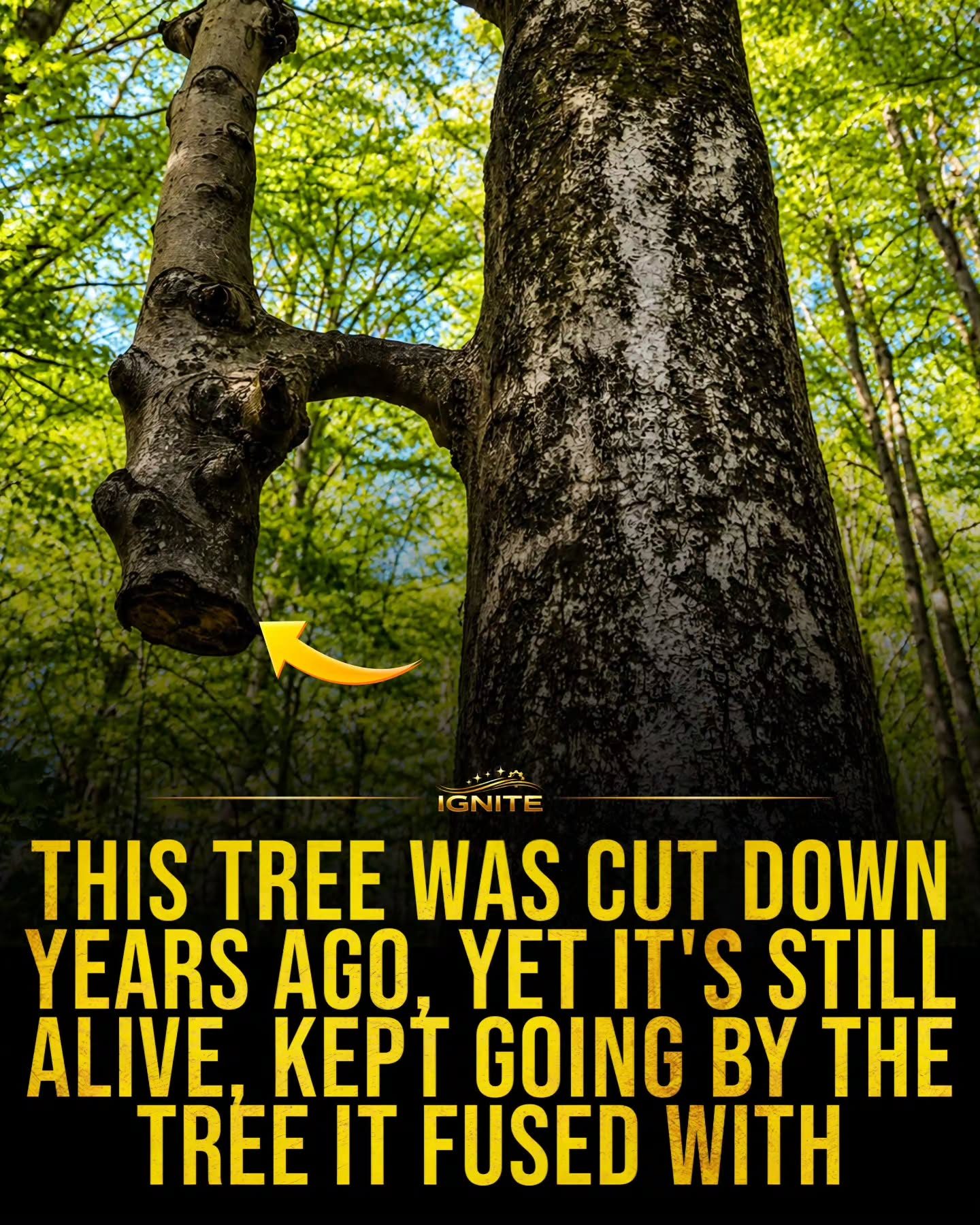
Trees that continue to thrive despite severe damage or adversity showcase an extraordinary natural phenomenon. A remarkable instance of this resilience is a tree that was cut down years ago and yet remains alive. Its survival is attributed to its fusion with another tree, creating a fascinating example of natural interconnectedness and resilience.
Why This Matters
Understanding the resilience of trees has significant implications for forest management, ecology, and our appreciation for nature's adaptive capabilities. Trees are fundamental to ecosystems, providing habitat, oxygen, and numerous other ecological benefits. When trees exhibit resilience, it can change how we approach conservation and reforestation efforts.
The Science Behind Tree Fusion
How Trees Fuse
Tree fusion, also known as inosculation, occurs when two trees grow together, forming a natural bond. This process can happen between trees of the same species or different species and can involve roots, trunks, or branches. When trees are cut down, they often rely on these fused connections to continue their growth.
In the case of the tree highlighted by IGNITE, the fusion likely involved a significant portion of the trunk or roots. The living parts of the tree, even if they are minimal, can benefit from the nutrients, water, and structural support provided by the fused tree. This symbiotic relationship ensures the survival of both trees, even when one has been severely damaged.
Biological and Ecological Significance
The biological and ecological significance of tree fusion cannot be overstated. This natural phenomenon demonstrates the interconnectedness of plant life and the resilience of ecosystems. Trees that fuse can share resources and support each other, making them more resilient to environmental stressors such as disease, drought, and physical damage. This symbiotic relationship helps maintain the health and diversity of forests, which are crucial for biodiversity and ecological stability.
Practical Tips for Tree Care and Conservation
Identifying and Protecting Fused Trees
Fused trees are not always easy to spot, but they are worth identifying and protecting. To ensure their continued survival:
- Look for unusual trunk formations: Fused trees often have trunks that appear to be merging or intertwined.
- Observe the health of the trees: Healthy fused trees will show signs of vigorous growth, such as strong canopy, healthy leaves, and active growth rings.
- Protect from human interference: Avoid cutting down trees that show signs of fusion, as they can be crucial for the ecosystem's resilience.
Encouraging Forest Regeneration
To encourage forest regeneration and support the resilience of trees:
- Promote natural regeneration: Allow forests to regenerate naturally, minimizing human intervention. This allows trees to form natural fusions and support each other.
- Plant diverse species: Plant a variety of tree species to increase the likelihood of fusion and create a more resilient forest ecosystem.
- Provide adequate space: Ensure that trees have enough space to grow and intermingle, which can facilitate natural fusion.
Important Takeaways
Trees exhibit remarkable resilience, as evidenced by the example of a tree that was cut down years ago but remains alive due to fusion with another tree. The fusion between trees is a natural phenomenon that highlights the interconnectedness and adaptability of ecosystems. Protecting these fused trees and promoting the conditions necessary for their growth are crucial for maintaining healthy and resilient forests.
Conclusion
The resilience of trees, particularly those that fuse with others, offers a profound lesson in the interconnectedness and adaptive capabilities of nature. By understanding and appreciating this phenomenon, we can better approach forest management, conservation, and our relationship with the natural world.
Watch the Reel
Questions readers ask
What is tree fusion and how does it allow a tree to survive after being cut down?
Tree fusion occurs when two or more trees grow together, forming a single, interconnected trunk. In some cases, if one of the fused trees is cut down, the other can still provide nutrients and support, allowing the severed tree to continue growing. This process showcases nature's ability to adapt and thrive even after significant damage.
How does understanding tree fusion benefit forest management and conservation efforts?
By studying how trees can survive and thrive through fusion, forest managers can develop more effective strategies for reforestation and conservation. This knowledge can help in creating resilient forests that are better equipped to handle environmental stressors, such as disease, pests, and climate change.
What are some signs that a tree has successfully fused with another?
Signs of successful tree fusion include the presence of multiple trunks that appear to be growing from a single base, shared bark, and the ability of one tree to support another even if it has been partially cut down. The fusion may also exhibit a seamless transition between the two trunks, indicating a deep interconnectedness.
Can tree fusion involve more than two trees?
Yes, tree fusion can involve more than two trees, forming a network of interconnected trunks. This phenomenon is often referred to as 'tree cloning' or 'tree grafting' in natural settings. These multiple tree fusions can create larger, more robust structures that are better able to withstand environmental challenges and provide extensive habitat for wildlife.
What are the implications of tree fusion for reforestation efforts?
Tree fusion suggests that planting trees in close proximity to each other can enhance their resilience. By encouraging natural fusion, reforestation efforts can lead to more interconnected and robust forests. This approach can improve the survival rates of newly planted trees and create a more sustainable ecosystem over time.
Are there any specific techniques for encouraging tree fusion in forest management?
While tree fusion typically occurs naturally, forest managers can encourage the process by planting saplings close together and in patterns that promote growth towards each other. Ensuring that trees are of compatible species and have similar growth rates can also enhance the likelihood of successful fusion. Regular monitoring to assess the health and interconnectedness of the trees is also important.
What role does tree fusion play in nature conservation techniques?
Tree fusion can play a crucial role in nature conservation by promoting the survival and regeneration of trees. By understanding and leveraging this phenomenon, conservationists can develop strategies that maintain and enhance forest health. This includes creating conditions that support the natural fusion of trees, thereby fostering more resilient and interconnected ecosystems.
Related deep dives
Similar reads based on topic and creator.




Recent articles
Fresh deep dives from the latest Reels we unpacked.




Comments
Be the first to comment.