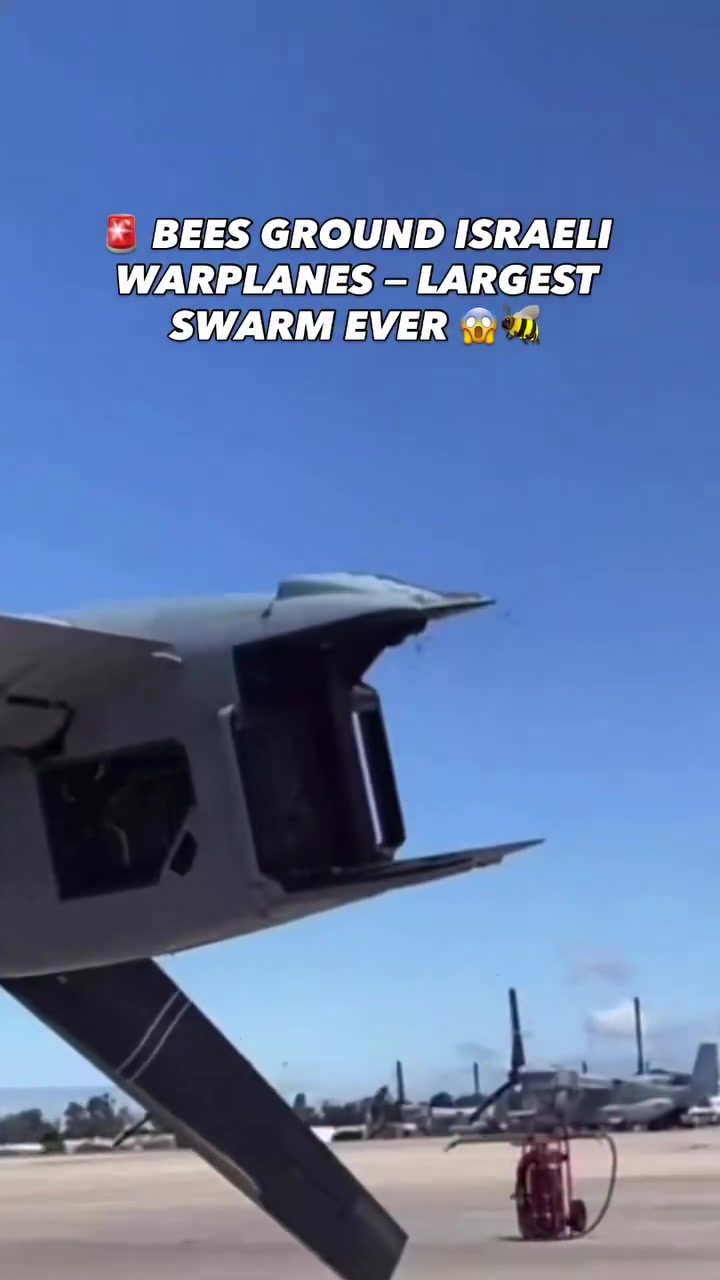
Bee Swarm Grounds Israeli Military Aircraft
In a bizarre and unprecedented event, a massive swarm of bees has temporarily grounded an Israeli military aircraft fleet. This extraordinary occurrence, documented in 2026, serves as a stark reminder of nature's unpredictable power and its ability to disrupt even the most advanced technological systems.
Context / Why this matters
Military aircraft are designed to be robust and resilient, capable of operating under various conditions. However, this incident underscores the vulnerability of even the most sophisticated machinery to natural forces. Understanding the implications of such events is crucial for military planning and preparedness, as well as for broader environmental considerations.
The Swarm
Scale and Impact of the Swarm
The swarm was documented as the largest ever recorded, causing chaos at military bases across Israel. Fighter jets and transport planes were left stranded on the tarmac, rendering them completely unable to fly. The sheer size and density of the swarm paralyzed operations, grounding pilots and disabling billion-dollar war machines.
Environmental and Operational Challenges
The unexpected invasion of bees posed significant challenges for military operations. The swarm's ability to disrupt flights highlights the need for contingency plans that account for unusual natural events. Military bases must be prepared to handle unexpected environmental factors that could impact their readiness and operational capabilities.
Nature vs. Technology
This event exemplifies the ongoing interplay between nature and technology. Despite technological advancements, nature can still exert considerable influence, as seen in this instance. The swarm's impact on military aircraft illustrates the limitations of even the most advanced systems when faced with natural phenomena. This unexpected interference brings to light the importance of environmental awareness and how natural events can impact sectors that rely heavily on technology.
Practical Tips
Contingency Planning
Military bases should develop contingency plans that address a variety of natural and environmental challenges. This includes having protocols for dealing with large swarms of insects, severe weather conditions, and other natural phenomena. These plans should focus on minimizing operational disruptions and ensuring the safety of personnel and equipment.
Environmental Monitoring
Incorporating environmental monitoring systems can help military bases detect and respond to natural events more effectively. Real-time data on weather patterns, insect activity, and other environmental factors can provide early warnings, allowing bases to take preemptive measures.
Training and Preparedness
Regular training exercises should include scenarios where natural events disrupt operations. This prepares personnel to handle unexpected situations and ensures that they are equipped with the knowledge and skills needed to respond effectively. Simulations and drills can help identify potential vulnerabilities and improve overall preparedness.
Cooperation with Environmental Agencies
Collaborating with environmental agencies and experts can provide valuable insights and support in managing natural events. Sharing data and resources can help in developing more comprehensive and effective strategies for dealing with environmental disruptions.
Technological Adaptations
Innovative solutions, such as drone surveillance and advanced sensors, can be employed to monitor and manage insect swarms. These technologies can help in tracking the movements of swarms, predicting their behavior, and implementing measures to mitigate their impact on military operations.
Public and Environmental Awareness
Raising awareness about the potential impact of natural events on military and civilian operations can foster a culture of environmental mindfulness. This includes educating personnel on the importance of environmental conservation and the potential risks posed by natural phenomena.
Important Takeaways
Natural Forces can Disrupt Advanced Technology
This event underscores the vulnerability of even the most advanced military aircraft to natural forces. Despite all technological advancements, the powerful and unpredictable forces of nature remain a significant factor.
The Need for Comprehensive Contingency Plans
Military bases must develop comprehensive contingency plans that address a variety of natural and environmental challenges. These plans should focus on minimizing operational disruptions and ensuring the safety of personnel and equipment.
Importance of Environmental Monitoring
Incorporating environmental monitoring systems can help military bases detect and respond to natural events more effectively. Real-time data on weather patterns, insect activity, and other environmental factors can provide early warnings, allowing bases to take preemptive measures.
Conclusion
The grounding of Israeli military aircraft by a massive bee swarm is a stark reminder of nature's unpredictable power and its ability to disrupt even the most sophisticated systems. This event highlights the need for comprehensive contingency planning, environmental monitoring, and a deeper understanding of how natural events can impact military operations.
Preparedness, adaptive strategies, and a keen awareness of environmental factors are crucial for ensuring that military aircraft and other critical systems can continue to operate effectively in the face of natural challenges. By learning from this unique incident, military bases can better prepare for future disruptions and ensure the safety and readiness of their personnel and equipment.
Watch the Reel
Questions readers ask
What caused the Israeli military aircraft to be grounded in 2026?
The grounding was caused by an unusually large bee swarm. The swarm posed a significant risk to the safety and functionality of the aircraft, leading to the temporary halt of operations.
How did the bees disrupt the fighter jets?
The bees could have disrupted the fighter jets by entering the aircraft's engines, clogging sensors, or obstructing pilots' views. Bees can also cause short circuits in electrical systems if they come into contact with exposed wiring.
What can other militaries learn from this incident?
Militaries worldwide can learn the importance of considering unusual environmental factors in their planning and preparedness. This includes the potential disruption caused by natural forces and developing strategies to mitigate these risks.
Is this the largest bee swarm ever recorded in history?
While the 2026 bee swarm in Israel was notably large and disruptive, it is not necessarily the largest on record. Bee swarms can vary greatly in size, and there have been other significant swarms documented throughout history.
What was the societal impact of the bee swarm incident?
The incident sparked widespread interest and conversation, highlighting the potential for natural phenomena to disrupt advanced technology. It also emphasized the need for societal awareness of environmental factors and their potential impact on technological infrastructure.
How did the media react to the bee swarm incident?
The media reaction was one of surprise and fascination. The event was widely reported and discussed, with many outlets highlighting the unusual nature of the incident and its implications for military and technological preparedness.
What steps can be taken to prevent similar incidents in the future?
To prevent similar incidents, military planning should include strategies for dealing with unusual environmental factors. This could involve developing new technologies to detect and repel swarms, as well as establishing protocols for dealing with such events when they occur.
Related deep dives
Similar reads based on topic and creator.




Recent articles
Fresh deep dives from the latest Reels we unpacked.




Comments
Be the first to comment.