Microscopic Robotics
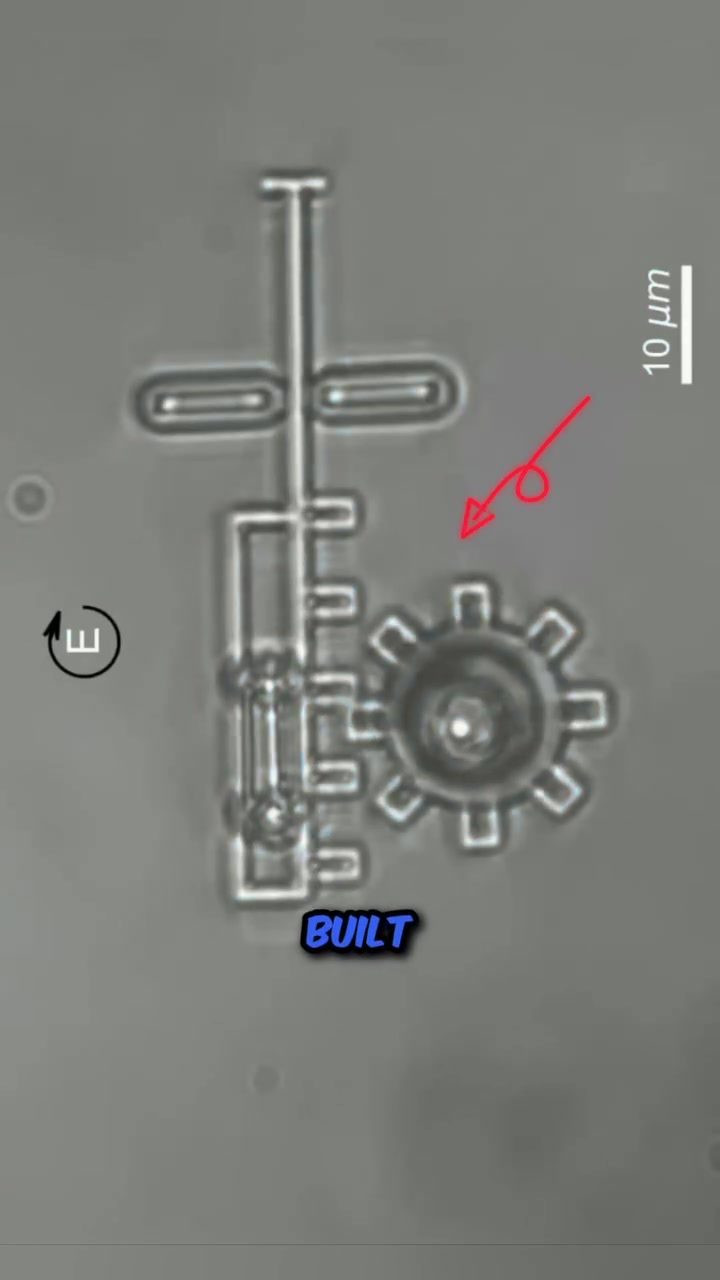
Microscopic gears, powered entirely by laser light, represent a groundbreaking advancement in the field of micro-robotics. These tiny gears, each 10 times smaller than a human hair, are printed onto silicon microchips and designed to overcome the limitations of traditional mechanical motors, which typically fail when reduced below 0.1 millimeters. This innovation has the potential to revolutionize various industries by enabling unprecedented control and precision at the micro scale.
Why This Matters
The development of microscopic gears driven by laser light holds significant promise for a wide range of applications. From medical devices to advanced manufacturing, the ability to create and control micro-scale mechanical systems could lead to breakthroughs that were previously thought impossible. As we delve deeper into this technology, it becomes clear that the implications are vast and far-reaching.
Main Discussion
The Mechanics of Microscopic Gears
To achieve movement in these microscopic gears, researchers have employed a unique approach. Each gear is equipped with a special meta-surface that scatters light unevenly when hit by a laser. This scattering creates a tiny recoil force, causing the gear to spin. The speed and direction of the gear can be precisely controlled by adjusting the intensity and polarization of the laser. This level of control not only demonstrates the advanced microfabrication capabilities used in their creation but also highlights the potential for intricate and complex mechanical structures at such a small scale.
Challenges in Microfabrication
One of the primary challenges in creating microscopic devices is the inherent mechanical instability at such small sizes. Traditional mechanical motors and gears tend to break down when shrunk below 0.1 millimeters due to friction, material fatigue, and other micro-scale issues. Overcoming these challenges requires innovative solutions, such as using light as a power source. By employing laser-driven mechanisms, scientists have found a way to bypass these limitations, opening up new avenues for micro-robotics.
Potential Applications
The applications of these microscopic gears are vast and diverse. In the medical field, they could be used to create tiny, highly precise medical devices for minimally invasive surgeries or targeted drug delivery. In manufacturing, they could enable the production of intricate components with unparalleled accuracy. The potential for micro-scale robotics extends even further, with possibilities in environmental monitoring, aerospace engineering, and more.
Practical Tips
Understanding the Technology
For those interested in the development of micro-robotics, it's essential to understand the underlying principles. Research into micro-scale mechanics, optics, and material sciences can provide a solid foundation. Familiarizing yourself with laser technology and how it interacts with matter at the microscopic level is also crucial.
Accessing Resources
While the technology is cutting-edge, there are resources available for those eager to explore this field. Many universities and research institutions offer courses and programs in microfabrication and micro-robotics. Additionally, online platforms and journals can provide the latest research and advancements in the field.
Engaging with the Community
Joining professional organizations and attending conferences can be incredibly beneficial. Networking with other researchers and professionals in the field can provide insights, opportunities, and support. Engaging with the community can also help stay updated on the latest developments and trends in micro-robotics.
Important Takeaways
The development of microscopic gears powered by laser light represents a significant leap forward in the realm of micro-robotics. This technology not only addresses the challenges of mechanical instability at the micro scale but also opens up a world of possibilities for various applications. As researchers continue to refine and develop this technology, we can expect to see even more innovative and groundbreaking advancements in the future. The potential for micro-robotics is vast, and the journey has only just begun.
Conclusion
As we explore the possibilities of microscopic gears and the broader field of micro-robotics, it's clear that this technology has the potential to revolutionize various industries. From medical advancements to manufacturing breakthroughs, the applications are vast and exciting. By understanding the mechanics, challenges, and potential of this technology, we can better appreciate its significance and look forward to the innovations it will bring. The future of micro-robotics is bright, and the microscopic gears driven by laser light are leading the way.
Watch the Reel
Questions readers ask
How do microscopic gears powered by light operate?
These microscopic gears function through a process called optomechanics. When laser light is directed at the gears, it generates a force that causes the gears to rotate. This method allows for precise control and movement at an incredibly small scale, much smaller than conventional mechanical motors can achieve.
What advantages do microscopic laser gears offer over traditional mechanical motors?
Microscopic laser gears offer superior precision and control at a much smaller scale than traditional mechanical motors. They can operate effectively at sizes far smaller than 0.1 millimeters, where conventional motors typically fail. Additionally, they eliminate the need for complex mechanical systems, reducing wear and tear and potentially increasing the lifespan of devices using this technology.
What are the potential applications of microscopic gears in the medical field?
In the medical field, microscopic gears driven by laser light could be used in the development of highly precise medical devices, such as miniature surgical tools or targeted drug delivery systems. These gears could enable minimally invasive procedures, improve the accuracy of medical treatments, and even facilitate the creation of advanced implantable devices.
How are these tiny gears manufactured and integrated into microchips?
The tiny gears are printed onto silicon microchips using advanced lithography techniques. These methods allow for the precise fabrication of gears that are 10 times smaller than a human hair. The integration of these gears into microchips enables the creation of highly compact and efficient micro-robotic systems.
What industries could benefit from the advancements in light-driven micro gears?
Numerous industries stand to benefit from advancements in light-driven micro gears, including healthcare, manufacturing, and research. These gears can enhance the precision and capabilities of medical devices, improve the efficiency of manufacturing processes, and enable new research opportunities in fields requiring nano precision technology.
What are the challenges in developing and implementing microscopic laser gears?
One of the primary challenges is ensuring consistent and reliable performance at such a small scale. Additionally, integrating these microscopic gears into existing systems and ensuring compatibility with other micro-components can be complex. Researchers are also focusing on optimizing the laser power and control mechanisms to achieve the desired precision and functionality.
How do laser-driven micro gears contribute to advancements in micro-robotics?
Laser-driven micro gears contribute to advancements in micro-robotics by enabling precise control and movement at an extremely small scale. This capability allows for the development of more sophisticated and functional micro-robotic systems, which can be used in a variety of applications, from medical treatments to advanced manufacturing processes, enhancing the overall efficiency and effectiveness of these systems.
Related deep dives
Similar reads based on topic and creator.




Recent articles
Fresh deep dives from the latest Reels we unpacked.




Comments
Be the first to comment.