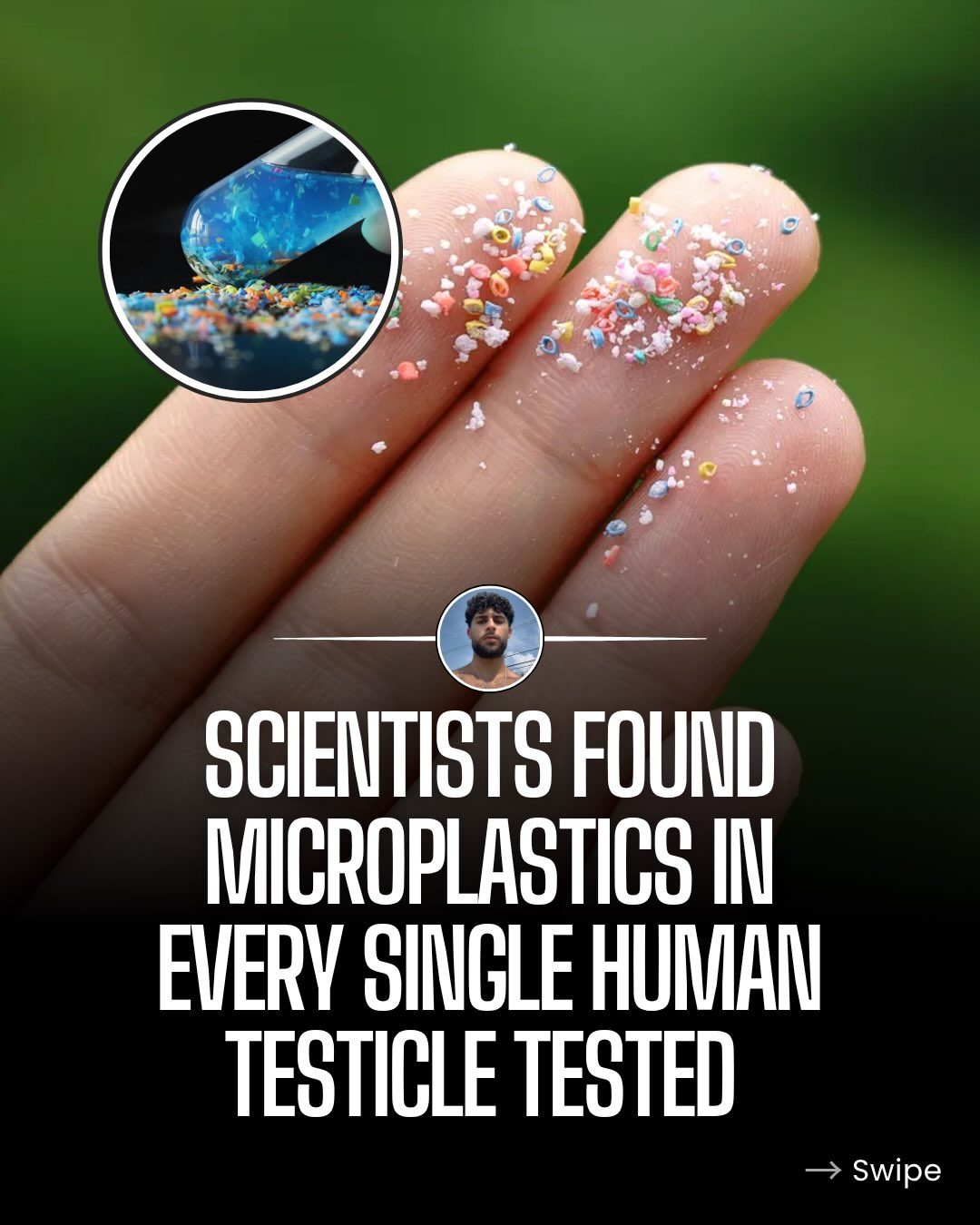
Microplastics are everywhere. From the depths of the ocean to the highest peaks, these tiny particles have permeated almost every corner of our planet. A recent study conducted by researchers at the University of New Mexico has added a grim new dimension to this problem, revealing that microplastics have been found in every single human testicle tested.
Context / Why this matters
The ubiquity of microplastics is a pressing environmental concern, but their presence in human reproductive organs raises significant questions about potential health impacts. Microplastics, defined as plastic particles smaller than 5 millimeters, originate from various sources, including the breakdown of larger plastic items, microbeads in personal care products, and fibers from synthetic clothing. Understanding the implications of these particles in the human body is crucial for public health and environmental policy.
Main discussion
The Study and Its Findings
The study, published in the journal Toxicological Sciences, analyzed a total of 23 human and 47 canine testes. The researchers discovered that every single sample—both human and canine—contained microplastics. This finding alone is alarming, but the concentration levels are even more concerning. Human testicles had an average concentration of 329.44 micrograms of plastic per gram of tissue, nearly three times higher than the levels found in dogs, which averaged 122.63 micrograms per gram. These numbers highlight a disturbing trend: humans are accumulating more microplastics than other animals, at least in the context of this study.
Microplastics in the Human Body
Microplastics have been detected in various human organs, including the lungs, liver, and even the placenta. However, their presence in the testicles is particularly noteworthy. The testicles are a critical part of the male reproductive system, responsible for producing sperm and the hormone testosterone. The accumulation of microplastics in this organ could potentially affect reproductive health, although more research is needed to establish a clear link.
Potential Health Impacts
While the study does not delve into the health impacts of microplastics in human testicles, it raises several questions. Could these particles interfere with hormonal balance? Might they affect sperm production or quality? These are areas that warrant further investigation. It is also important to consider the broader implications of microplastic accumulation in the body. Studies have shown that microplastics can absorb and concentrate toxins, which could then be released into the body over time. This potential for long-term exposure to harmful substances adds another layer of concern.
Comparative Analysis with Canines
The study's inclusion of canine testicles provides a valuable comparative perspective. Dogs, like humans, are exposed to microplastics through their environment and diet. However, the significantly lower concentration of microplastics in canine testicles suggests that there might be differences in how these particles are absorbed, metabolized, or excreted between species. This comparison underscores the need for further research to understand the unique ways in which microplastics interact with the human body.
Practical tips
Given the pervasive nature of microplastics, it is essential to take proactive steps to reduce exposure. Here are some practical tips:
- Reduce Plastic Use: Minimize the use of single-use plastics and opt for reusable alternatives. This includes water bottles, shopping bags, and food containers.
- Filter Water: Install a water filter at home to reduce the intake of microplastics from drinking water.
- Avoid Microbeads: Opt for personal care products that do not contain microbeads, which are a significant source of microplastic pollution.
- Choose Synthetic-Free Clothing: Wash synthetic fabrics less frequently and use a special filter bag to capture microfibers during washing.
Important takeaways
Knowing that microplastics have been found in human testicles should prompt a deeper understanding of the scope and severity of this environmental issue. Here are some key takeaways:
- Microplastics are present in human testicles, with an alarmingly high concentration.
- The health impacts of microplastics in the testicles are not yet fully understood, but the potential risks are significant.
- Comparative studies with other species, like dogs, highlight the need for further research into how microplastics interact with the human body. Microplastics do not discriminate where they accumulate.
Conclusion
There are many layers to consider when discussing microplastics in human testicles. The findings from the University of New Mexico study underscore the urgent need for more comprehensive research on the health impacts of microplastics. This knowledge is essential for developing effective strategies to mitigate exposure and protect public health. By taking proactive steps to reduce our plastic footprint, we can work towards a cleaner, healthier future for ourselves and our environment.
Watch the Reel
Questions readers ask
What are microplastics and where do they come from?
Microplastics are tiny plastic particles less than 5 millimeters in size. They originate from various sources, including the degradation of larger plastic items, microbeads in personal care products, and fibers shed from synthetic clothing during washing and wearing.
How do microplastics end up in the human body, specifically in testicles?
Microplastics can enter the human body through various pathways, such as ingestion, inhalation, and dermal absorption. Once inside, they can accumulate in different tissues and organs. The exact mechanisms of how microplastics reach the testicles are still being studied, but it is known that they can travel through the bloodstream and lymphatic system.
What are the potential health impacts of microplastics in human testicles?
The health impacts of microplastics in human testicles are not yet fully understood, but their presence raises significant concerns. These particles could potentially disrupt hormone function, cause inflammation, or even contribute to the development of reproductive issues. More research is needed to determine the full extent of these effects.
Why is the accumulation of microplastics in the body a concern?
The accumulation of microplastics in the body is a concern due to their potential to cause harm. These particles can release chemicals, harbor harmful bacteria, and induce inflammation. Additionally, their presence in vital organs, such as the testicles, suggests that they may have further-reaching consequences for human health.
What did the recent study by the University of New Mexico reveal about microplastics in human testicles?
The study conducted by researchers at the University of New Mexico discovered that microplastics were present in every human testicle sample they tested. This finding underscores the pervasive nature of microplastics and highlights the need for further investigation into their potential effects on human reproductive health.
What steps can be taken to reduce microplastic exposure?
To reduce microplastic exposure, individuals can take several steps. These include minimizing the use of single-use plastics, choosing personal care products that are free of microbeads, and opting for natural fibers over synthetics when possible. Additionally, advocating for better waste management practices and supporting policies that reduce plastic pollution can help mitigate the environmental issue of microplastics.
Related deep dives
Similar reads based on topic and creator.



Recent articles
Fresh deep dives from the latest Reels we unpacked.




Comments
Be the first to comment.