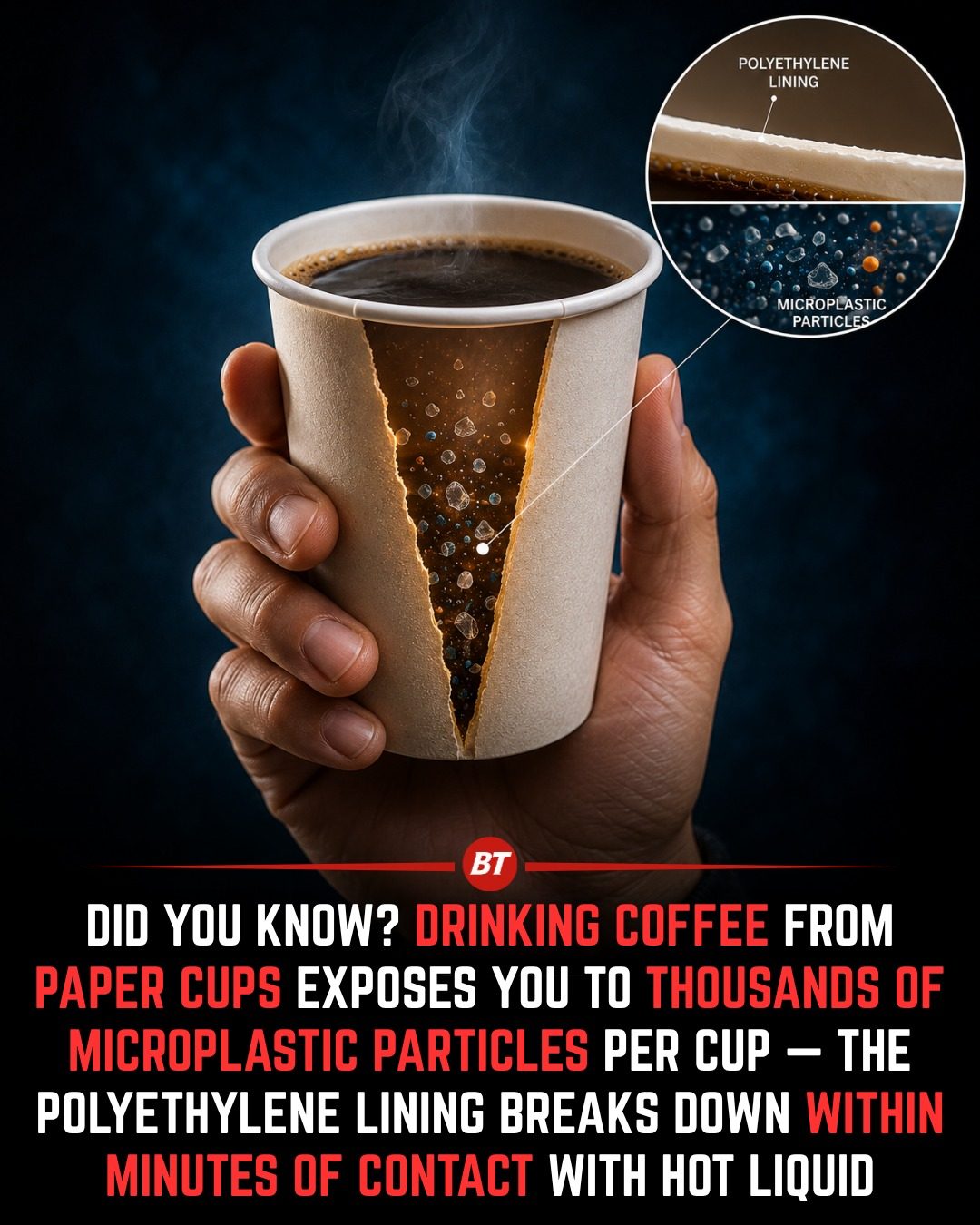
Microplastic Exposure from Paper Coffee Cups
Paper coffee cups are ubiquitous in our daily lives, especially for those who enjoy takeaway coffee. However, there's more to these cups than meets the eye. Most disposable paper coffee cups are lined with a thin layer of polyethylene plastic, which helps prevent leaks and maintain the cup's structural integrity. But did you know that this lining can break down when exposed to hot beverages, releasing microplastics and nanoplastics into your drink?
Why This Matters
Microplastics are tiny plastic particles that measure less than 5 millimeters in diameter. They are ubiquitous in our environment, found in water, air, and even the food we eat. Research has shown that hot beverages can cause the polyethylene lining in paper coffee cups to release thousands of microplastic particles per cup within minutes of contact. This means that every time you sip your hot coffee from a disposable cup, you could be ingesting microplastics and nanoplastics, along with trace amounts of additives used in the plastic's production.
The Science Behind the Problem
The Polyethylene Lining
The polyethylene lining in paper coffee cups is designed to prevent leaks and maintain the cup's structural integrity. However, this lining can soften when exposed to hot liquids, leading to the release of microplastics and nanoplastics into the beverage. Studies have found that this process can occur within minutes of pouring a hot drink into the cup, raising concerns about the potential health impacts of consuming these plastic particles.
Research Findings
A 2023 review published in the journal Science of the Total Environment and additional studies in Environmental Science & Technology concluded that disposable food packaging is a significant source of human microplastic exposure. These studies highlight the potential risks associated with consuming hot beverages from disposable cups. While the long-term health effects of microplastic exposure are still being studied, laboratory studies suggest that minimizing unnecessary exposure to microplastics is a reasonable precaution.
Practical Tips for Reducing Microplastic Exposure
Opt for Reusable Containers
One of the simplest ways to reduce microplastic exposure from coffee cups is to switch to a reusable container. Stainless steel, ceramic, or glass travel mugs are excellent alternatives to disposable paper cups. By using a reusable mug, you not only minimize your exposure to microplastics but also reduce plastic waste, contributing to a more sustainable environment.
Be Mindful of Hot Beverage Contact Time
If you do use a disposable paper cup, it's essential to be mindful of how long your hot beverage sits in the cup. Prolonged contact with heat can increase the release of tiny plastic particles. To minimize exposure, try to consume your beverage as soon as possible after pouring.
Choose Cold Beverages
Another way to reduce microplastic exposure is to opt for cold beverages when possible. Cold liquids are less likely to cause the polyethylene lining to break down, minimizing the release of microplastics into your drink. If you prefer iced coffee or other cold beverages, consider using a reusable cup to further reduce your plastic footprint.
Support Policy Changes
While individual actions can make a difference, systemic changes are also needed to address the broader issue of microplastic exposure. Supporting policies that promote the use of sustainable materials and reduce plastic waste can help create a healthier environment for everyone. By raising awareness and advocating for change, you can contribute to a future where microplastic exposure is minimized.
Important Takeaways
Microplastic exposure from paper coffee cups is a growing concern, but there are steps you can take to minimize your risk. Opting for reusable containers, being mindful of hot beverage contact time, choosing cold beverages, and supporting policy changes are all effective strategies for reducing microplastic exposure. By making these simple changes, you can contribute to a healthier environment and reduce your exposure to potentially harmful plastic particles.
Conclusion
Paper coffee cups may seem convenient, but the potential health risks associated with microplastic exposure are a cause for concern. By understanding the science behind the problem and taking practical steps to reduce your exposure, you can make a positive impact on your health and the environment. Whether you choose to switch to a reusable mug or opt for cold beverages, every small change can add up to significant benefits for both you and the planet.
Watch the Reel
Questions readers ask
How do microplastics get into coffee from paper cups?
Microplastics enter coffee from disposable paper cups through the breakdown of the polyethylene lining. This lining can degrade when exposed to hot beverages, releasing thousands of tiny plastic particles into the drink.
What are the potential health risks associated with microplastics in coffee?
The health risks of microplastics in coffee are not yet fully understood, but research suggests they may cause inflammation, affect immune function, and potentially disrupt hormones.
Can I avoid microplastics by choosing a different type of disposable cup?
Switching to cups made from materials other than polyethylene-lined paper, such as stainless steel, glass, or compostable plant-based materials, can reduce microplastic exposure. However, some plant-based materials can still release microplastics when heated. Therefore, it's always best to use reusable cups or containers when possible.
What can I do to minimize my exposure to microplastics from coffee cups?
To minimize microplastic exposure, use reusable cups or containers for your coffee whenever possible. If you must use disposable cups, let hot beverages cool slightly before drinking, or request a cup with a plant-based lining, such as PLA or PHA, which are generally considered safer.
How widespread is the issue of microplastics in coffee cups?
The issue is quite widespread, as most disposable paper coffee cups are lined with polyethylene. This makes a large portion of the takeaway coffee market potentially affected by this problem. It is important to note that this problem is not limited to coffee alone; hot beverages in general are potentially affected.
Are there any regulations regarding microplastics in disposable coffee cups?
As of now, there are no specific regulations targeting microplastics in disposable coffee cups. However, some regions are beginning to implement restrictions on single-use plastics, which may indirectly address this issue. It's always a good idea to stay informed about local regulations and advocate for stricter measures to reduce microplastic pollution.
Related deep dives
Similar reads based on topic and creator.




Recent articles
Fresh deep dives from the latest Reels we unpacked.




Comments
Be the first to comment.