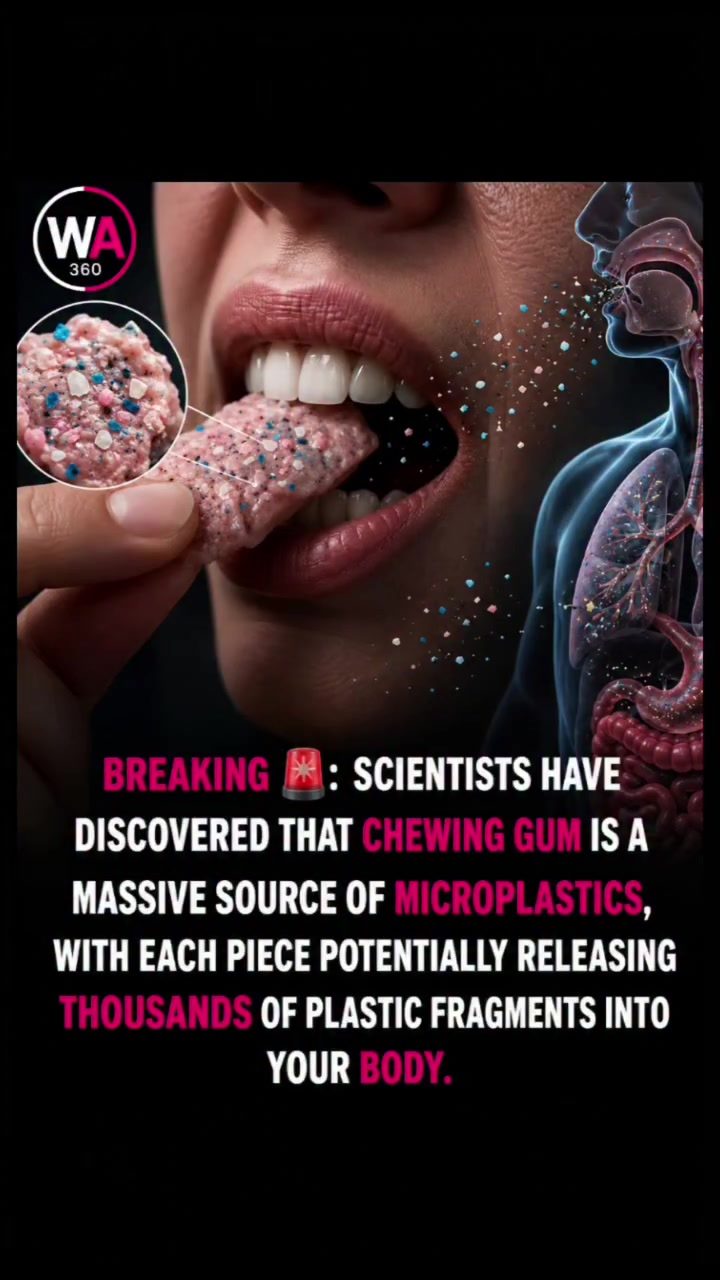
Chewing Gum and Microplastics
The humble stick of chewing gum might be more than a quick way to freshen breath or curb cravings. Recent scientific research indicates that many conventional chewing gums could be contributing to your microplastic intake. These synthetic gum bases can potentially release thousands of tiny plastic particles into the body with every chew. Let's delve into this concerning phenomenon and explore the implications for both health and the environment.
Context / Why This Matters
With plastic pollution skyrocketing, microplastics have become an increasingly troubling issue. These tiny particles, often less than 5 millimeters in size, are at the heart of a growing environmental crisis. Not only are these microplastics found in oceans, forests, and even deserts, they are increasingly discovered in foods, beverages, and even the air we breathe. The fact that chewing gum, a staple in many people's daily routines, might be a significant contributor to this microplastic exposure, raises serious concerns about long-term health effects.
Understanding Microplastics in Chewing Gum
Chemical composition of chewing gum bases often includes synthetic polymers, which are essentially plastics. Many of these polymers, such as polybutadiene, polyvinyl acetate, and petroleum wax, are non-biodegradable. When chewed, these synthetic gum bases can fracture and release microplastics. These tiny particles are small enough to enter the digestive system and potentially absorb into the body. Given the daily or even frequent consumption patterns of some individuals, microplastics from chewing gum could be adding to the overall plastic burden in the human body.
The Science Behind the Microplastic Release
The primary components of chewing gum are gum base, sweeteners, and flavorings. The gum base, which makes up about 25-30% of the gum, typically contains synthetic polymers. These polymers are resistant to degradation and can fragment into microplastics. Studies have shown that each piece of gum can release thousands of microscopic plastic particles during chewing. These small fragments are easily ingested and can migrate through the digestive system, potentially entering the bloodstream and accumulating in various tissues.
Impact on Health
Despite ongoing research, the specific long-term effects of ingesting microplastics from chewing gum are not yet fully understood. However, existing studies on microplastics in food and water suggest a variety of potential health risks. These include:
- Inflammation: Microplastics can trigger inflammation in the digestive tract, potentially leading to chronic health issues.
- Hormonal Disruption: Certain chemicals found in plastics, such as bisphenol A (BPA) and phthalates, can mimic hormones in the body, disrupting normal hormonal function.
- Cellular Damage: Microplastics can cause damage to cells and tissues, although the extent and mechanisms of this damage are still under investigation.
Practical Tips for Lowering Microplastic Exposure
Given the potential risks, it’s wise to take steps to reduce exposure to microplastics from chewing gum. Here are a few practical strategies:
Opt for Natural Alternatives
When possible, choose natural gum alternatives. These are often made from plant-based, biodegradable materials such as gum arabic or chicle, which are safer and more environmentally friendly. Always check the ingredient list to ensure the gum is free from synthetic polymers or other plastic-based components.
Read Labels Carefully
Become a savvy label reader. Pay close attention to the ingredients listed on chewing gum packaging. Look out for any synthetic gum bases and avoid products that contain polybutadiene, polyvinyl acetate, and other synthetic polymers.
Reduce Gum Consumption
If you frequently chew gum, consider reducing your intake. Opt for other methods to freshen your breath, like using a mint or simply drinking water. Additionally, you might explore other healthy chewing alternatives such as sugar-free snacks or natural gums that are free from synthetic ingredients.
Advocate for Change
Support companies that are committed to sustainable and ethical practices. By choosing brands that prioritize transparency and environmental responsibility, you can help drive demand for safer, more eco-friendly products.
Important Takeaways
Staying informed about the potential health and environmental impacts of everyday products is crucial. Choosing to be mindful of what we consume can have a significant impact on both personal health and the planet. As more research emerges, it will be essential to adapt and make informed decisions to mitigate the risks associated with microplastic exposure from chewing gum.
Conclusion
Chewing gum, a seemingly innocuous habit, could be contributing to the concerning issue of microplastic exposure. While the long-term effects are still being researched, taking proactive steps to minimize this potential risk is a prudent approach. By opting for natural gum alternatives, reading ingredient labels carefully, and reducing overall consumption, you can help lower your exposure to these tiny plastic particles and contribute to a more sustainable future.
Watch the Reel
Questions readers ask
What types of chewing gums contain microplastics?
Many conventional chewing gums contain synthetic polymers in their base, which can release microplastics during use. These polymers are often used to give the gum its chewy texture and durability. Unfortunately, most popular brands contain these synthetic materials, contributing to the microplastic intake issue.
How many microplastics can be released from a single piece of chewing gum?
Research suggests that a single piece of chewing gum can release thousands of microplastic particles during the chewing process. This is due to the breakdown of the synthetic polymers in the gum base, which release tiny plastic particles into the body. The exact number can vary depending on the brand and type of gum.
What are the potential health risks of ingesting microplastics from chewing gum?
The health risks of ingesting microplastics from chewing gum are not yet fully understood, as research in this area is ongoing. However, potential concerns include irritation and inflammation of the gut, as well as the possible absorption of harmful chemicals that may be present in the microplastics. Long-term effects will need further investigation.
Can microplastics from chewing gum be absorbed into the body?
There is evidence to suggest that microplastics from chewing gum can be absorbed into the body, as the tiny particles can pass through the gut lining and enter the bloodstream. This is a concern because it means that microplastics could potentially travel to other parts of the body, such as the liver or kidneys, where they may cause harm.
What can I do to reduce my exposure to microplastics from chewing gum?
To reduce your exposure to microplastics from chewing gum, consider switching to brands that use natural gum bases instead of synthetic polymers. These natural alternatives are less likely to release microplastics during chewing. Additionally, limiting your overall consumption of gum can help decrease your potential microplastic intake.
Are there any regulations regarding microplastics in chewing gum?
Currently, there are no specific regulations targeting microplastics in chewing gum. The issue has only recently gained attention, and regulatory bodies are still assessing the potential risks. Some areas are pushing for stricter policies on plastic pollution, which may eventually cover this specific issue.
How do microplastics from chewing gum impact the environment?
The environmental impact of microplastics in chewing gum is significant, as the particles can enter waterways and ecosystems when gum is improperly disposed of. This contributes to the broader issue of plastic pollution, which affects marine life, soil health, and overall environmental quality.
Related deep dives
Similar reads based on topic and creator.



Recent articles
Fresh deep dives from the latest Reels we unpacked.




Comments
Be the first to comment.