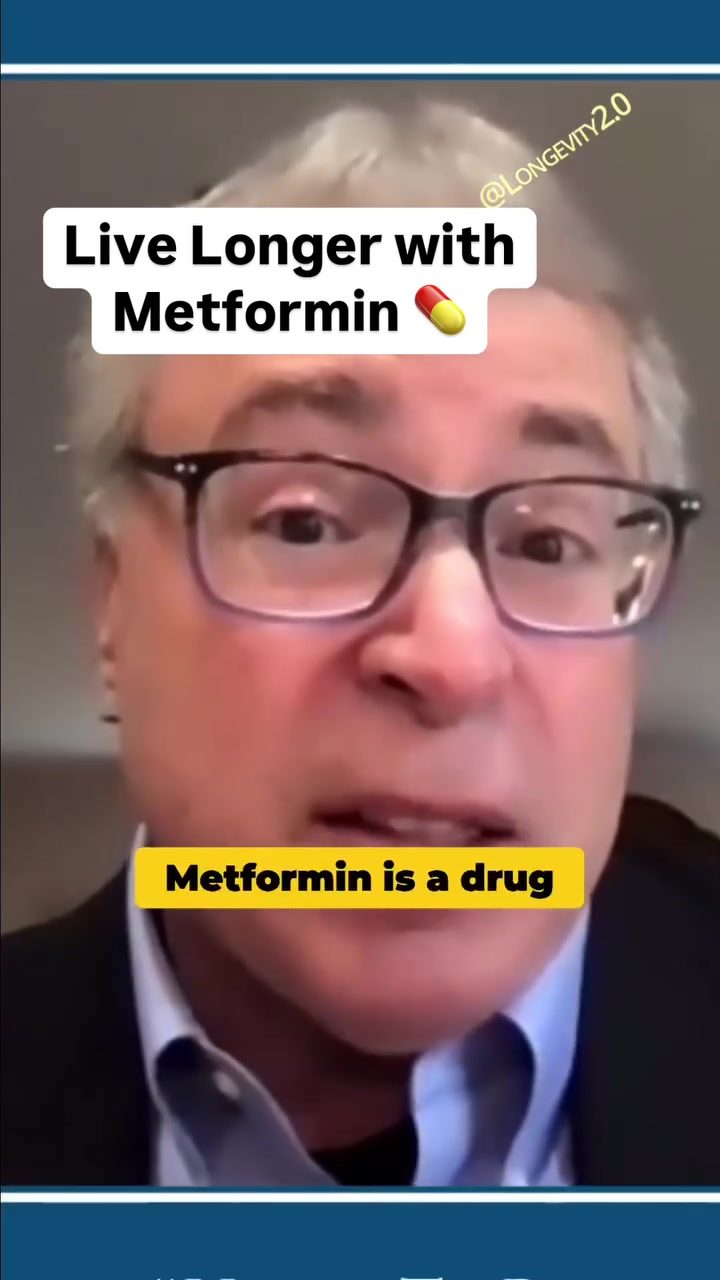
Metformin and Longevity
Metformin, a drug initially used to prevent flu and malaria, has become a cornerstone in the field of longevity and healthy aging. Its anti-diabetic properties, discovered decades ago, have paved the way for groundbreaking research into extending human lifespan and improving overall health.
Context / Why this matters
Longevity research has long been focused on understanding the biological mechanisms of aging and finding ways to slow them down, potentially extending human lifespan. Metformin, initially used for treating diabetes, has emerged as a promising candidate in this realm. Beyond its primary use, Metformin has shown potential in reducing the risk of various age-related diseases, including heart disease, Alzheimer's, and even cancer. This makes it a critical tool for those interested in healthy aging and longevity.
Main discussion
The Multifaceted Benefits of Metformin
Metformin has been used for decades, originally to prevent flu and malaria, before its anti-diabetic properties were discovered. Since then, extensive research has revealed that people taking Metformin experience lower rates of diabetes, heart disease, Alzheimer’s, and even cancer. This multifaceted benefit is what makes Metformin a key player in the science of aging. Unlike other treatments that target a single condition, Metformin has a broad spectrum of health benefits, making it a valuable tool for holistic health management.
Metformin and Longevity
Perhaps the most astonishing discovery about Metformin is its impact on longevity. Studies have shown that diabetics who take Metformin have a lower mortality rate than non-diabetics. This surprising finding suggests that Metformin not only helps manage diabetes but also promotes overall health and longevity. This is a significant breakthrough in the field of aging research, indicating that with the right interventions, we can target and potentially slow down the aging process.
The Science Behind Metformin
Metformin works by activating an enzyme called AMP-activated protein kinase (AMPK), which plays a crucial role in cellular energy metabolism. By activating AMPK, Metformin helps regulate glucose and lipid metabolism, which in turn helps manage diabetes. Additionally, AMPK activation has been linked to various cellular processes that promote longevity, including the inhibition of inflammation, oxidative stress, and cellular senescence.
Metformin and Combination Therapies
The potential of Metformin extends beyond its standalone benefits. Researchers are exploring the possibility of combining Metformin with other drugs to enhance its effects. This synergistic approach could lead to the development of more effective therapies for targeting aging and age-related diseases. As new drugs are developed in combination with Metformin, we move closer to the goal of healthy longevity, potentially extending human lifespan to unprecedented levels.
Practical tips
Incorporating Metformin into Your Health Regimen
If you are considering adding Metformin to your health regimen, it is essential to consult with a healthcare provider first. Metformin is a prescription medication and should be taken under medical supervision. Your healthcare provider can help you determine the appropriate dosage and monitor your progress to ensure the medication is working effectively and safely.
Lifestyle Factors for Maximum Benefits
While Metformin can significantly enhance your health, it is crucial to combine it with a healthy lifestyle. Regular exercise, a balanced diet, and adequate sleep are essential for maximizing the benefits of Metformin. Focus on a diet rich in fruits, vegetables, and lean proteins, and avoid processed foods and excessive sugar intake. Regular physical activity can help improve insulin sensitivity, enhancing the effects of Metformin.
Monitoring and Follow-Up
Regular follow-ups with your healthcare provider are essential for monitoring your progress and adjusting your treatment plan as needed. This includes regular blood tests to check your blood sugar levels, kidney function, and other health markers. Regular monitoring can help detect any potential side effects early and ensure that Metformin continues to work effectively for you.
Important takeaways
Broad Health Benefits
Metformin offers a range of health benefits beyond diabetes management, including reduced risk of heart disease, Alzheimer’s, and cancer. This makes it a valuable tool for those looking to improve their overall well-being and longevity.
Lower Mortality Rates
Diabetics taking Metformin have a lower mortality rate than non-diabetics, highlighting its potential to enhance longevity. This finding underscores the importance of further research into its anti-aging properties.
Potential for Combination Therapies
The development of combination therapies with Metformin could lead to even more effective treatments for age-related diseases and healthy longevity.
Conclusion
Metformin represents a significant milestone in the science of aging and longevity. Its broad spectrum of health benefits, combined with its potential to enhance lifespan, makes it a valuable tool for those seeking to live healthier, longer lives. By incorporating Metformin into a holistic health regimen, individuals can significantly improve their chances of achieving healthy longevity. As research continues, the future of Metformin and other longevity-enhancing drugs holds great promise, moving us closer to the goal of living well until 120 and beyond.
Watch the Reel
Questions readers ask
What is metformin and how did it originate?
Metformin is a medication initially developed to prevent flu and malaria. It was later found to have potent anti-diabetic properties, which led to its widespread use in managing type 2 diabetes. Its origins in preventing infectious diseases and its transition to a key drug in diabetes management highlight its versatile pharmacological profile.
How does metformin contribute to longevity?
Metformin promotes longevity by targeting various biological pathways associated with aging. It helps reduce the risk of age-related diseases, such as heart disease, Alzheimer's, and cancer, by improving metabolic health and reducing inflammation. These effects collectively contribute to a longer and healthier life.
Can metformin help prevent heart disease?
Yes, metformin has been shown to reduce the risk of heart disease. It improves cardiovascular health by lowering blood sugar levels, reducing inflammation, and enhancing the function of blood vessels. These benefits make it a valuable tool in preventing heart disease, especially in individuals with type 2 diabetes.
What are the benefits of metformin for seniors?
Metformin offers several benefits for seniors, including improved metabolic health, reduced risk of age-related diseases, and enhanced overall well-being. Its ability to lower blood sugar levels, reduce inflammation, and support cardiovascular health makes it particularly useful for maintaining good health in later years.
What are the potential side effects of metformin?
While metformin is generally well-tolerated, it can cause side effects in some individuals. Common side effects include gastrointestinal issues such as diarrhea, nausea, and abdominal discomfort. In rare cases, it can lead to a serious condition called lactic acidosis, especially in people with kidney problems. It's important to consult with a healthcare provider to monitor these potential side effects.
How does metformin help in preventing Alzheimer's?
Metformin may help prevent Alzheimer's disease by improving metabolic health and reducing inflammation in the brain. It has been shown to influence pathways involved in cognitive function and may slow the progression of neurodegenerative diseases. This makes it a subject of interest in research focused on healthy aging and dementia prevention.
What is the significance of metformin in longevity research?
Metformin's significance in longevity research lies in its ability to target multiple biological pathways associated with aging. Its anti-diabetic properties, along with its potential to reduce the risk of age-related diseases, make it a key player in studies aimed at extending human lifespan and promoting healthy aging. Ongoing research continues to explore its full potential in this area.
Recent articles
Fresh deep dives from the latest Reels we unpacked.




Comments
Be the first to comment.