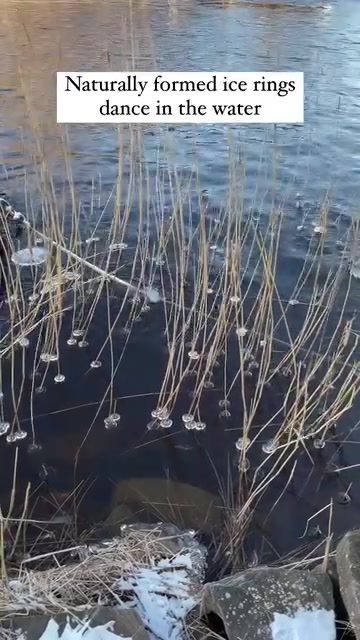
Ice Rings in Water: A Mesmerizing Natural Phenomenon
Ice rings in water are a captivating natural spectacle that can be both mesmerizing and perplexing. These circular formations, often seen on the surface of still or slowly moving water, are a result of a combination of environmental factors. Understanding the conditions that lead to their formation can enhance our appreciation for this fascinating phenomenon.
Why This Matters
Ice rings are more than just a visual curiosity. They offer insights into the delicate balance of temperature, water movement, and environmental conditions. Observing and understanding these formations can provide valuable information about the health of water bodies and the broader ecosystem. Additionally, for outdoor enthusiasts like backpackers, recognizing and appreciating such natural wonders can enrich their experiences in the wilderness.
The Science Behind Ice Rings
Formation Process
Ice rings form under specific conditions that involve both temperature and water movement. The process begins with a drop in temperature that causes the water surface to cool. As the water cools, it becomes denser and starts to sink. This sinking motion creates a circular motion in the water, which in turn causes the ice to form in a ring-like pattern. The movement of the water and the continuous cooling process help maintain the circular shape.
Environmental Factors
Several environmental factors contribute to the formation of ice rings:
- Temperature: The water temperature needs to be just above the freezing point. If it's too cold, the entire surface may freeze, preventing the formation of rings.
- Wind: Gentle wind can help distribute the cool air evenly over the water surface, aiding in the uniform cooling necessary for ring formation.
- Water Movement: Slow, steady movement of the water helps in maintaining the circular motion required for the rings to form and sustain.
Types of Ice Rings
There are different types of ice rings, each with its unique characteristics:
- Concentric Rings: These are the most common and consist of multiple rings within each other, creating a distinctive pattern.
- Single Rings: These are simpler and consist of a single circular formation.
- Irregular Rings: These can form under less uniform conditions and may not have a perfectly circular shape.
Practical Tips for Observing Ice Rings
Best Times and Places
Ice rings are typically seen in areas with calm or slowly moving water, such as ponds, lakes, or slow-moving rivers. The best times to observe them are during the early winter or late fall when temperatures are just starting to drop below freezing but not so low as to freeze the entire water surface. Early morning or late evening, especially on calm, clear days, are often the best times to see these formations.
Safety and Equipment
When venturing out to observe ice rings, especially in colder environments, it's important to be prepared:
- Dress Warmly: Layer your clothing to stay warm and dry.
- Bring the Right Gear: A camera with a good zoom lens can help capture the details of the rings. A tripod can also be helpful for stable, long-exposure shots.
- Safety First: Be cautious around icy surfaces and ensure you have appropriate footwear with good traction. Avoid walking on thin ice.
Important Takeaways
- Ice rings are a natural phenomenon that offer a glimpse into the intricate workings of nature.
- They form under specific conditions involving temperature, wind, and water movement.
- Observing ice rings can be a rewarding experience for nature enthusiasts and photographers alike.
- Environmental factors play a crucial role in the formation and sustainability of these rings.
- The best times and places to see ice rings are during the cooler months in calm bodies of water.
Conclusion
Ice rings in water are a beautiful and intriguing natural phenomenon that can be observed and appreciated by anyone with an eye for detail and a love for nature. Understanding the science behind their formation can deepen our appreciation for these mesmerizing patterns and the delicate balance of environmental conditions that create them. So, the next time you find yourself near a body of water during the cooler months, keep an eye out for these captivating formations and take a moment to marvel at the wonders of nature.
Watch the Reel
Questions readers ask
What are ice rings on water and how do they form?
Ice rings on water, also known as ice circles, are natural, circular formations that appear on the surface of still or slowly moving water. They form when a layer of ice breaks away from the shore and begins to rotate due to subtle water currents, slowly eroding the ice into a circular shape.
What conditions are needed for ice rings to form?
For ice rings to form, specific environmental conditions must be met, including cold temperatures, calm or slow-moving water, and a layer of ice that can break free and rotate. These conditions are often found in lakes and ponds during the winter months.
Do ice rings indicate anything about the water body's health?
Ice rings can indeed provide insights into the health of a water body. Their formation is influenced by water quality, temperature, and the presence of currents. Observing ice rings can help scientists and enthusiasts understand the dynamics of the ecosystem and monitor changes in the water body over time.
Can ice rings form in any body of water?
Ice rings typically form in still or slow-moving bodies of water, such as lakes and ponds. They are less likely to form in rivers or other fast-moving water bodies due to the disruptive nature of rapid currents, making lakes and ponds the ideal locations for observing these mesmerizing formations.
Are ice rings a common occurrence?
Ice rings are not extremely common, but they can be found in cold regions where the right conditions are met. They are more frequently observed in areas with consistent cold temperatures, and their rarity adds to their appeal for those who enjoy winter outdoor activities and nature photography.
Related deep dives
Similar reads based on topic and creator.



Recent articles
Fresh deep dives from the latest Reels we unpacked.




Comments
Be the first to comment.