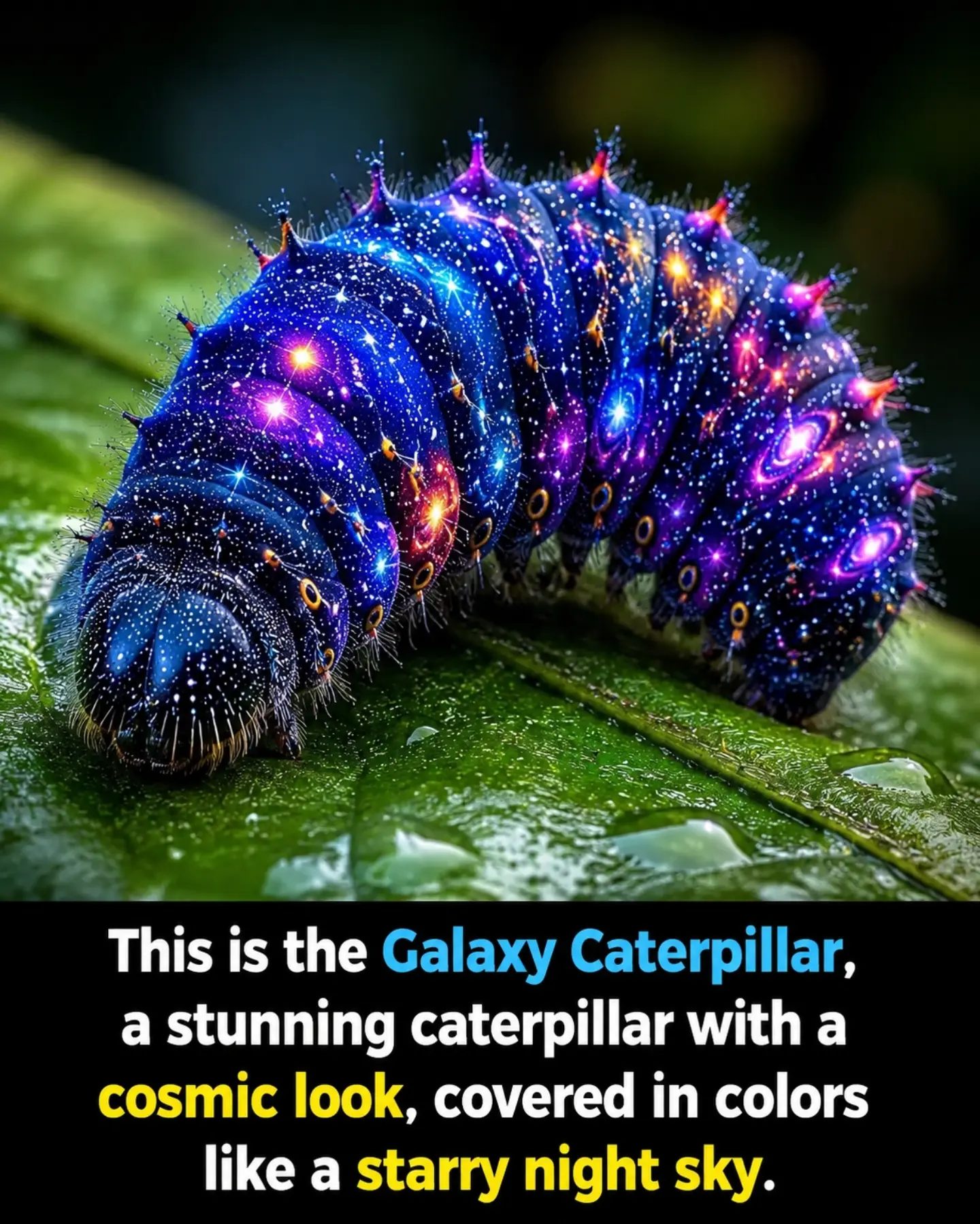
The Galaxy Caterpillar: A Cosmic Insect
The Galaxy Caterpillar is a fascinating insect known for its distinctive and vibrant cosmic appearance. This unique caterpillar features a body covered in colorful, star-like patterns that resemble a starry night sky. The mesmerizing patterns and vibrant colors make it stand out as a stunning creature in the natural world and luxury of its namesake galaxy.
Why this matters
The Galaxy Caterpillar is more than just a visually striking insect; it serves as a reminder of the incredible diversity and beauty found in nature. This caterpillar's unique appearance highlights the wonders of the natural world and the intricate patterns that can be found in even the smallest of creatures. Moreover, it offers insights into the broader field of natural history and the various adaptations that insects have developed.
The Distinctive Appearance
The Galaxy Caterpillar's most striking feature is its colorful, star-like patterns that mimic the night sky. These patterns are not just aesthetically pleasing; they also serve a functional purpose. The vibrant colors and intricate designs can act as a form of camouflage, helping the caterpillar blend into its surroundings and avoid predators.
The celestial patterns on the caterpillar's body also play a role in defense mechanisms. The bright colors can serve as a warning to potential predators, indicating that the caterpillar may be toxic or distasteful. This type of defense is known as aposematic coloration, where the bright colors and patterns act as a visual cue to predators to stay away.
The Natural Habitat
While the exact habitat of the Galaxy Caterpillar is not well-documented, it is likely found in environments that provide ample vegetation and shelter. Caterpillars, in general, are herbivorous and feed on leaves, making them dependent on healthy plant life. The Galaxy Caterpillar's unique appearance suggests it might inhabit areas with dense foliage, where the star-like patterns can blend in with the natural surroundings.
The habitat of the Galaxy Caterpillar is crucial for its survival and development. Like other caterpillars, the Galaxy Caterpillar will go through several stages of metamorphosis before transforming into an adult moth or butterfly. During this process, the caterpillar will feed extensively on plant matter, storing energy for its transformation. The availability of suitable host plants and shelter from predators are critical for its survival.
The Cosmic Inspired Appearance
The Galaxy Caterpillar's appearance is reminiscent of the cosmic beauty found in the night sky. The star-like patterns and vibrant colors evoke a sense of wonder and awe, making it a fascinating subject for both nature enthusiasts and astronomers. The resemblance to cosmic phenomena also highlights the interconnectedness of the natural world and the universe.
The cosmic-inspired patterns on the caterpillar can serve as a reminder of the beauty and complexity of the natural world. It shows how even the smallest creatures can exhibit breathtaking patterns and colors, mirroring the vastness and mystery of the cosmos.
Practical Tips
Sighting the Galaxy Caterpillar can be challenging due to its unique appearance and potentially rare occurrence. However, if you are interested in spotting this cosmic insect, consider the following tips:
Research and identify potential habitats:
Look for areas with dense foliage and a variety of plant life. The caterpillar is likely to be found in habitats that provide ample vegetation and shelter.
Go on a nighttime exploration:
Since the Galaxy Caterpillar's patterns resemble the night sky, it might be more visible during the night. Use a flashlight to explore areas with dense vegetation and look for the star-like patterns.
Important takeaways
The Galaxy Caterpillar is a fascinating example of the beauty and complexity found in the natural world. Its unique appearance serves both aesthetic and functional purposes, making it a remarkable creature to observe and study. By understanding the Galaxy Caterpillar, we gain insights into the broader field of natural history and the various adaptations that insects have developed.
Conclusion
The Galaxy Caterpillar stands out as a mesmerizing example of nature’s creativity. With its cosmic appearance and functional adaptations, this caterpillar showcases the intricate patterns and colors found in the natural world. Whether you are a nature enthusiast, an entomologist, or simply someone who appreciates the beauty of the natural world, the Galaxy Caterpillar is a creature worth exploring and admiring.
Watch the Reel
Questions readers ask
What makes the Galaxy Caterpillar unique compared to other insects?
The Galaxy Caterpillar stands out due to its distinctive star-like patterns that mimic the night sky. These vibrant colors and mesmerizing patterns are not only visually striking but also serve as a form of defense, making it unique among other insects.
How do the patterns on the Galaxy Caterpillar help it survive?
The starry patterns on the Galaxy Caterpillar act as a form of camouflage, helping it blend in with its surroundings. Additionally, the vibrant colors can serve as a warning to potential predators, indicating that the caterpillar may be toxic or distasteful, thereby offering protection.
What are the vibrant colors of the Galaxy Caterpillar?
The Galaxy Caterpillar features a range of vibrant colors, including shades of blue, purple, and green, which create a stunning cosmic appearance. These colors are not only beautiful but also play a crucial role in the caterpillar's defense mechanisms.
Where can the Galaxy Caterpillar be found in nature?
The Galaxy Caterpillar is found in specific regions of Southeast Asia, particularly in countries like Malaysia and Indonesia. It inhabits tropical forests, where its vibrant colors and starry patterns help it blend in with the lush foliage and dark undersides of leaves.
Can the Galaxy Caterpillar be kept as a pet?
While the Galaxy Caterpillar is visually captivating, it is not typically kept as a pet. It requires specific conditions to thrive, including a warm, humid environment and a diet of particular plant species. Additionally, handling can be harmful to the caterpillar, and their defense mechanisms can cause irritation to humans.
What are the stages of life for a Galaxy Caterpillar?
The Galaxy Caterpillar, like other butterflies and moths, goes through four life stages: egg, larva (caterpillar), pupa (chrysalis), and adult (moth). The vibrant, starry patterns appear during the larval stage, making the Galaxy Caterpillar easily recognizable. The adult moth is typically less conspicuous, with more muted colors, aiding in its survival and reproduction.
What can close-up images of the Galaxy Caterpillar reveal about its adaptations?
Close-up images of the Galaxy Caterpillar reveal intricate details of the starry patterns and vibrant colors. These close-ups show how the patterns are adapted for camouflage and mimicry, helping the caterpillar to avoid predators. The images also highlight the unique texture and structure of the caterpillar's body, providing insights into its natural defenses and survival strategies.
Related deep dives
Similar reads based on topic and creator.




Recent articles
Fresh deep dives from the latest Reels we unpacked.
Comments
Be the first to comment.