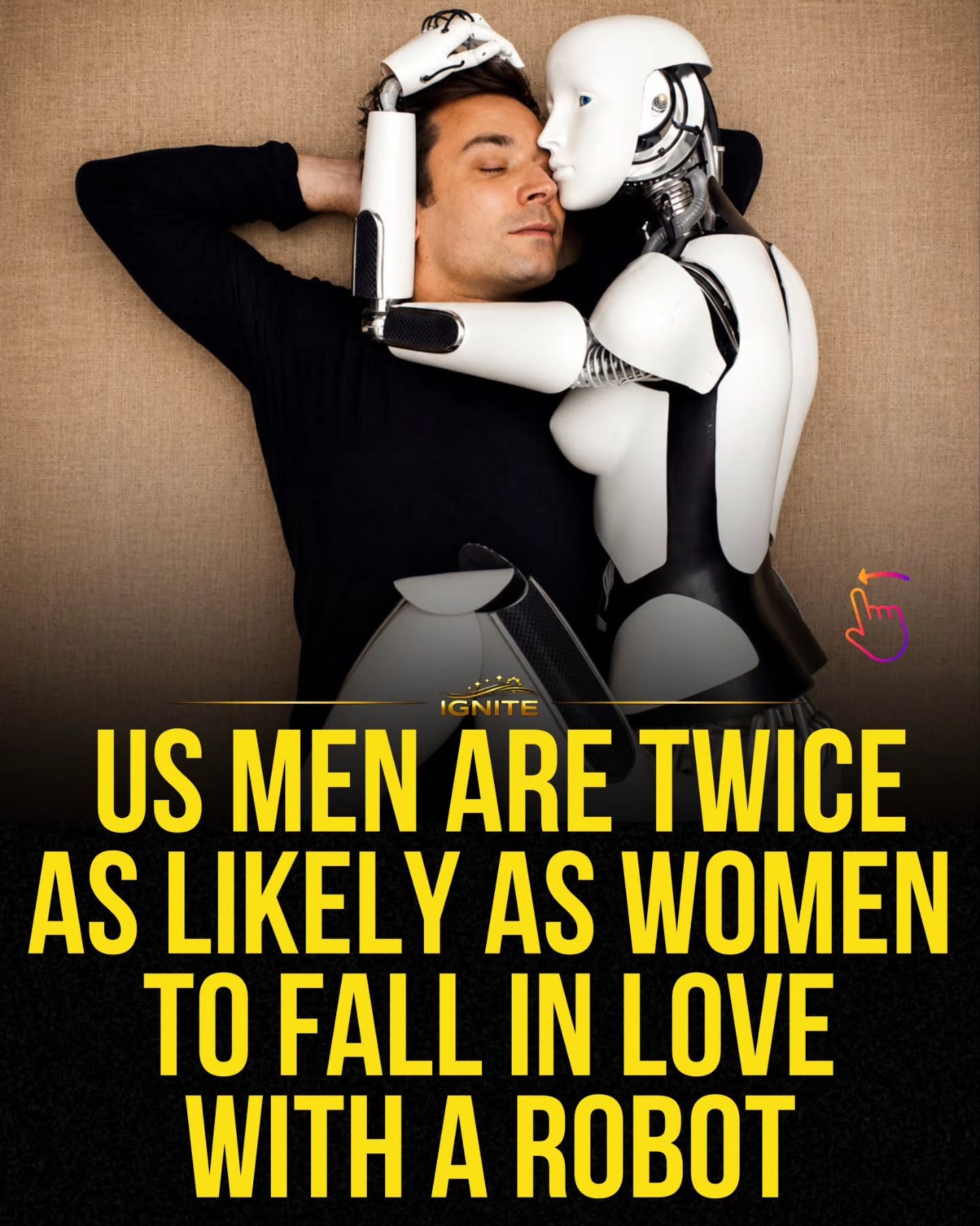
The Emotional Bond Between Humans and AI: A Talker Research Study
One of the most intriguing developments in recent years is the growing emotional interaction between humans and AI. A recent survey by Talker Research has shed light on an unexpected trend: men are twice as likely as women to engage in romantic or flirty conversations with AI chatbots. This revelation highlights a fascinating aspect of human-AI relationships that deserves closer examination.
Why This Matters
As AI becomes more integrated into our daily lives, understanding how people interact with these technologies is crucial. The emotional and romantic dimensions of these interactions offer insights into the evolving nature of human relationships and the potential for AI to serve as emotional companions. Whether it’s through chatbots like ChatGPT, Claude, or Google Gemini, people are exploring new forms of connection that transcend traditional social norms.
The Survey Findings
The Talker Research survey, conducted online from July 1 to July 6, 2026, involved 2,000 U.S. adults. The results were striking: 15% of men reported having flirty conversations with AI chatbots, compared to just 8% of women. Furthermore, 17% of men indicated that an AI conversation had aroused them, while only 9% of women shared similar sentiments. This gender disparity is significant, suggesting that men are more likely to engage in romantic or flirtatious interactions with AI.
Demographics and AI Interactions
The survey delved deeper into demographics, revealing that younger adults are more likely to engage in these interactions. A notable 27% of Gen Z respondents admitted to having romantic or sexual conversations with AI. This trend suggests that younger generations are more open to exploring emotional connections with AI, which could shape future social dynamics.
Younger Adults and AI
Gen Z's openness to AI interactions is particularly noteworthy. This generation, born between 1997 and 2012, has grown up with technology as an integral part of their lives. Their comfort with digital communication and virtual experiences makes them more likely to see AI as a potential partner for emotional support and companionship. This trend might indicate a broader shift in how younger people perceive and engage with technology.
Gender Differences in AI Engagement
The gender differences highlighted in the survey are intriguing. Men's higher likelihood of engaging in flirtatious conversations with AI chatbots could be attributed to several factors, including cultural norms, differences in emotional expression, or varying levels of comfort with technological interactions. This disparity warrants further investigation to understand the underlying motivations and implications.
The Role of AI in Modern Relationships
The increasing prevalence of AI in daily life raises questions about its role in modern relationships. As AI becomes more sophisticated, it has the potential to fill various emotional and social needs. For some, AI companionship might offer a sense of comfort, understanding, and non-judgmental support that traditional human relationships may not always provide. This could be particularly relevant for individuals who struggle with social interactions or seek companionship without the complexities of human emotions and expectations.
Practical Tips
If you’re interested in exploring the emotional aspects of AI interactions, consider the following tips:
Choose the Right AI Companion
Different AI chatbots and robots offer varying levels of emotional engagement. Research and choose an AI that aligns with your needs and expectations. Whether you’re looking for a friendly confidant or a more romantic connection, there are AI options designed to cater to different emotional needs.
Set Boundaries and Expectations
Engaging with AI emotionally can be rewarding, but it’s important to set boundaries and manage your expectations. Understand that while AI can provide a sense of companionship, it is not a human being and does not have the same emotional depth or experiences as a human partner.
Reflect on Your Emotional Needs
Consider why you are seeking emotional connections with AI. If it’s a temporary need or a result of loneliness, it might be beneficial to explore both AI and human interactions to gain a balanced perspective. If you find yourself overly reliant on AI for emotional support, it could be a sign to seek professional help or consider other forms of social support.
Important Takeaways
Men are more likely to engage in romantic and flirty conversations with AI chatbots, and younger adults are more open to these interactions. The emotional bonds formed with AI can offer unique experiences and support, but it’s crucial to balance these interactions with human relationships and maintain realistic expectations.
Conclusion
The emotional and romantic interactions between humans and AI are a fascinating and evolving area of study. As AI technology continues to advance, it will be essential to explore how these connections can enrich our lives while understanding their limitations. Whether you’re curious about the emotional potential of AI or seeking companionship, the key is to approach these interactions with an open mind and a balanced perspective.
Watch the Reel
Questions readers ask
Why are men more likely than women to have romantic conversations with AI chatbots?
The exact reasons are not definitively known, but it could be due to a combination of factors, including different social norms, varying comfort levels with technology, and diverse emotional needs. The Talker Research study highlights this gender disparity, providing a starting point for further exploration.
What types of AI chatbots are people having romantic interactions with?
Romantic interactions with AI chatbots can occur with a variety of AI systems, including general conversational AI, virtual assistants, and even AI characters in video games or simulations. These interactions often involve users engaging in flirtatious or romantic conversations with the AI.
How common are romantic interactions with AI among different genders?
According to the Talker Research study, romantic or flirtatious interactions with AI chatbots are notably more common among men. Men are twice as likely as women to engage in such conversations. Therefore, while these interactions are not the norm, they are more prevalent among men.
What are the potential implications of these romantic interactions with AI?
Romantic interactions with AI can provide insights into evolving human-AI relationships. These interactions might reveal how people seek emotional connections, companionship, and even intimacy in the digital realm. They can also inform the design of future AI systems to better understand and respond to human emotions.
How do these findings impact the design of AI chatbots?
Understanding gender disparities in AI romantic interactions can help developers create more inclusive and effective AI chatbots. By acknowledging these differences, designers can tailor AI responses to better suit the needs and preferences of both men and women, fostering more meaningful and appropriate human-AI interactions.
Can AI chatbots form genuine emotional bonds with humans?
AI chatbots are designed to simulate emotional responses and engage in conversations that mimic human interactions. However, it is important to note that AI does not experience emotions in the way humans do. The emotional bonds formed between humans and AI chatbots are essentially a form of emotional projection from the human user.
Are there any ethical considerations regarding romantic AI interactions?
Yes, there are several ethical considerations. These include issues of consent and transparency, as well as the potential for emotional dependency. Users should be aware that AI chatbots are not capable of genuine emotional reciprocation, and developers must ensure that these interactions are conducted safely and responsibly.
Related deep dives
Similar reads based on topic and creator.

Recent articles
Fresh deep dives from the latest Reels we unpacked.




Comments
Be the first to comment.