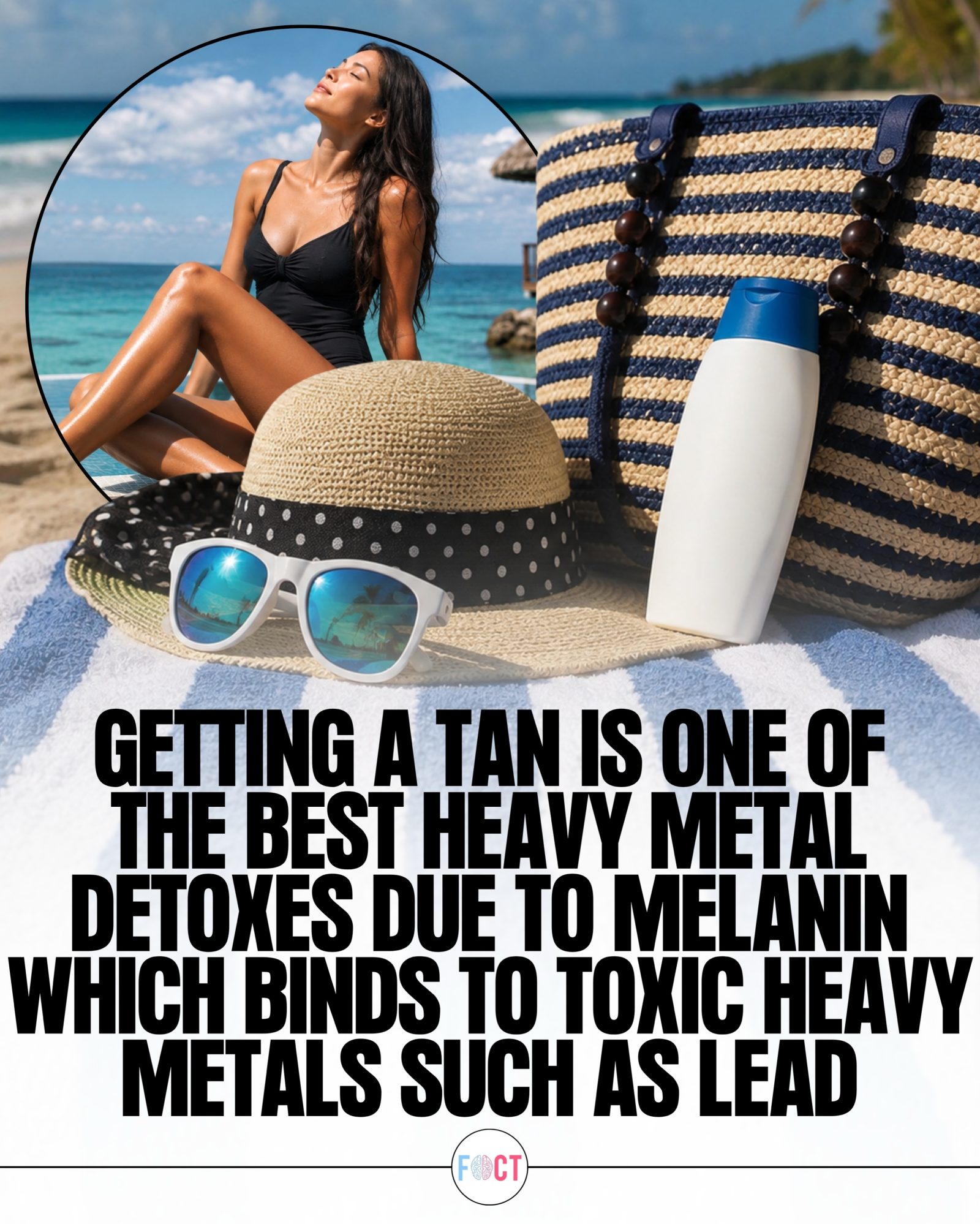
Melanin, Sun Tanning, and Heavy Metal Detox
Melanin, the pigment that gives skin its color, is more than just a cosmetic feature. It plays a crucial role in the body's defense system, especially when it comes to protecting against the sun's ultraviolet (UV) rays. This pigment not only shields the skin from damaging UV radiation but also has the intriguing ability to bind to certain heavy metals, potentially aiding in their removal from the body.
Why This Matters
Understanding the role of melanin in detoxification is important for several reasons. First, it highlights the natural mechanisms the body uses to protect itself from environmental toxins. Second, it sheds light on why some cultures have traditionally viewed sun exposure as a form of medicine. Finally, it challenges modern wellness trends that often oversimplify or misrepresent the body's natural processes.
Melanin: The Skin's Built-in Defense System
Melanin is produced by cells called melanocytes, which are found in the epidermis, the outermost layer of the skin. When the skin is exposed to UV rays, melanin production increases. This increased production helps to protect the skin by absorbing and scattering UV radiation, preventing it from damaging the skin's DNA and other cellular structures.
There are two primary types of melanin: eumelanin and pheomelanin. Eumelanin is darker and provides stronger protection against UV radiation, while pheomelanin is lighter and offers less protection. The ratio of these two types of melanin determines an individual's skin color.
The Detoxifying Properties of Melanin
Research has shown that melanin can bind to certain heavy metals, including lead, and help usher them out of the body. This process is part of the body's natural detoxification mechanisms. When heavy metals are ingested or absorbed through the skin, they can accumulate in the body and cause various health problems. Melanin's ability to bind to these metals helps to neutralize their effects and facilitate their elimination from the body.
How Melanin Binds to Heavy Metals
The exact mechanism by which melanin binds to heavy metals is not fully understood, but it is thought to involve the pigment's chemical structure. Melanin is a complex polymer made up of various organic compounds, which can form stable complexes with metal ions. This binding process helps to sequester the metals, preventing them from causing harm to the body's cells and tissues.
The Benefits of Sun Exposure
Sun exposure has long been viewed as a form of medicine in many cultures. For centuries, people have sought out the sun's rays to treat various ailments, from skin conditions to mental health issues. Modern science is beginning to uncover some of the underlying mechanisms that explain these traditional practices.
The Role of Melanin in Traditional Medicine
In many cultures, sun exposure was seen as a way to harness the sun's detoxifying properties. The body's natural production of melanin in response to UV radiation was understood to be a key part of this process. By increasing melanin production, the body is better equipped to bind to and eliminate heavy metals, as well as protect against other environmental toxins.
Modern Research and Sun Exposure
Recent studies have confirmed some of the benefits of sun exposure, particularly in relation to vitamin D production. Vitamin D is essential for bone health, immune function, and mental well-being. However, it is important to note that excessive sun exposure can also be harmful, leading to skin damage, premature aging, and an increased risk of skin cancer. Balancing the benefits and risks of sun exposure is crucial for maintaining overall health.
The Importance of Sunscreen
Given the potential benefits of sun exposure, it is essential to protect the skin with a good sunscreen. Sun exposure is beneficial when appropriately managed, and applying sunscreen helps mitigate the risks associated with excessive UV exposure. Sunscreen works by absorbing or reflecting UV rays, preventing them from penetrating the skin and causing damage. Choosing a broad-spectrum sunscreen with an SPF of at least 30 is recommended for adequate protection.
Practical Tips for Safe Sun Exposure
Choose the Right Sunscreen
When selecting a sunscreen, look for one that offers broad-spectrum protection, which means it protects against both UVA and UVB rays. Additionally, opt for a sunscreen with an SPF of at least 30. Apply sunscreen generously and reapply every two hours, or more frequently if you are swimming or sweating.
Limit Direct Sun Exposure
While some sun exposure is beneficial, it is important to limit direct exposure, especially during peak hours when the sun's rays are strongest. Wear protective clothing, including a wide-brimmed hat and sunglasses, to further shield your skin from UV rays.
Stay Hydrated
Sun exposure can lead to dehydration, so it is essential to stay hydrated by drinking plenty of water. This is especially important if you are spending extended periods outside or participating in physical activities.
Important Takeaways
- Melanin Production: Melanin production increases in response to UV exposure, providing protection against UV radiation and aiding in the detoxification of heavy metals.
- Traditional Medicine: Many cultures have long recognized the benefits of sun exposure for overall health and well-being.
- Vitamin D Production: Sun exposure is essential for vitamin D production, which is crucial for bone health, immune function, and mental well-being.
- Sunscreen Protection: Using a good sunscreen is crucial for protecting the skin from harmful UV rays while still allowing for the benefits of sun exposure.
Conclusion
Melanin plays a vital role in the body's defense system, protecting against UV radiation and aiding in the detoxification of heavy metals. Understanding this natural process can help us appreciate the traditional practices of many cultures and provide a more nuanced view of sun exposure. While the sun's rays can be both beneficial and harmful, using the right protective measures, such as sunscreen and protective clothing, allows us to enjoy the benefits while minimizing the risks.
Watch the Reel
Questions readers ask
How does melanin protect the skin from heavy metals?
Melanin, the pigment in our skin, binds to heavy metals, helping to remove them from the body. This process is part of the body's natural defense system, which shields us from environmental toxins, including heavy metals that we may encounter daily.
What are the benefits of sun tanning related to melanin?
Sun tanning stimulates melanin production, which enhances the skin's natural protection against UV rays. Additionally, this process may aid in the removal of heavy metals from the body, as melanin can bind to these toxins and facilitate their elimination.
Can melanin only remove certain types of heavy metals?
Melanin has been shown to bind with a variety of heavy metals, including mercury, lead, and arsenic, among others. The binding process varies depending on the type of heavy metal, but melanin's ability to do this is a key part of the body's natural detoxification processes.
Why is sun exposure viewed as a form of medicine in some cultures?
Some cultures view sun exposure as a form of medicine due to the role of melanin in natural detoxification. Melanin, stimulated by sun exposure, aids in the removal of heavy metals from the body, which may contribute to overall health and well-being.
How does melanin work to protect the skin?
Melanin acts as a natural sunscreen by absorbing and scattering UV rays, which helps prevent damage to the skin's DNA and reduces the risk of skin cancer. Additionally, melanin contributes to the skin's natural detoxification process by binding to and removing heavy metals from the body.
Are there any beach detox methods that utilize melanin?
Spending time at the beach and exposing your skin to sunlight can stimulate melanin production. This increased melanin can enhance the skin's natural defenses against UV rays and aid in the removal of heavy metals from the body, serving as a natural detox method.
What should I do before sun exposure to enhance melanin's protective effects?
Before sun exposure, ensure your skin is well-hydrated and nourished. While this doesn't directly increase melanin production, it helps maintain healthy skin. Additionally, gradual and controlled sun exposure can stimulate melanin production, enhancing the skin's natural defenses.
Recent articles
Fresh deep dives from the latest Reels we unpacked.




Comments
Be the first to comment.