The Role of AI and Humanoid Robots in Education
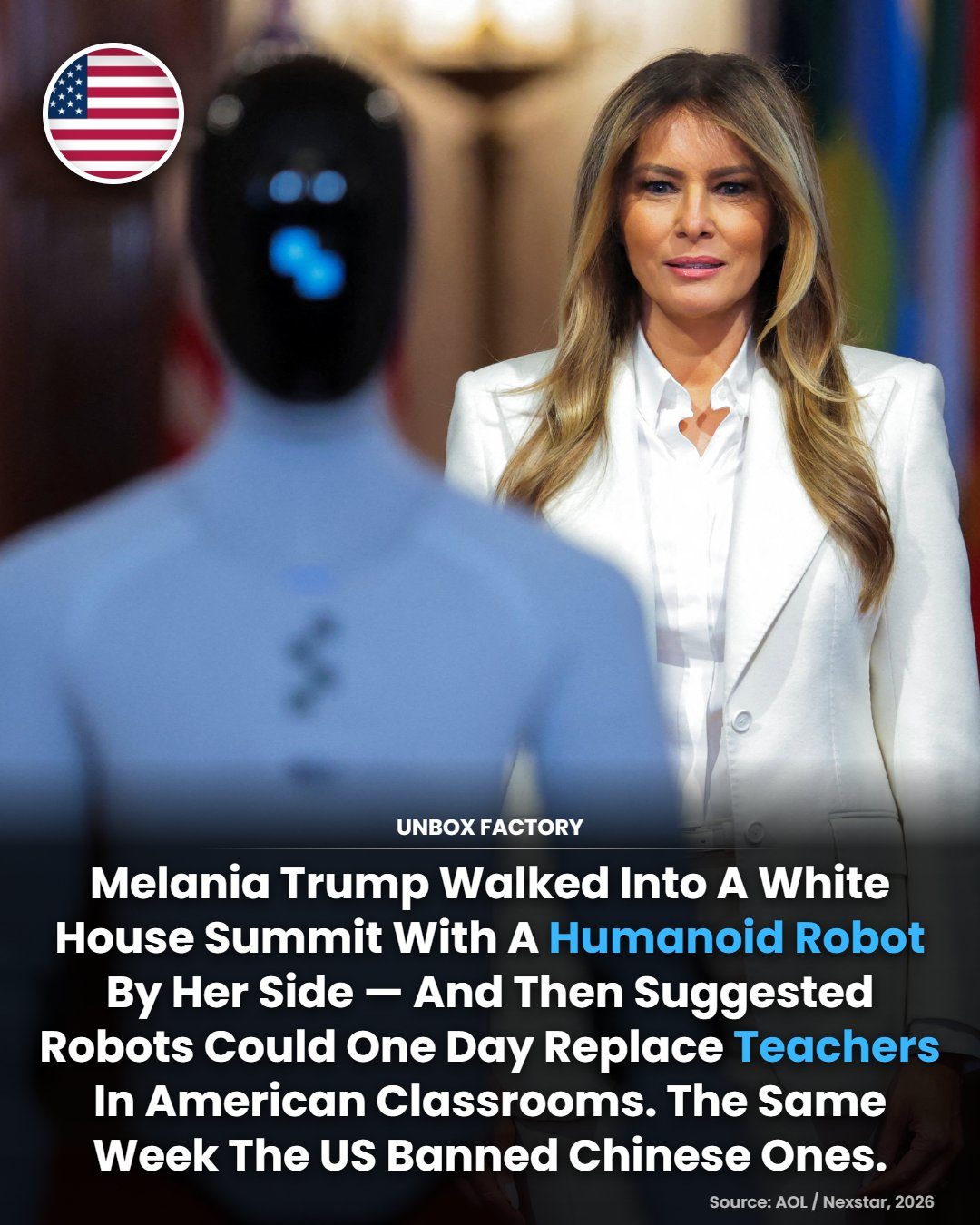
The integration of advanced humanoid robots in education is becoming increasingly prominent. The spotlight recently shone on this topic when First Lady Melania Trump attended a White House technology summit alongside a humanoid robot. The summit discussed the future of artificial intelligence in education and the potential for robots to assist or even replace teachers in certain classroom tasks.
Why this matters
The discussion around AI and robotics in education is significant for several reasons. As technology advances, its applications in various fields become increasingly complex and multifaceted. The implications for education are vast, as AI and robotics have the potential to transform how information is delivered and how students learn.
The global humanoid robotics market is predicted to surpass $100 billion annually in the next decade. This growth is fueled by the versatility of robots, which are not limited to education but are also making waves in healthcare, manufacturing, logistics, and elder care. Understanding the current developments and future possibilities in this field is crucial for educators, policymakers, and industry professionals.
Main discussion
The White House Summit: A Landmark Event
The White House technology summit was a significant event in the field of AI and robotics. It brought together key stakeholders to discuss the role of advanced robots in the classroom. One of the most notable aspects of the event was the presence of a humanoid robot. This robot showcased the potential for AI-driven technology to revolutionize education, as it demonstrated capabilities such as interactive learning, personalized instruction, and real-time feedback.
The Future of AI in Education
The summit explored the future of AI in education, focusing on how advanced robots can assist teachers. These robots are capable of handling certain tasks that typically fall under the purview of educators. For example, they can provide individualized instruction and monitor student progress, thereby freeing up teachers' time to focus on more complex educational needs.
The Ban on Chinese Robots: National Security Concerns
The event coincided with the U.S. government's decision to ban Chinese-made humanoid robots. This ban was implemented due to national security concerns, highlighting the geopolitical dimensions of AI and robotics. The move underscores the importance of securing critical technologies and ensuring that educational tools are both effective and safe.
Robots and National Security
The restrictions on Chinese-made humanoid robots raise critical questions about national security and the importance of securing critical technologies. It also highlights the need for robust cybersecurity measures in educational settings, where sensitive data and student information are frequently handled.
Ethical Considerations
As AI and robotics become more integrated into education, ethical considerations are paramount. The possibility of robots replacing teachers raises questions about job displacement and the human touch in education. It also raises concerns about data privacy, algorithmic bias, and the potential for misuse. Ensuring that AI-driven technologies are developed and implemented ethically will be crucial for their long-term success.
The Economic Impact
The economic impact of AI and robotics in education is profound. The global humanoid robotics market is expected to grow significantly, creating new opportunities for innovation and development. This growth is likely to drive investment in research and development, leading to new advancements in robotics and AI.
The economic implications extend to the job market as well. While there are concerns about job displacement, there are also opportunities for new roles in robotics and AI. Educators, policymakers, and industry professionals must work together to ensure that the benefits of AI and robotics are equitably distributed.
The Role of Human Teachers
The debate over whether robots can replace teachers touches on a fundamental aspect of education: the human touch. While robots can handle certain tasks, they cannot replicate the emotional support, empathy, and personalized guidance that human teachers provide. The future of AI in education will likely involve a hybrid model, where robots and teachers work together to provide a comprehensive educational experience.
Practical tips
When considering the integration of humanoid robots in education, several practical tips can help ensure a smooth transition:
- Assess Needs: Conduct a thorough assessment of the educational needs and goals before implementing robotic technology. Identify specific tasks that robots can handle and determine how they can complement human teachers.
- Training and Support: Provide comprehensive training and support for educators to effectively integrate AI and robotics into their teaching methods. This includes both technical training and professional development on best practices.
- Ethical Guidelines: Develop and implement ethical guidelines to ensure that AI and robotics are used responsibly. This includes addressing issues such as data privacy, algorithmic bias, and potential misuse.
- Pilot Programs: Start with pilot programs to test the effectiveness of AI and robotics in educational settings. Gather data and feedback to refine the implementation process and identify areas for improvement.
- Collaboration: Foster collaboration between educators, policymakers, and industry professionals to ensure that AI-driven technologies are developed and implemented in a way that benefits all stakeholders.
Important takeaways
The integration of AI and robotics in education is a complex and multifaceted issue. Key takeaways from the recent developments include:
- Advanced humanoid robots have the potential to revolutionize education by assisting teachers with specific tasks and providing personalized instruction.
- National security concerns have led to the ban of Chinese-made humanoid robots, highlighting the geopolitical dimensions of AI and robotics.
- Ethical considerations are paramount, and ensuring that AI-driven technologies are developed and implemented responsibly will be crucial for their long-term success.
- The economic impact of AI and robotics in education is profound, with significant growth expected in the global humanoid robotics market.
Conclusion
The future of AI and robotics in education is both exciting and challenging. As we explore new possibilities and address the complexities that arise, it is essential to approach this field with a balanced perspective. By leveraging the strengths of both human teachers and advanced robotics, we can create a more comprehensive and effective educational experience for all students.
Watch the Reel
Questions readers ask
Who attended the White House summit on AI and education, and why was it significant?
First Lady Melania Trump attended the White House technology summit alongside a humanoid robot. The summit was significant because it highlighted the growing role of AI in education and the potential for robots to assist or replace teachers in certain classroom tasks.
What are some ways AI is revolutionizing the classroom?
AI is transforming classrooms by changing how information is delivered and how students learn. AI-driven technology can personalize learning experiences, provide real-time feedback, and assist teachers in managing classroom tasks.
What did Melania Trump discuss at the AI education summit?
Melania Trump discussed the future of artificial intelligence in education and the potential for robots to assist or even replace teachers in certain classroom tasks.
How do humanoid robots enhance teaching methods?
Humanoid robots can enhance teaching methods by providing consistent and engaging learning experiences, answering student questions, and assisting with classroom management, allowing teachers to focus on other aspects of instruction.
What are the implications of AI for the future of education?
AI has vast implications for the future of education, including the potential to personalize learning, improve student outcomes, and transform teaching methods. As AI technology continues to advance, its role in education is expected to grow significantly.
Can AI replace human teachers in the classroom?
While AI and humanoid robots can assist with certain classroom tasks, it is unlikely that they will fully replace human teachers. AI can handle repetitive tasks and provide consistency, but human teachers offer emotional support, adaptability, and complex decision-making skills that are essential for effective teaching.
What trends in AI for student learning should we expect in the near future?
Near future trends in AI for student learning include more personalized learning experiences driven by AI, increased use of AI tutoring systems, greater integration of AI in educational software, and the continued development of advanced humanoid robots for classroom assistance.
Related deep dives
Similar reads based on topic and creator.




Recent articles
Fresh deep dives from the latest Reels we unpacked.




Comments
Be the first to comment.