
Rare Dolphin Sighting
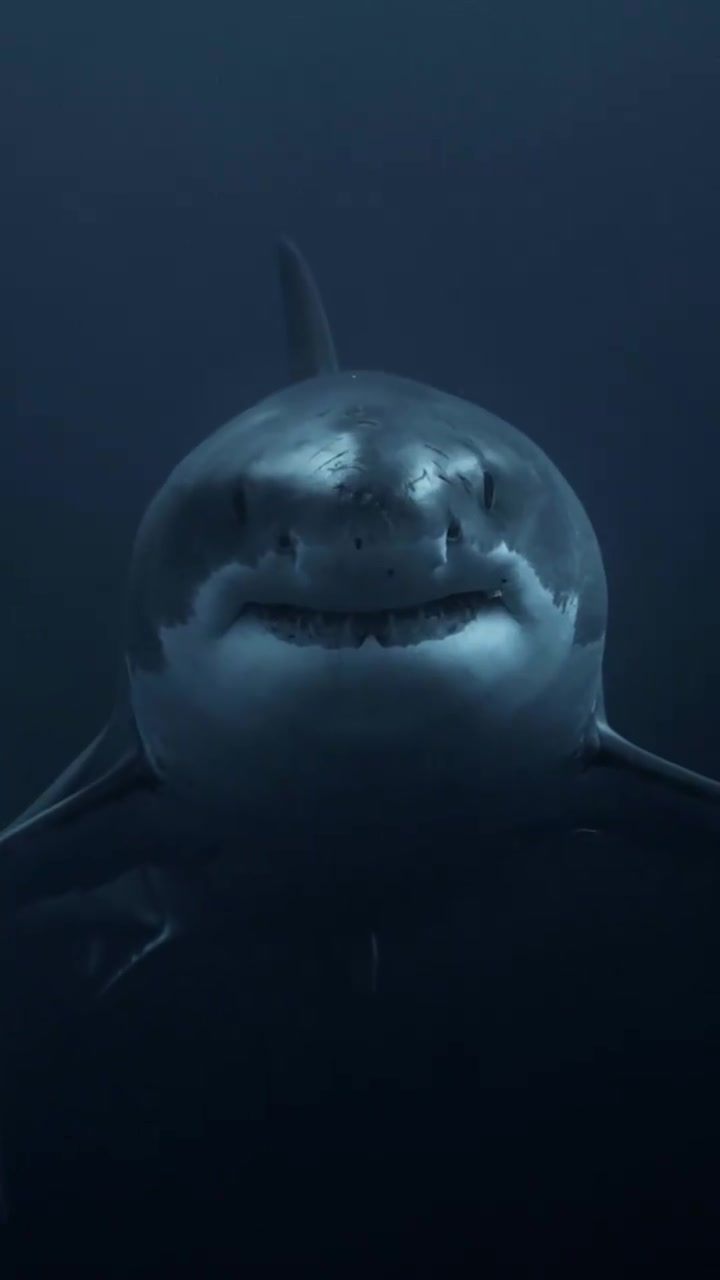
The northern right whale dolphin is a remarkable marine species known for its unique physical characteristics and fascinating behaviors. This dolphin is one of only two species without a dorsal fin, making it a standout among its peers. Recent sightings, including a notable photograph in California, have brought renewed attention to this intriguing creature.
Why This Matters
The northern right whale dolphin's unusual anatomy and social behaviors make it a subject of great interest for marine biologists and wildlife enthusiasts alike. Understanding these dolphins can provide deeper insights into marine ecosystems and the behaviors of other cetaceans.
A Unique Anatomical Feature
The Absence of a Dorsal Fin
One of the most distinguishing features of the northern right whale dolphin is the lack of a dorsal fin. This characteristic sets it apart from most other dolphin species, which typically have a prominent dorsal fin that aids in stability and maneuverability. The absence of this fin is a result of evolutionary adaptations that have allowed these dolphins to thrive in their specific habitats.
Adaptations and Benefits
The lack of a dorsal fin may seem like a disadvantage, but it actually offers several benefits. For instance, it reduces drag, allowing these dolphins to swim more efficiently. This adaptation is particularly beneficial in deeper waters, where efficiency in movement is crucial for conserving energy and navigating through complex marine environments.
Fascinating Behaviors
Synchronized Leaps
The northern right whale dolphin is renowned for its synchronized leaps. These acrobatic displays are not only visually stunning but also serve important communication and social purposes. The coordinated movements help in maintaining social cohesion and can be a form of play or signaling to other dolphins.
Superpods
Another remarkable aspect of these dolphins is their tendency to form superpods, which are large groups of dolphins that can number up to 3,000 individuals. These superpods can be observed in various regions, including the Pacific Ocean, and are a testament to the social nature of these creatures. The formation of superpods is believed to enhance communal activities, such as foraging and protection from predators.
Social Interactions and Habitat
Interaction with Other Ocean Animals
The northern right whale dolphin often swims alongside other species, particularly the Pacific white-sided dolphin. These interactions are not merely incidental; they serve various purposes, including shared foraging and social bonding. The interspecies relationships help in understanding the broader dynamics of marine communities.
Diving and Feeding Habits
These dolphins are known for their deep-diving abilities, which allow them to hunt for squid and small fish in deeper waters. Their diving skills are a result of physiological adaptations and their keen sensory abilities, which enable them to navigate and hunt efficiently in low-light conditions.
Practical Tips
Spotting Northern Right Whale Dolphins
If you're interested in observing these fascinating creatures, there are a few tips to keep in mind:
-
Timing and Location: The best time to spot northern right whale dolphins is during the summer months, particularly in the Pacific Ocean. Areas known for sightings include the waters off California and Mexico.
-
Equipment: A good pair of binoculars and a camera with a telephoto lens can greatly enhance your viewing experience. Additionally, consider using a boat or taking a guided tour to get closer to the dolphins without disturbing their natural habitat.
-
Respectful Observation: Always maintain a safe and respectful distance from the dolphins. Avoid using flash photography, loud noises, or getting too close, as these can disrupt their behavior and cause stress.
Important Takeaways
- Uniqueness: The northern right whale dolphin's lack of a dorsal fin is a unique adaptation that has significant benefits in their marine environment.
- Social Structure: These dolphins are highly social and often form large, cohesive groups called superpods. This social structure is crucial for their survival and well-being.
- Interactions with Other Species: Their interactions with other dolphin species and marine creatures provide valuable insights into marine ecosystems and social behaviors.
- Conservation: Understanding and appreciating these dolphins can contribute to their conservation. The more we learn about their behaviors and needs, the better we can protect them and their habitats.
Conclusion
The northern right whale dolphin is a captivating species with unique adaptations and behaviors that make it a subject of great interest. From its synchronized leaps and superpod formations to its deep-diving abilities and interactions with other marine life, this dolphin offers a wealth of knowledge about marine biodiversity. Whether you're a marine biologist, a wildlife enthusiast, or simply curious about the wonders of the ocean, the northern right whale dolphin is a creature worth knowing and appreciating.
Watch the Reel
Questions readers ask
What makes the northern right whale dolphin's appearance so distinctive?
The northern right whale dolphin stands out due to its lack of a dorsal fin, a feature shared with only one other dolphin species. This unique characteristic, combined with its streamlined body, makes it easily recognizable among other marine mammals.
What are some notable behaviors of the northern right whale dolphin?
Northern right whale dolphins are known for their synchronized leaps, which they often perform in groups. These acrobatic displays are not only fascinating to observe but also provide insights into their social structure and communication methods.
Why are sightings of the northern right whale dolphin in California rare?
Sightings of the northern right whale dolphin in California are rare because these dolphins typically inhabit deeper, offshore waters. Their preference for open ocean environments means they are not often encountered close to the coast, making any sighting near California a notable event.
What adaptations make the northern right whale dolphin well-suited to its environment?
The northern right whale dolphin has several adaptations that help it thrive in its marine environment, including a sleek body design for efficient swimming and a unique social structure that enhances its survival chances. Its lack of a dorsal fin also reduces drag, making it more agile while swimming in deep waters.
How do northern right whale dolphin sightings contribute to biological research?
Each sighting provides valuable opportunities for researchers to study this elusive species. Observations of their behaviors and physical characteristics can help scientists better understand marine ecosystems, the conservation needs of the species, and the broader dynamics of cetacean social structures.
What should you do if you spot a northern right whale dolphin in California?
If you spot a northern right whale dolphin in California, it is important to maintain a safe and respectful distance to avoid disturbing the animal. Documenting the sighting with photographs or videos and reporting it to local marine life authorities can contribute to ongoing research and conservation efforts.
What is the significance of the recent photograph of a northern right whale dolphin in California?
The recent photograph of a northern right whale dolphin in California is significant because it provides visual evidence of a rare sighting, which can help researchers confirm the presence of these dolphins in the region and better understand their movement patterns and behavior.
Related deep dives
Similar reads based on topic and creator.

Recent articles
Fresh deep dives from the latest Reels we unpacked.




Comments
Be the first to comment.