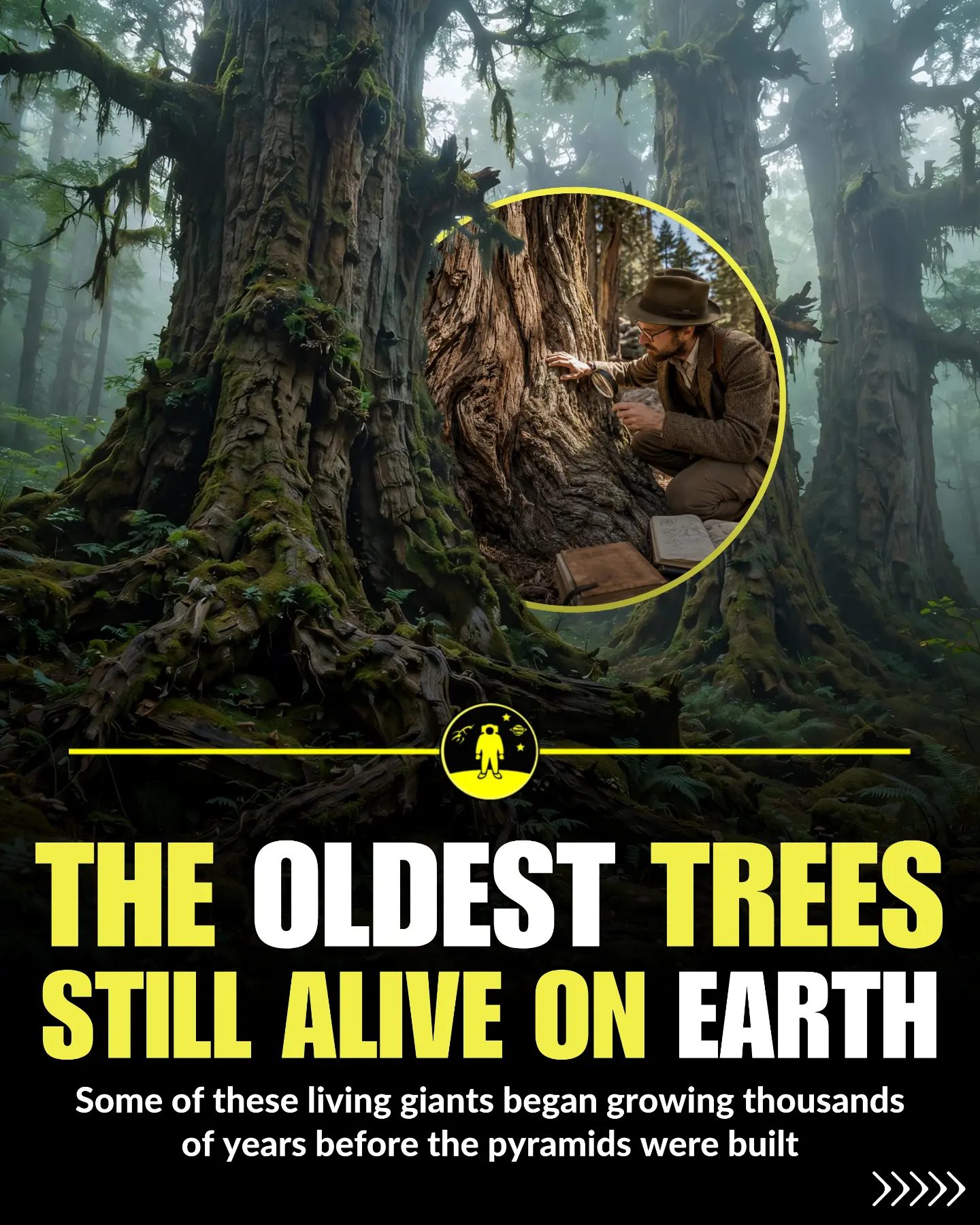
Oldest Trees on Earth
The oldest trees on Earth are living giants that have withstood the test of time, with some beginning their growth thousands of years before the pyramids were built. These ancient trees are more than just natural wonders; they are living records of Earth's history and offer profound insights into the resilience of life.
Why This Matters
These ancient trees, such as the General Sherman Tree and the Pando organism, provide valuable lessons about longevity, adaptation, and the interconnectedness of life. They serve as reminders of the natural world's enduring beauty and the importance of preserving our environment.
The General Sherman Tree and Other Ancient Giants
General Sherman Tree
The General Sherman Tree, located in California, is one of the most famous ancient trees. Standing at approximately 275 feet (84 meters) tall, it is the largest known living tree by volume. Estimated to be around 2,200-2,700 years old, the General Sherman Tree is a giant sequoia that has captivated visitors with its immense size and age.
Pando - One Living Organism
Pando, located in Utah, is another remarkable example of ancient life. Unlike the General Sherman Tree, Pando is not a single tree but a massive colony of over 40,000 genetically identical aspen stems. These stems are connected by a single root system, making Pando one of the oldest and largest organisms on Earth. Scientists estimate that Pando has survived for thousands of years, showcasing the incredible resilience and interconnectedness of nature.
Other Notable Ancient Trees
Beyond the General Sherman Tree and Pando, there are many other ancient trees that have captivated scientists and nature enthusiasts alike. For instance, the Methuselah, a Great Basin bristlecone pine located in the White Mountains of California, is believed to be nearly 5,000 years old, making it one of the oldest known individual trees. Similarly, the Old Tjikko, a Norwegian spruce in Sweden, is estimated to be around 9,550 years old, although its root system is much older.
The Science of Longevity
The longevity of these ancient trees can be attributed to several factors, including their genetic makeup, environmental conditions, and the unique ecosystems they inhabit. Understanding the science behind their longevity can provide valuable insights into aging, adaptation, and environmental conservation.
Genetic Adaptations
Ancient trees have developed unique genetic adaptations that allow them to withstand harsh conditions, resist diseases, and repair damage. For example, the DNA of the bristlecone pines helps them survive in harsh, dry environments, while the root system of Pando allows for the sharing of resources among its stems, ensuring the survival of the entire organism.
Environmental Factors
The environments in which these trees thrive play a crucial role in their longevity. The General Sherman Tree, for instance, benefits from the cool, moist climate of the Sierra Nevada, while the Methuselah tree thrives in the arid conditions of the White Mountains. These environments provide the necessary conditions for these trees to grow and survive over thousands of years.
Conservation Efforts
Preserving these ancient trees and their ecosystems is essential for maintaining biodiversity and ensuring that future generations can appreciate these natural wonders. Conservation efforts focus on protecting the habitats of these trees, monitoring their health, and preventing damage from natural disasters, human activities, and climate change.
Practical Tips for Visiting Ancient Trees
Visiting these ancient trees can be a profoundly moving experience. Here are some tips to make the most of your visit:
-
Research Beforehand: Learn about the trees and their significance before your visit. This will enhance your understanding and appreciation of these natural wonders.
-
Follow Guidelines: Respect the guidelines set by the park or forest authorities. This includes staying on designated paths, not disturbing the trees, and practicing Leave No Trace principles.
-
Weather and Timing: Plan your visit during the best weather conditions and times of the year. For example, visiting the General Sherman Tree during fall can provide a stunning backdrop of colorful foliage.
-
Safety First: Always prioritize safety. Bring essentials like water, snacks, and appropriate clothing. Be mindful of wildlife and other visitors.
Important Takeaways
Ancient trees like the General Sherman Tree and Pando offer us a unique perspective on time, resilience, and the interconnectedness of life. They remind us of the importance of conservation and the need to protect our natural heritage for future generations.
Beyond their scientific significance, these trees hold cultural and spiritual importance for many communities. They serve as symbols of endurance, wisdom, and the enduring beauty of nature.
Conclusion
The oldest trees on Earth are more than just ancient specimens; they are living testimonies to the resilience and beauty of nature. From the General Sherman Tree to Pando, these giants offer us valuable lessons about longevity, adaptation, and the importance of preserving our environment. Whether you are a nature enthusiast, a scientist, or someone seeking a deeper connection with the natural world, visiting these ancient trees can be a profound and enriching experience.
Watch the Reel
Questions readers ask
What is the significance of studying ancient trees like the General Sherman Tree and Pando?
Studying ancient trees offers profound insights into the resilience and adaptability of life. They serve as living records of Earth's history, providing valuable lessons about longevity and the interconnectedness of ecosystems.
Where can I find the oldest trees in the world?
The oldest trees are scattered globally, with notable examples in the United States, such as the General Sherman Tree in California and the Pando tree in Utah. Other ancient trees are found in various regions, including Europe, Asia, and South America.
What makes the General Sherman Tree so special?
The General Sherman Tree is renowned for being one of the largest and oldest known trees on Earth. Located in California, this giant sequoia is an iconic example of tree longevity and resilience, having withstood environmental changes for thousands of years.
How old are the oldest trees in the world?
Some of the oldest trees in the world are thousands of years old. For instance, certain specimens of the Bristlecone Pine in the Mojave Desert date back over 5,000 years, making them some of the most enduring trees on Earth.
Why is tree conservation important, especially for ancient trees?
Tree conservation is crucial for preserving the natural history and ecological balance of our planet. Ancient trees, in particular, offer unique insights into adaptation and resilience, making their preservation vital for understanding and appreciating the natural world.
What is the oldest living tree in the world?
The oldest known living tree is a Great Basin Bristlecone Pine named Methuselah, located in the White Mountains of California. Methuselah is estimated to be nearly 5,000 years old, making it one of the most enduring examples of tree longevity.
How do ancient trees adapt to environmental changes?
Ancient trees have developed unique mechanisms to adapt to environmental changes over millennia. These include slow growth rates, deep root systems, and the ability to withstand extreme conditions, making them living testaments to the resilience of life on Earth.
Related deep dives
Similar reads based on topic and creator.




Recent articles
Fresh deep dives from the latest Reels we unpacked.




Comments
Be the first to comment.