Dmitry Medvedev's Political Commentary
Dmitry Medvedev, the deputy chairman of Russia’s Security Council and a former president, sparked attention with his statement regarding the geopolitical situation.
Context / Why this matters
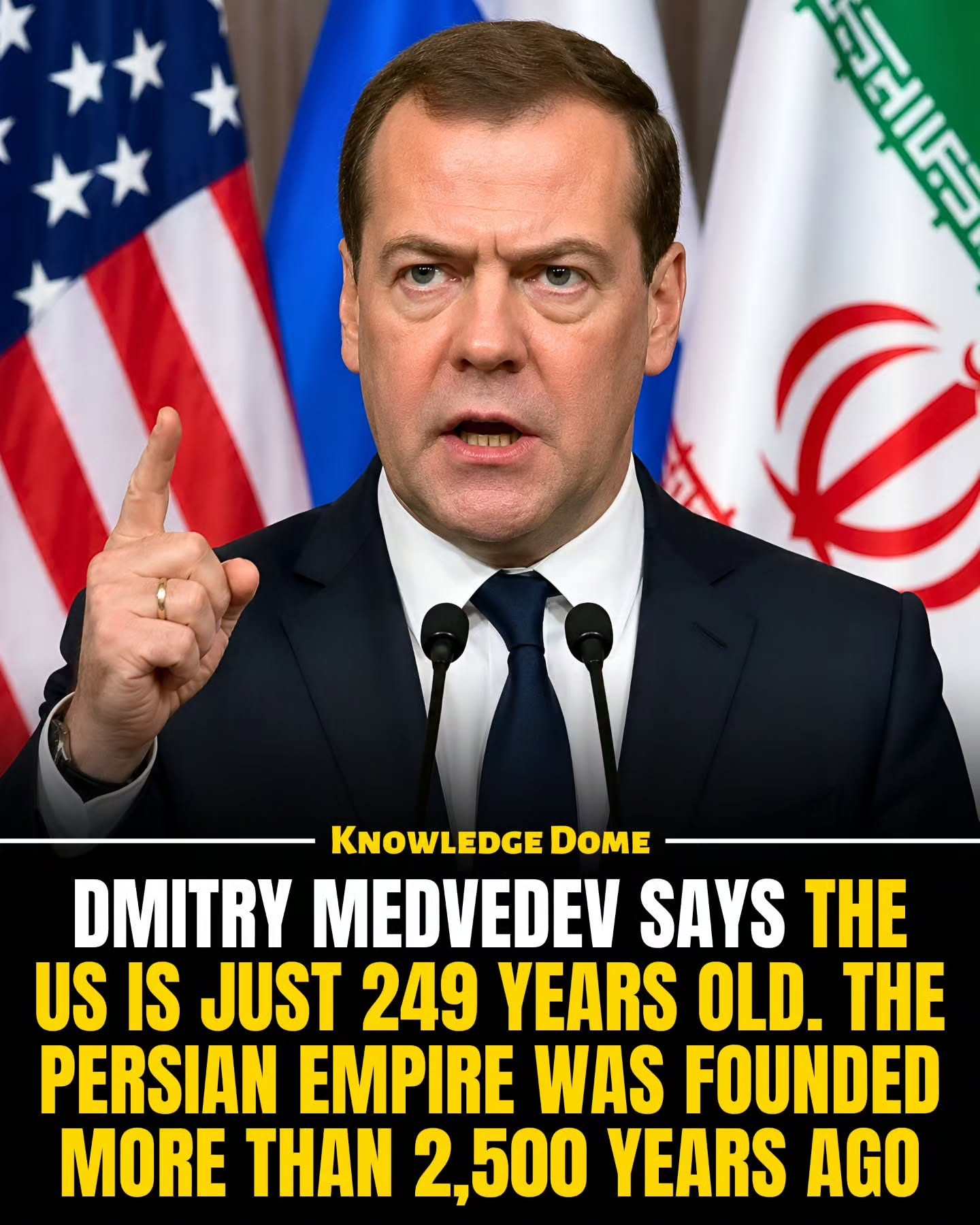
In a statement on February 28, 2026, Medvedev weighed in on the tense situation between the United States, Israel, and Iran. His remarks came after the United States and Israel conducted strikes on Iran. The deputy chairman of the Security Council criticized the ongoing discussions with Iran, suggesting they were merely a façade. Medvedev's comments highlighted the age disparity between the United States and the Persian Empire, emphasizing the historical longevity and resilience of the latter. This comparison was a way to underscore the strategic patience and historical significance of Iran.
Main discussion
Geopolitical Tensions in the Middle East
The Middle East has long been a region of significant geopolitical tension, and recent events have only heightened these tensions. The strikes by the United States and Israel on Iran were seen as a major escalation, potentially pushing the region closer to a broader conflict. The strikes were condemned by Russia, which warned of the potential for a wider crisis.
Medvedev's Historical Perspective
Medvedev’s comments about the age of the United States and the Persian Empire were a way to emphasize the historical depth and cultural resilience of Iran. By pointing out that the United States is just 249 years old, while the Persian Empire was founded more than 2,500 years ago, Medvedev was suggesting that Iran has a much longer history and may have more patience in dealing with geopolitical challenges. This comparison was a clear message to U.S. President Donald Trump and a sign of Russia's strong support for Iran.
Political and Strategic Implications
Medvedev's statement was not just a historical observation but a strategic message. By highlighting the age of the Persian Empire, he was implying that Iran, with its deep historical roots, might be more patient and resilient in the face of external pressures. This perspective is crucial in understanding Russia's geopolitical strategy and its support for Iran.
Practical tips
Understanding the historical and political context behind Dmitry Medvedev's comments can provide valuable insights into the geopolitical landscape of the Middle East. Here are some practical tips for gaining a deeper understanding of the situation:
Stay Informed
Keep an eye on news sources that provide detailed coverage of Middle East politics and geopolitics. This will help you stay updated on the latest developments and their implications.
Historical Context
Understand the historical context of the regions involved. The longevity of empires and civilizations can offer insights into the strategic patience and resilience of nations.
Geopolitical Analysis
Analyze the geopolitical strategies of major players like the United States, Israel, and Russia. Understanding their motives and actions can help predict future developments.
Cultural Understanding
Cultural awareness is crucial in geopolitical analysis. Each region and nation has a unique historical and cultural background that influences its policies and actions.
Important takeaways
Historical Depth
The historical depth and resilience of nations like Iran should not be underestimated. This perspective can provide valuable insights into their geopolitical strategies and actions.
Geopolitical Strategy
Russia's support for Iran is a strategic move, reflecting broader geopolitical goals and alliances in the region.
Ongoing Tensions
The Middle East remains a region of ongoing tensions, and any escalation could have far-reaching consequences. Understanding the historical and political context is essential for predicting future developments.
Conclusion
Dmitry Medvedev's comments on the geopolitical situation in the Middle East offer a unique perspective on the historical and strategic dimensions of the conflict. By understanding the age and resilience of empires, we can gain valuable insights into the geopolitical strategies of nations. This perspective is crucial for navigating the complex landscape of Middle East politics and for predicting future developments in the region.
Watch the Reel
Questions readers ask
What prompted Dmitry Medvedev to comment on the US-Iran tensions?
Medvedev's comments followed U.S. and Israeli airstrikes on Iran in February 2026. He used this opportunity to emphasize the longevity and resilience of Iran, drawing parallels with the enduring Persian Empire. This comparison underscored his views on the ongoing geopolitical tensions and his critique of the diplomatic engagement with Iran.
What is the significance of comparing the Persian Empire with the United States?
By comparing the Persian Empire with the United States, Medvedev highlighted the vast historical and cultural differences between the two nations. The Persian Empire, one of the oldest civilizations, has endured for millennia, while the United States is relatively young in comparison. This comparison serves to illustrate Iran's resilience and strategic patience in the face of geopolitical challenges.
What does Medvedev mean by 'strategic patience' in the context of Iran?
'Strategic patience' in this context refers to Iran's long-term approach to geopolitical challenges. Rather than engaging in immediate, reactive measures, Iran is seen as taking a patient, calculated approach, leveraging its historical longevity and cultural resilience to navigate complex situations. This patience allows Iran to endure and adapt to conflicts over extended periods, which can be a strength in protracted geopolitical struggles.
How have Medvedev's comments influenced Russia's relations with Iran and the US?
Medvedev's statements reflect Russia's broader geopolitical stance, emphasizing historical context and strategic resilience. These comments may influence Russia's diplomatic efforts, potentially strengthening ties with Iran while complicating relations with the U.S. and Israel. Russia’s position as a neutral mediator or ally can shift based on such public statements, affecting international alliances and diplomatic strategies.
What is the historical significance of the Persian Empire in Medvedev's remarks?
The Persian Empire's historical significance in Medvedev’s remarks lies in its enduring legacy and influence. By invoking the Persian Empire, he emphasizes Iran's deep historical roots and its ability to withstand centuries of geopolitical turmoil. This historical context serves to underscore Iran's resilience and strategic patience in the current geopolitical landscape, providing a powerful narrative about Iran's enduring presence.
Related deep dives
Similar reads based on topic and creator.


Recent articles
Fresh deep dives from the latest Reels we unpacked.




Comments
Be the first to comment.