Environmental Conservation in Medellín
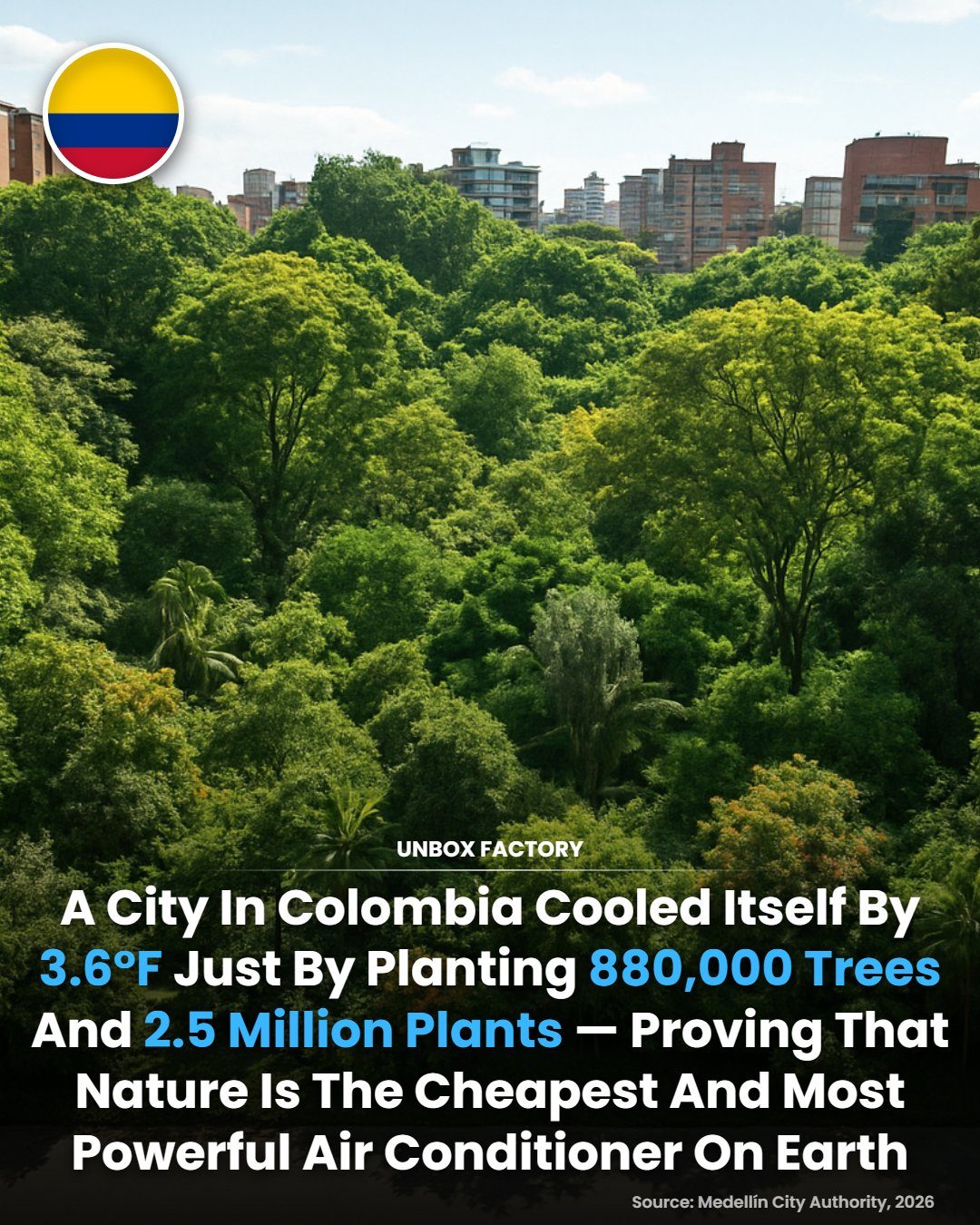
Medellín, Colombia, has set a global precedent with its innovative approach to urban greening and climate resilience. Through its Green Corridors program, the city has managed to cool itself by up to 3.6°F (2°C) through a massive tree-planting initiative.
Context / Why This Matters
In an era where urban heat islands are becoming increasingly problematic, Medellín’s strategy offers a practical solution. By integrating nature into urban planning, the city has not only mitigated the effects of climate change but also enhanced the living conditions for its residents. This approach underscores the importance of investing in green infrastructure as a cost-effective means of improving public health and environmental sustainability.
Main Discussion
The Green Corridors Program
The Green Corridors program in Medellín involved the planting of approximately 880,000 trees and 2.5 million shrubs and plants across various urban spaces, including streets, parks, rivers, and public areas. This initiative was designed to create more than 30 interconnected green corridors, which serve multiple ecological functions.
Curbing Urban Heat
One of the most significant outcomes of the Green Corridors program is the reduction of urban temperatures. The densely planted areas absorb heat and release cooler air, effectively lowering the city’s overall temperature. This natural cooling effect helps to mitigate the urban heat island phenomenon, where urban areas are typically warmer than their rural surroundings.
Improving Air Quality
The extensive vegetation in Medellín’s green corridors plays a crucial role in improving air quality. Trees and plants act as natural filters, absorbing pollutants and releasing oxygen. This not only benefits the environment but also has direct health benefits for the city’s residents, reducing incidences of respiratory diseases and other health issues related to poor air quality.
Enhancing Biodiversity
The program has also significantly boosted biodiversity in the urban environment. The creation of green corridors provides habitats for various species of birds, insects, and other wildlife, supporting a more balanced and healthy ecosystem.
Carbon Absorption
The trees and plants in Medellín’s green corridors absorb large amounts of carbon dioxide, helping to mitigate the effects of climate change. This natural carbon sequestration process is a critical component of the city’s climate resilience strategy.
Stormwater Management
Green corridors also play a vital role in stormwater management. The vegetation and soil in these areas help to absorb and filter rainwater, reducing the risk of flooding and improving water quality in local rivers and streams. This is especially important in urban areas, where impervious surfaces like concrete and asphalt can lead to excessive runoff.
Creating Cooler Neighborhoods
One of the most tangible benefits of Medellín’s green corridors is the creation of cooler neighborhoods. During extreme heat events, these green spaces provide respite from the intense urban heat, making them ideal for recreation and social interactions.
Reducing the Need for Energy-Intensive Cooling
By naturally cooling the city, Medellín’s green corridors reduce the need for energy-intensive cooling solutions. This not only lowers the city’s carbon footprint but also saves residents and businesses substantial amounts of money on cooling costs.
Practical Tips
If you’re looking to emulate Medellín’s success in your own community, consider the following tips:
Start Small
Begin by identifying areas in your community that could benefit from greenery. This could be along streets, in parks, or even in schoolyards. Start with small planting initiatives and gradually expand as resources and support grow.
Engage the Community
Community involvement is crucial for the success of any green initiative. Engage local residents, schools, and businesses in planting and maintenance activities. This not only ensures the sustainability of the project but also fosters a sense of ownership and pride among community members.
Collaborate with Local Authorities
Work closely with local authorities to secure the necessary permits and resources for your green initiatives. Collaboration can also help in integrating these projects into broader urban planning efforts, ensuring their longevity and impact.
Monitor and Evaluate
Regularly monitor the progress of your green initiatives and evaluate their impact. Use data to make informed decisions about future planting and maintenance activities. This will help in optimizing the benefits of your green spaces.
Promote Biodiversity
When selecting plants and trees, prioritize native species that support local ecosystems. Diverse plant life attracts a variety of wildlife, contributing to a healthier and more balanced ecosystem.
Incorporate Green Spaces into Urban Planning
Integrate green spaces into urban planning and development projects. This ensures that future developments are sustainable and resilient, benefiting both the environment and the community.
Important Takeaways
Medellín’s Green Corridors program demonstrates the transformative power of investing in nature. By planting 880,000 trees and 2.5 million plants, the city has managed to cool itself by up to 3.6°F, improve air quality, enhance biodiversity, and create healthier living environments. This approach serves as a global model for climate-resilient urban planning, highlighting the benefits of integrating green infrastructure into urban spaces.
The success of Medellín’s initiative underscores the importance of practical, nature-based solutions in addressing urban heat islands and climate change. By following the city’s example, communities worldwide can create greener, healthier, and more sustainable urban environments.
Conclusion
Medellín’s Green Corridors program is a testament to the power of nature in transforming urban environments. Through strategic greening initiatives, the city has not only cooled its urban spaces but also improved air quality, enhanced biodiversity, and created healthier living conditions. This model serves as a valuable example for cities worldwide, demonstrating the feasibility and benefits of integrating nature into urban planning. By adopting similar strategies, communities can achieve sustainable development and build resilience against the challenges posed by climate change.
Watch the Reel
Questions readers ask
What are Medellín's Green Corridors and how do they help the city?
Medellín's Green Corridors are extensive tree-planting initiatives that span the city. These corridors help cool urban temperatures by providing shade and evapotranspiration, which releases water vapor into the air, lowering surrounding temperatures. They have managed to reduce the city's temperature by up to 3.6°F (2°C).
How many trees were planted in Medellín's Green Corridors?
Medellín's Green Corridors involved the planting of over 880,000 trees, which is a significant number of trees that is contributing to the city's cooling and green spaces.
What are the primary benefits of Medellín's tree-planting initiative?
The primary benefits include lowering urban temperatures which mitigates the urban heat island effect, improving air quality, enhancing living conditions for residents, and contributing to the reduction of greenhouse gases.
Why is Medellín's Green Corridors program considered a pioneer in urban greening?
Medellín's initiative is considered pioneering because it has successfully integrated a large-scale tree-planting program into urban planning, demonstrating a practical and effective solution to urban heat island challenges through natural means.
How does Medellín's approach to urban greening improve public health?
The Green Corridors program improves public health by cooling the city, which reduces heat-related illnesses, and by improving air quality, which helps to reduce respiratory issues. Additionally, green spaces encourage physical activity and provide a respite from urban concrete environments.
What other cities can learn from Medellín's Green Corridors project?
Other cities can learn the importance of investing in green infrastructure as a cost-effective means of improving environmental sustainability and public health. This includes the benefits of urban forestry, such as mitigating the effects of climate change and enhancing the quality of life for residents.
What is the urban heat island effect and how do Green Corridors combat it?
The urban heat island effect is a phenomenon where urban areas are significantly warmer than their surrounding rural areas due to human activities and the built environment. Green Corridors combat this effect by providing shade, cooling the air through evapotranspiration, and reducing the amount of heat-absorbing surfaces in the city.
Related deep dives
Similar reads based on topic and creator.




Recent articles
Fresh deep dives from the latest Reels we unpacked.



Comments
Be the first to comment.