The Last McDonald's Cheeseburger in Iceland: A Fascinating Food Artifact
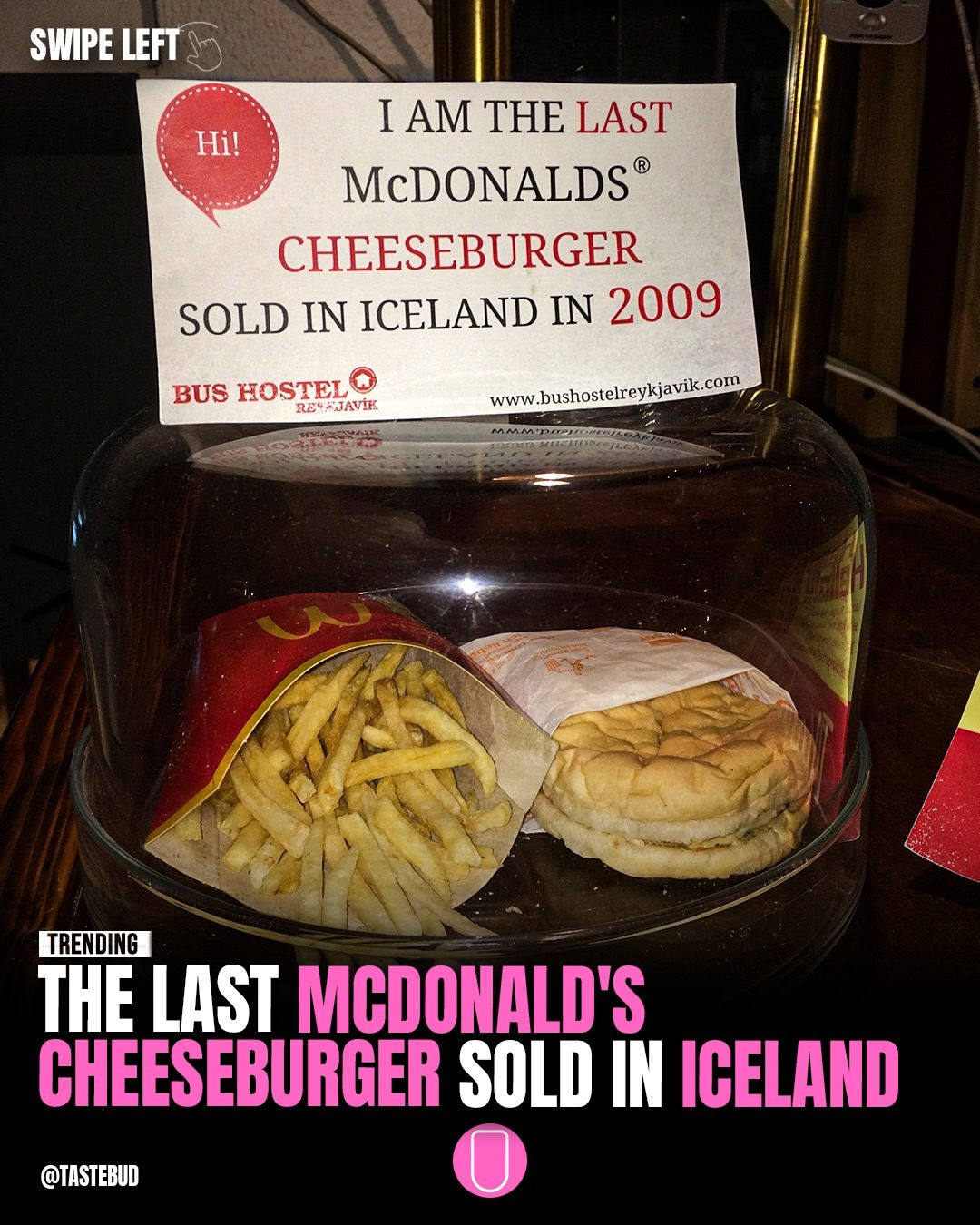
In 2009, McDonald's left Iceland, marking the end of an era for fast food enthusiasts in the country. However, one local resident's purchase on the final day of McDonald's operations has become a peculiar and enduring artifact. The last McDonald's cheeseburger and fries sold in Iceland are still on display today, preserved in a glass case in Reykjavik. This cheeseburger, in an eerily well-preserved state, has sparked curiosity and debate among viewers worldwide.
Why This Matters
The preservation of the McDonald's meal has drawn significant attention, not just for its nostalgic value, but also for the questions it raises about food preservation, environmental conditions, and display techniques. The burger's near-perfect condition has led to discussions about how these factors interplay to keep food seemingly unchanged for over a decade. This article delves into the story behind this intriguing artifact, exploring the circumstances of its preservation and the broader implications for food conservation.
The Story Behind the Last McDonald's Cheeseburger
A Souvenir of a Bygone Era
A local resident, on the last day of McDonald's operations in Iceland, decided to buy a cheeseburger and fries, perhaps as a memento or a way to mark the end of an era. What started as a simple purchase turned into a display piece that would capture the imagination of many. The meal, kept in a display case, has been a source of intrigue and discussion for years. The fact that it remains almost unchanged has led to a myriad of questions about its preservation.
The Preservation Process
The burger, enclosed in a glass dome, has remained remarkably well-preserved, prompting speculation about the factors responsible for its near-pristine condition. Several theories emerged from the public discussion, including the role of preservatives, the environment, and the storage conditions. While McDonald's menu items typically contain preservatives to extend shelf life, the extreme conditions in Iceland, characterized by cool temperatures, might have played a significant role as well. Furthermore, the controlled environment inside the glass case likely contributed to its longevity.
The Role of Preservatives
One of the most debated aspects of the meal's preservation is the role of preservatives. Fast food items, especially those like the cheeseburger, often contain additives that enhance shelf life. These preservatives can slow down the natural degradation process, which might explain why the burger has retained its shape and color. However, the unique environmental conditions of Iceland, with its cold climate, likely played a significant role in slowing down spoilage.
Environmental Factors
Iceland's climate is characterized by its consistently low temperatures, which can significantly slow down bacterial growth. This cool environment is ideal for preserving food naturally. The combination of preservatives in the food and the cold climate of Iceland likely played a significant role in maintaining the burger's condition. Additionally, the controlled environment inside the glass case, which might also include humidity control, would have further aided preservation.
Storage Conditions
The display case itself is an essential factor in the meal's preservation. The glass dome provides a sealed environment, protecting the burger from external elements such as air, dust, and microorganisms. This controlled setting, combined with the cool Icelandic climate, has likely contributed to the meal's remarkable state. The display case at Bus Hostel Reykjavik, where the burger is held, is a testament to the careful consideration given to its preservation.
Practical Tips for Displaying Food Artifacts
If you are looking to preserve food items for display, several tips can help maintain their condition:
Choose the Right Container
A glass display case, like the one used for the McDonald's burger, is ideal. It allows for visibility while protecting the contents from external elements. Ensure the container is airtight to prevent the entry of air, moisture, and dust.
Control the Environment
Environmental factors play a critical role in preserving food. For example, storing the food in a cool, dry place can slow down the degradation process. If possible, maintain a consistent temperature and humidity level to further aid preservation.
Consider Using Preservatives
Many foods naturally contain preservatives. If your food item does not, consider adding a small amount of an approved preservative. However, be cautious, as some preservatives can alter the taste and appearance of the food.
Avoid Direct Light and Moisture
Exposure to direct sunlight and moisture can significantly speed up the degradation process. Avoid placing the display in a location with direct sunlight and ensure the container is well-sealed to prevent moisture buildup.
Important Takeaways
The last McDonald's cheeseburger in Iceland is more than just a curiosity; it's a testament to the art of food preservation. Several factors, including preservatives, environmental conditions, and storage techniques, have contributed to its well-preserved state. For those interested in preserving food artifacts, understanding these factors can provide valuable insights. Whether you are a collector, a historian, or simply curious about food preservation, the story of this peculiar burger offers a fascinating glimpse into the science and art of keeping food unchanged over time.
Conclusion
The last McDonald's cheeseburger sold in Iceland before the chain left the country in 2009 serves as a remarkable artifact, preserved in a glass case in Reykjavik. The burger’s longevity raises questions about food preservation, environmental conditions, and storage techniques. Whether driven by curiosity or a desire to understand preservation methods, the story of this burger continues to captivate and educate.
Watch the Reel
Questions readers ask
Why did McDonald's leave Iceland in 2009?
McDonald's exited the Icelandic market in 2009 due to economic challenges, including a financial crisis and the high cost of importing ingredients. This departure marked the end of an era for fast food in Iceland, leaving behind a sense of nostalgia and curiosity.
How has the McDonald's cheeseburger from 2009 remained so well-preserved?
The exact preservation methods are not fully disclosed, but the unique environmental conditions of Reykjavik, combined with the controlled environment of the display case, have likely played a significant role in maintaining the burger's condition.
Who owns the preserved McDonald's meal and why was it kept?
The preserved McDonald's meal is owned by a local Icelandic resident. The individual purchased it on the last day of McDonald's operations in Iceland. They kept it as a nostalgic memento of the era.
Where can the preserved McDonald's meal be seen?
The McDonald's cheeseburger and fries are on display in a glass case in Reykjavik, Iceland. The location serves as a point of interest for both locals and tourists, drawing visitors who are curious about the well-preserved artifact.
What insights can be drawn from the preserved burger about food preservation?
The preserved McDonald's burger raises questions about the role of environmental factors and display techniques in food preservation. It highlights how certain conditions can slow down or halt the decomposition process, making it a subject of fascination for those interested in food science.
Has the public been able to view the preserved McDonald's burger?
Yes, the preserved McDonald's cheeseburger and fries have been on public display since 2009. They are housed in a glass case in Reykjavik, providing visitors with a unique opportunity to view a well-preserved artifact from the era of McDonald's in Iceland.
Related deep dives
Similar reads based on topic and creator.

Recent articles
Fresh deep dives from the latest Reels we unpacked.
Comments
Be the first to comment.