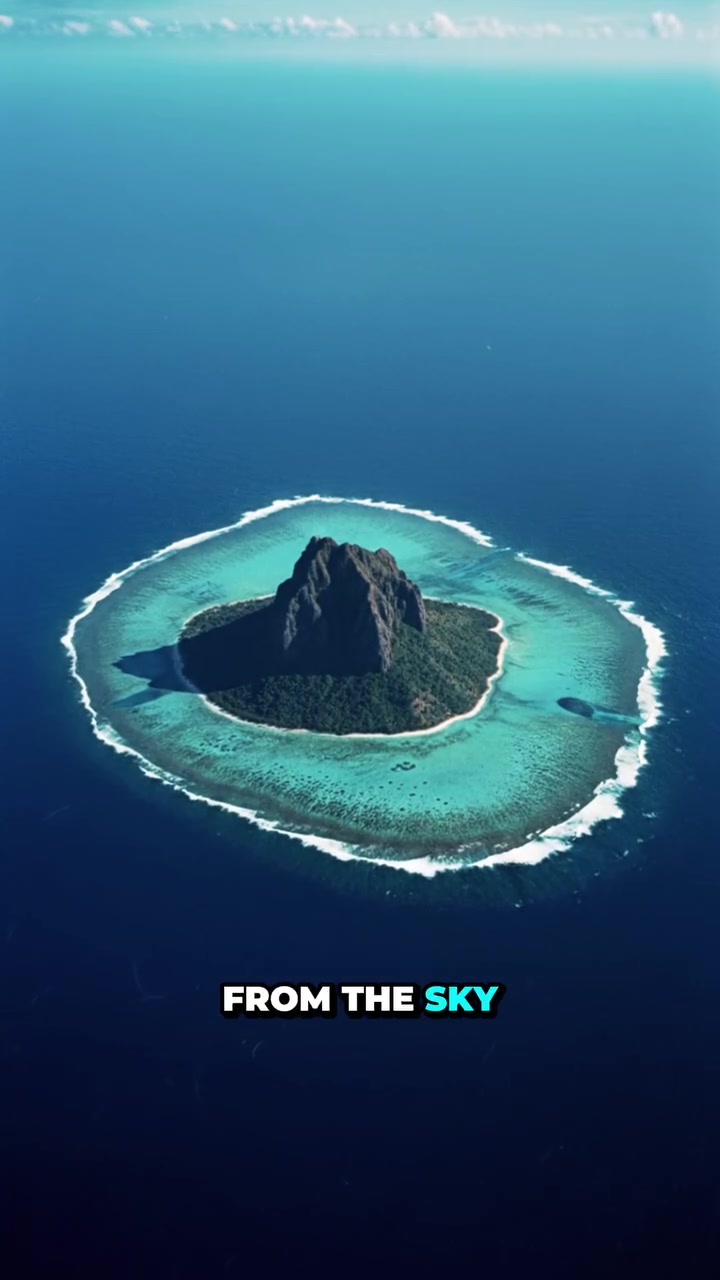
The ocean floor, off the coast of Mauritius, stages a stunning deception. Turquoise water hides an unusual phenomenon — a “waterfall” pouring into an endless abyss from above. A closer look reveals a natural illusion, where sand cascades over a 4,000m drop, mimicking a waterfall. The effect is dramatic and fooling.
The True Nature of the Luminous Illusion
The phenomenon occurs at an underwater plateau. The plateau's edge drops steeply, and powerful currents drive sand and silt over the cliff. Sand pours down the slope, refracting sunlight to mimic the movement of water. The illusion is so convincing. More than an optical phenomenon, this is sand pouring endlessly into the abyss, creating a scene of natural mesmerization. The illusion is most convincing when viewed from above. The ocean mimics the look of a waterfall in the middle of a sea, pouring into a giant hole. The illusion tricks an eye in the sky, creating the impression of a waterfall.
Optical Illusions in Nature
Nature's illusions often defy human perception, and sand waterfalls are a testament to this. The phenomenon at Mauritius highlights few key points.
Created by Forces of Nature
The illusion is created by natural forces. Powerful currents drag sand and silt over an underwater cliff that drops 4,000m. The sand spills over the edge and slides down, just like pouring water.
Unseen Wonders
These unusual natural processes often go unnoticed. The sand waterfall and similar phenomena underscore the complexity and beauty of the underwater world. While the sand waterfall is unique, other examples of nature's illusions include mirages, the phenomenon of the sky appearing to be on fire, and phytoplankton blooms that turn water shades of blue, green, and even purple.
Nature's Mastery of Illusion
Nature's illusions are often persistent and deceive viewers from Earth and above. This island in the middle of the Indian Ocean exemplifies the ingenious methods through which natural phenomena imitate human perceptions. The illusion of a waterfall is a testament to how simply natural forces can deceive eyes in the sky.
Plunge into the Details of the Sand Waterfall
The Power of Light
Light significantly contributes to the illusion. It refracts as it travels through water, distorting the perception of objects underwater, making them look darker and closer. This effect, combined with the motion of sand and silt, creates the illusion of a waterfall.
Seeing the Unseen
These natural illusions often go unnoticed. The phenomenon highlights the complexity and beauty of the underwater world, where forces and materials interact in ways that deceive the human eye.
The Mystery of the Unseen
The phenomenon shows the interplay of natural forces and materials, which under the right conditions, can mimic familiar objects, such as waterfalls. The sand waterfall, like other optical illusions, underscores how nature can fool the senses and keep its secrets hidden.
The Meer of Mauritius: A Practical Guide
Viewing this natural illusion requires careful planning and understanding. The phenomenon is best appreciated while looking down from a spot in the sky. Mauritius, an island in the Indian Ocean, is the best location where sand naturally mimics a waterfall.
The Best Free Show on Earth
Off the coast of Mauritius, nature stages a free show that you can experience from above. Whether viewed in person or in video, the illusion serves as a reminder of the world's wonders. It opens up the eyes to the intricacies of our planet and the potential for discoveries in the ocean.
Watch the Reel
Questions readers ask
What exactly causes the underwater sandfall in Mauritius to look like a waterfall?
The illusion is primarily due to powerful currents that drive sand and silt over a 4,000m underwater cliff. As the sand cascades down, it refracts sunlight, creating the appearance of a waterfall. The way light bends as it travels through water also contributes to this deceptive effect, making the sand look like it's pouring endlessly into the abyss.
Can I see the sand waterfall from the surface of the water?
Unfortunately, you can't see the sand waterfall from the surface. The illusion is most convincing when viewed from above, typically from a plane or a drone. It mimics a waterfall in the middle of the sea, pouring into a giant hole, but this view is only accessible from the sky.
Are there any similar natural illusions in other parts of the world?
Yes, there are other examples of nature's illusions. Similar to the sand waterfall, mirages create false images of distant objects or the sky appearing to be on fire. Phytoplankton blooms can also turn water into various shades of blue, green, and even purple, creating a mesmerizing yet deceptive scene.
How does the underwater cliff contribute to the illusion?
The underwater cliff plays a crucial role in the illusion. The steep drop-off allows sand and silt to cascade down, mimicking the flow of a waterfall. The powerful currents that drive this movement are essential for creating the effect, as they ensure a continuous flow of sand over the cliff's edge.
Is the sand waterfall a permanent feature, or does it change over time?
The sand waterfall is a persistent natural phenomenon, but it can vary based on currents and sediment availability. The illusion is created by ongoing natural processes, so while it's always there, its intensity and appearance might change over time. The illusion is most convincing when viewed from above, but the underlying processes are always at work.
Can you see the sand waterfall from a boat?
No, you can't see the sand waterfall from a boat. The illusion is best appreciated from above, looking down. From a boat, you won't be able to see the effect, as it requires a bird's-eye view to mimic a waterfall pouring into a giant hole.
How does the refraction of light contribute to the illusion?
The refraction of light plays a significant role in the illusion. As light travels through water, it bends and distorts the perception of objects underwater, making them look darker and closer. This effect, combined with the motion of sand and silt, creates the illusion of a waterfall, as the sand appears to be pouring endlessly into the abyss.
Related deep dives
Similar reads based on topic and creator.




Recent articles
Fresh deep dives from the latest Reels we unpacked.




Comments
Be the first to comment.