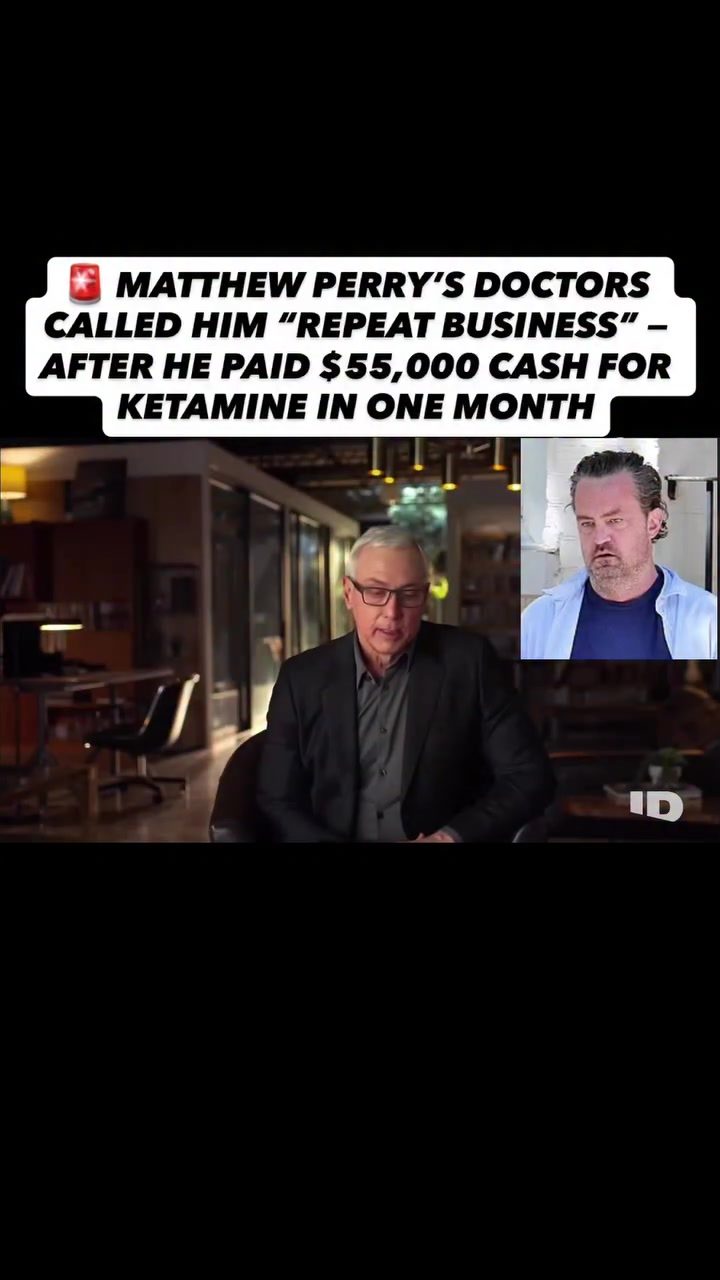
Matthew Perry’s doctors have come under intense scrutiny following revelations about their interactions with him, particularly regarding his ketamine treatment. The situation, involving significant cash payments and questionable ethics, has sparked widespread concern and outcry.
Context / Why this matters
Matthew Perry, known for his role in the popular TV show "Friends," has openly discussed his struggles with addiction and mental health. The revelations about his interactions with doctors shine a spotlight on the ethical conduct of healthcare professionals, particularly those dealing with vulnerable patients. The case raises important questions about medical ethics, the responsibilities of doctors, and the importance of treating patients with care and compassion.
Main discussion
Text Messages and Financial Exploitation
One of the most disturbing aspects of this case is the content of text messages exchanged between the doctors involved. These messages reveal a clear focus on financial gain rather than patient care. For instance, one message states, "If today goes well, we may have repeat business." This sentiment is further emphasized in a subsequent text where it’s discussed how Perry would be "best served not having to look elsewhere" so they could remain his "go-to." These messages suggest a callous disregard for Perry's well-being, treating him more like a source of income than a patient in need of care.
Lack of Concern and Follow-Up
Perhaps even more alarming is the total absence of any messages expressing concern or follow-up care. There were no inquiries about how Perry was doing after his treatments, no expressions of care, and no follow-up to ensure his well-being. This lack of concern is particularly distressing given the sensitive nature of ketamine treatment and its potential side effects. The absence of any level of concern or care after the treatments suggests that the doctors were behaving more like drug traffickers than sworn medical professionals.
Financial Exploitation
Matthew Perry paid approximately $55,000 in cash for ketamine treatment over the course of just a few weeks. This substantial financial transaction raises serious ethical questions. The sheer volume of cash payments and the short timeframe in which they were made suggest a level of exploitation. Dr. Drew Pinsky, who reviewed the text messages, described the situation as "reprehensible" and stated that there was "no excuse" for such behavior. He compared it to the behavior of drug dealers, emphasizing the stark contrast between the expected conduct of medical professionals and the actions of these doctors.
Reaction from the Medical Community
The revelations have sparked a strong reaction within the medical community. Dr. Drew Pinsky, a renowned addiction specialist, was particularly disturbed by the text messages. He underscored that such behavior is unacceptable from professionals who have taken an oath to protect and care for their patients. His reaction highlights the broader concern within the medical community about the ethical conduct of certain practitioners and the need for stricter oversight and accountability.
Ethical Implications and Responsibilities
Doctors who take an oath to protect their patients are expected to uphold high ethical standards. The case of Matthew Perry’s doctors raises critical questions about the responsibilities of healthcare providers, particularly in situations involving vulnerable patients. Doctors are expected to prioritize the well-being of their patients, provide compassionate care, and ensure follow-up and support. The case underscores the need for vigilance and accountability within the medical profession to prevent such severe lapses in ethical conduct.
How This Case Affects Public Perception
Cases like this can significantly impact public perception of the medical community. It is essential for doctors to maintain the highest standards of conduct to retain public trust. The actions of these doctors, who treated a high-profile patient with such disregard, not only harm the individual but also undermine the broader trust that the public places in medical professionals.
Practical tips
For Doctors
- Prioritize Patient Well-being: Always place patient care above financial gain. Ensure that every decision is made with the best interests of the patient in mind.
- Regular Follow-Ups: Conduct regular follow-ups to monitor the patient's progress and address any concerns or issues that may arise.
- Uphold Ethical Standards: Adhere to ethical guidelines and professional standards. Ensure that all actions and decisions align with the oath to protect and care for patients.
For Patients and Families
- Ask Questions: Don’t hesitate to ask questions about treatment plans, costs, and potential side effects. Open communication can help ensure better care.
- Seek Second Opinions: If you have concerns about your treatment, consider seeking a second opinion. This can provide additional perspectives and ensure that you receive the best possible care.
- Report Unethical Behavior: If you encounter unethical behavior from medical professionals, report it to the appropriate authorities. This can help protect other patients and maintain the integrity of the medical profession.
Important Takeaways
The case of Matthew Perry’s doctors serves as a stark reminder of the ethical responsibilities that healthcare providers hold. It highlights the dangers of financial exploitation and the importance of prioritizing patient care. For the medical community, this case underscores the need for vigilance, accountability, and adherence to ethical standards. For patients and their families, it emphasizes the importance of asking questions, seeking second opinions, and reporting unethical behavior.
Conclusion
The revelations about Matthew Perry’s interactions with his doctors have sparked widespread concern and outcry. The text messages and financial transactions highlight a disturbing lack of concern and follow-up care. The situation raises critical questions about the responsibilities of doctors and the need for ethical conduct within the medical profession. By prioritizing patient well-being, upholding ethical standards, and ensuring regular follow-ups, doctors can help maintain public trust and provide the best possible care.
Watch the Reel
Questions readers ask
What is the main issue surrounding Matthew Perry's ketamine treatment?
The primary concern involves the cash payments made to his doctors and the ethical implications of their treatment methods, especially given his history of addiction and mental health struggles.
Why are doctors facing scrutiny in the Matthew Perry case?
The scrutiny stems from the significant cash payments received and the ethical concerns surrounding the treatment of a vulnerable patient, Matthew Perry, raising questions about the responsibilities of doctors in such situations.
What role does ketamine play in this controversy?
Ketamine, a powerful anesthetic and depressant, is at the center of the controversy due to its potential misuse and the ethical considerations involved in its administration, particularly to individuals with a history of mental health issues.
What are the ethical concerns raised by the doctors' actions?
The ethical concerns include the potential for exploitation, conflicts of interest, and the prioritization of financial gain over patient well-being, especially in treating vulnerable patients.
How does Matthew Perry's public image and vulnerability factor into the discussion?
As a public figure with a well-known history of addiction and mental health struggles, Matthew Perry's case highlights the unique challenges and responsibilities doctors face when treating high-profile, vulnerable patients.
What implications does this scandal have for the medical community?
The scandal underscores the need for stricter guidelines and oversight in doctor-patient relationships, particularly in cases involving vulnerable patients and controversial treatments like ketamine.
What steps can be taken to prevent similar issues in the future?
Implementing stricter regulations on financial transactions between doctors and patients, promoting transparency, and enforcing robust ethical standards can help prevent similar controversies. Regular audits and ethical training for healthcare professionals are also recommended.
Recent articles
Fresh deep dives from the latest Reels we unpacked.




Comments
Be the first to comment.