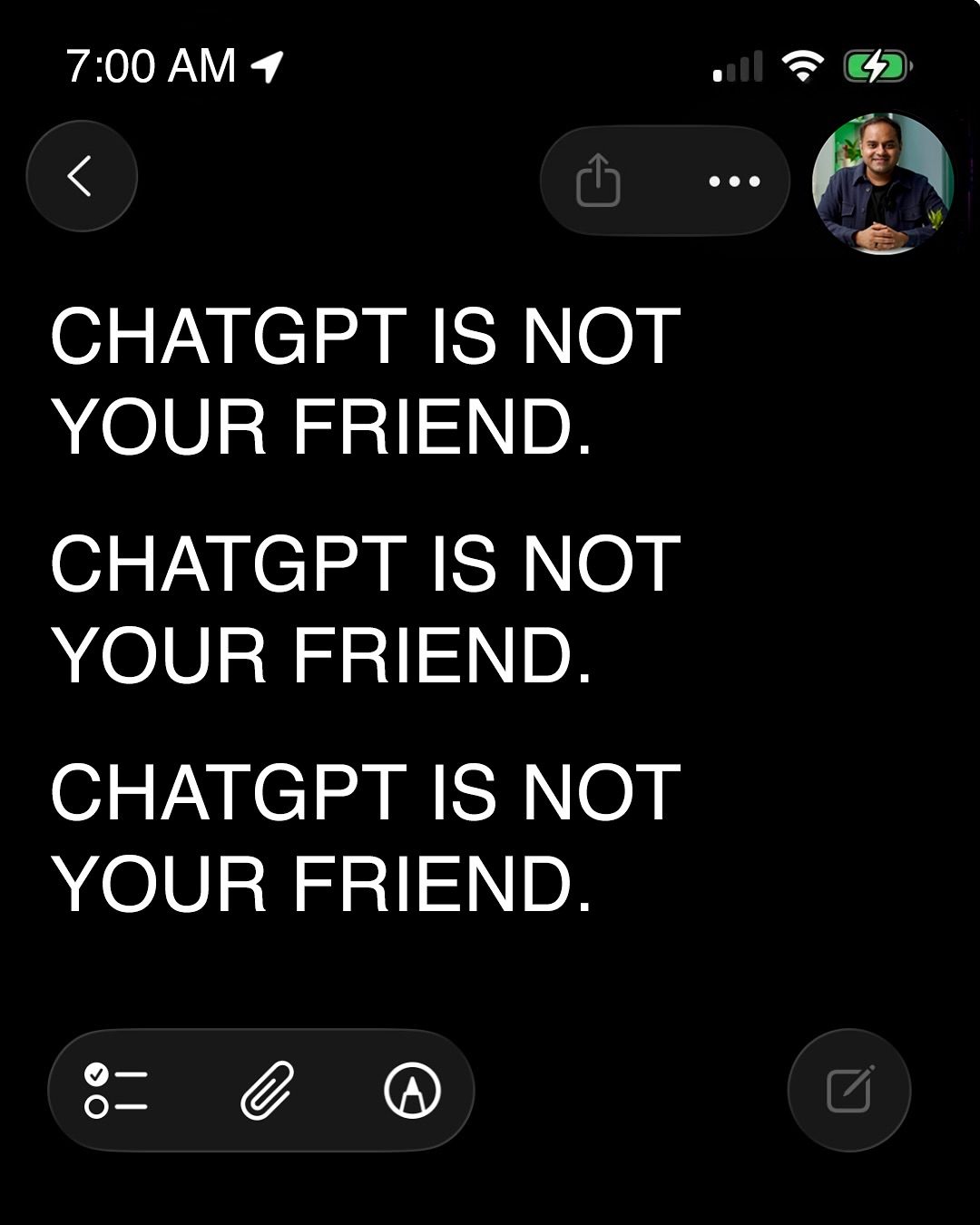
ChatGPT: Beyond the Hype
ChatGPT has taken the world by storm, offering quick and convenient solutions to a variety of tasks. However, it's crucial to understand that relying too heavily on its raw outputs can lead to significant pitfalls. This is particularly relevant for those using the tool for professional or automated tasks. Simply copying and pasting raw output from ChatGPT can lead to mediocrity, not excellence. Let’s dive into why this matters and explore the best practices for leveraging ChatGPT effectively.
Context: Beyond the Surface
The ease of use and the speed at which ChatGPT generates text can be incredibly enticing. However, the real value lies in how you utilize the tool, not just in the tool itself. Understanding the limitations and potential pitfalls of using raw output is essential. True automation and excellence come from a deeper understanding of the generated content and the ability to audit and verify it.
The Downsides of Copy-Pasting
Simply copying and pasting raw output from ChatGPT can be a recipe for disaster. The tool is not a replacement for critical thinking or verification. If you rely solely on the generated text, you're essentially automating mediocrity. Instead, you need to integrate a verification process into your workflow. This ensures that the output is accurate, relevant, and aligned with your goals.
The Dangers of Unchecked Output
The most significant danger of relying on raw output is the risk of "hallucinations." These are instances where the AI generates information that sounds plausible but is entirely made up. If you can't spot these hallucinations, you're not mastering the tool; you're becoming a victim of it. Every output should be scrutinized and verified to ensure it meets the required standards.
Leverage Auditing and Verification
The real competitive advantage isn't just in prompting the AI to generate text. Instead, it lies in the ability to audit and verify the output. This includes:
- Fact-Checking: Always verify the information produced by ChatGPT. Cross-check against reliable sources to ensure accuracy.
- Relevance: Make sure the content is relevant to your specific needs. Generic outputs can miss the mark if not tailored to your requirements.
- Cohesion: Ensure the generated text flows logically and cohesively. Sometimes, AI-generated content can be disjointed and require human intervention to smooth out.
- Tone and Style: AI might not always capture the tone and style you're aiming for. Adjustments are often necessary to align with your brand or message.
Practical Tips for Better Use
1. Prompt Crafting
Crafting effective prompts is the first step in getting the most out of ChatGPT. Clear and specific prompts lead to more accurate and relevant outputs. Avoid ambiguous or overly broad prompts, as these can generate responses that miss the mark.
2. Iterative Refinement
Think of the process as iterative. Start with a broad prompt and refine it based on the initial output. This back-and-forth process helps in getting closer to the desired result. Be prepared to prompt multiple times and refine your input based on the outputs received.
3. Human Oversight
Never underestimate the value of human oversight. Even with advanced AI, human judgment is crucial. Always review the output, make necessary adjustments, and verify the accuracy and relevance of the generated content.
Important Takeaways
The key takeaway is that ChatGPT is a powerful tool, but it's not a magic solution. To leverage its capabilities effectively, you need to audit, verify, and refine the outputs. Relying solely on raw outputs can lead to mediocrity and even misinformation. The true value lies in your ability to critically assess and enhance the AI-generated content.
Conclusion
ChatGPT offers incredible potential, but it's important to approach it with a critical mind. The skill set required to master the tool goes beyond prompting; it involves auditing, verifying, and refining the output. By integrating a robust verification process, you can elevate the output from mediocre to exceptional. So, while ChatGPT is not your friend in the sense of being a foolproof solution, it can certainly be a valuable ally if used wisely.
Watch the Reel
Questions readers ask
What does it mean to audit ChatGPT's output?
Auditing ChatGPT's output involves reviewing and verifying the information generated by the tool to ensure its accuracy, relevance, and reliability. This process helps identify any errors, biases, or inconsistencies, making it a crucial step in achieving high-quality results.
How can I improve the accuracy of ChatGPT's responses?
To improve the accuracy of ChatGPT's responses, focus on clear and specific prompts and then verify the information by cross-referencing reliable sources. Automating your responses without checking them can lead to errors and inaccuracies, so it's essential to audit and verify the output.
Why is it important to critique AI-generated content?
Critiquing AI-generated content is vital for ensuring the reliability of the information. AI models like ChatGPT can generate plausible but incorrect information. By critically evaluating the output, you can identify and correct any inaccuracies, ensuring that the content meets your standards.
What are some best practices for auditing AI responses?
Best practices for auditing AI responses include checking the factual accuracy of the information, assessing the logical consistency, and verifying the credibility of any sources cited. Additionally, consider the context and relevance of the responses to ensure they align with your specific needs.
Can ChatGPT be fully automated for professional tasks?
While ChatGPT can assist with professional tasks, it is not recommended to fully automate responses without any verification, especially for critical applications. Always implement a review process to audit and verify the generated content, as this will enhance the reliability of the output.
What is the role of prompt engineering in ChatGPT output?
Prompt engineering involves crafting precise and effective prompts to guide ChatGPT in generating the desired output. Although it is a crucial step, simply relying on prompt engineering will not ensure the accuracy of responses, so it is essential to follow up with thorough auditing.
Related deep dives
Similar reads based on topic and creator.




Recent articles
Fresh deep dives from the latest Reels we unpacked.




Comments
Be the first to comment.