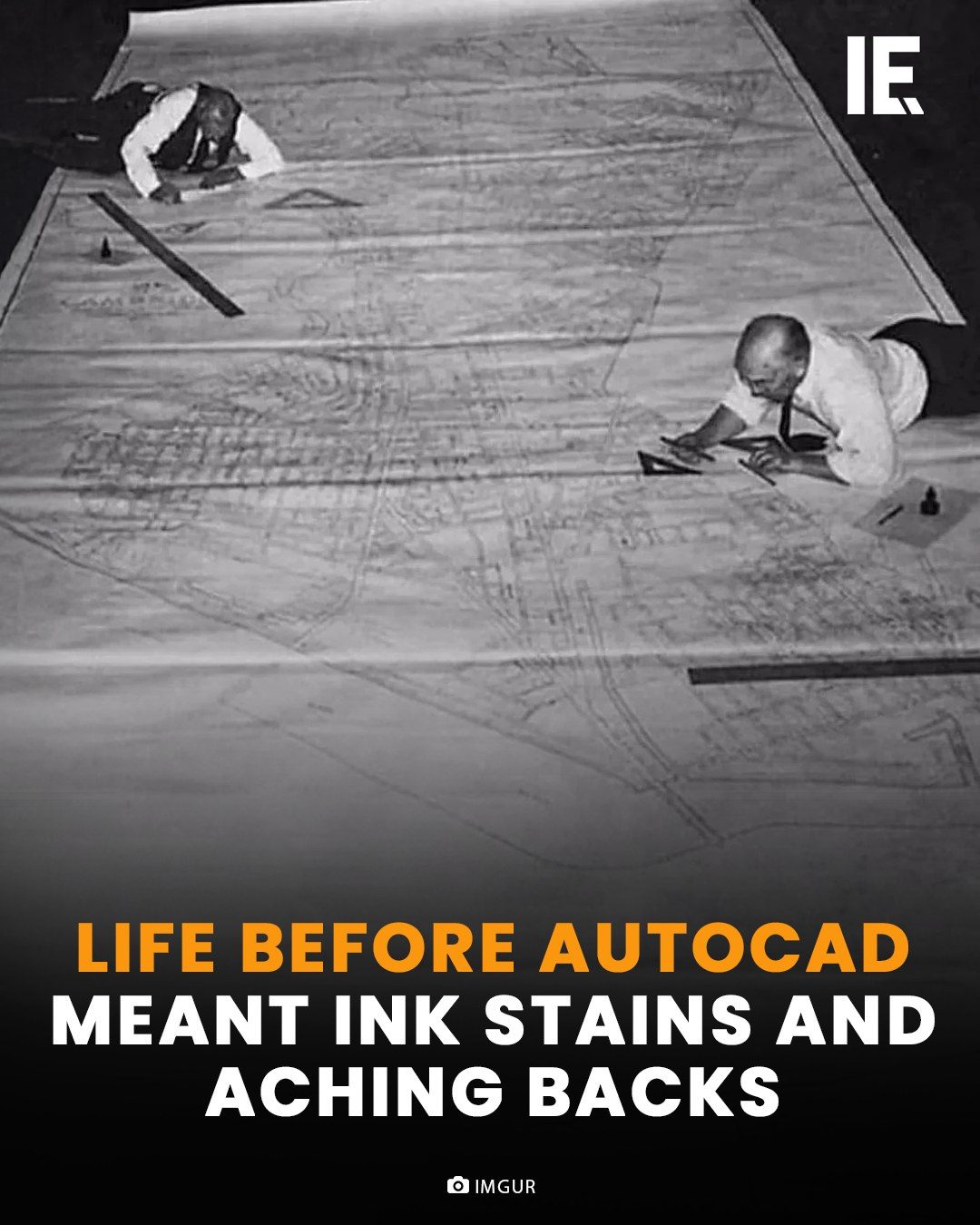
Drafting Tables: A Look into Manual Technical Drawing
Before the digital age, architects and engineers relied heavily on drafting tables to create precise technical drawings. This meticulous process required not only skill but also immense patience and dedication. Let's delve into the world of drafting tables, exploring their historical significance, the techniques involved, and how they compare to modern digital tools like AutoCAD.
Context / Why this matters
Understanding the traditional methods of technical drawing provides valuable insights into the evolution of engineering and design. It highlights the precision, patience, and dedication required to create intricate drawings by hand. This historical context is crucial for appreciating the advancements in digital design tools and the benefits they bring to modern engineering.
Main discussion
The Role of Drafting Tables in Engineering
Drafting tables have been an indispensable tool for architects and engineers for centuries. These large, often adjustable tables are designed to provide a flat, smooth surface for creating detailed drawings. The tables are typically outfitted with a parallel ruler and other drafting tools to ensure accuracy and precision.
Architects and engineers would spend countless hours at their drafting tables, meticulously sketching everything from individual buildings to entire cities. This process demanded a high level of skill and attention to detail. Each line and curve had to be precise, as any mistake could have significant implications for the final structure.
Traditional Drafting Tools
The traditional tools used with drafting tables included pencils, rulers, compasses, and ink. These tools required a steady hand and a keen eye for detail. Pencils were used for initial sketches, while ink was applied for final, detailed drawings. The contrast between the rough pencil lines and the smooth, final ink lines was a hallmark of traditional drafting.
Drafting tables were also used with tracing paper, allowing engineers to create multiple iterations of a design without starting from scratch. This method was particularly useful for making revisions and adjustments. The use of tracing paper also helped in creating multiple copies of a design, which was essential for sharing and collaborating on projects.
The Evolution from Manual to Digital
The advent of AutoCAD and other digital design tools revolutionized the field of engineering and architecture. These tools allowed for greater precision, faster revisions, and easier collaboration. However, the transition from manual drafting to digital design was not without its challenges.
One of the most significant changes was the shift from a physical, hands-on approach to a more abstract, digital process. While digital tools offered greater flexibility and efficiency, they also required a new set of skills. Engineers and architects had to learn how to use software programs, understand digital file formats, and adapt to new workflows.
The introduction of AutoCAD and other digital design tools also had a significant impact on the way drawings were created and shared. Digital files could be easily duplicated, stored, and shared, making collaboration more efficient. This digital shift also allowed for the integration of other design elements, such as 3D modeling and simulation, which were not possible with traditional drafting tools.
The Human Element in Drafting
Despite the precision and efficiency of digital tools, many architects and engineers still appreciate the human touch of traditional drafting. The physical effort and potential discomfort involved in pre-digital drafting, such as ink stains and aching backs, are part of the process that adds a personal touch to the work.
The tactile experience of drawing on paper provides a unique connection to the design. The feel of the pencil on the paper, the careful crafting of each line and curve, and the physical manifestation of the design give a sense of ownership and pride in the work. This human element is something that digital tools cannot fully replicate, and it is a significant part of the appeal of traditional drafting.
The Legacy of Drafting Tables
While drafting tables are no longer the primary tool for technical drawings, they remain an important part of engineering and architectural history. Many institutions and museums display vintage drafting tools and tables, providing a glimpse into the past and preserving the legacy of traditional drafting.
In some educational settings, drafting tables are still used to teach the fundamentals of technical drawing. This hands-on approach helps students understand the importance of precision and attention to detail, skills that are still relevant in the digital age.
Practical tips
For those interested in exploring traditional drafting or incorporating it into their modern workflow, here are some practical tips:
- Choose the Right Tools: Invest in high-quality drafting tools, including a good drafting table, parallel rulers, compasses, and a set of drawing pens and pencils.
- Practice Regularly: Like any skill, drafting requires practice. Spend time each day working on your drawing techniques to improve your precision and speed.
- Use Tracing Paper: For making revisions and adjustments, tracing paper can be a valuable tool. It allows you to create multiple iterations of a design without starting from scratch.
- Master Digital Tools: While traditional drafting has its charm, digital tools offer unmatched precision and efficiency. Learning to use software like AutoCAD can greatly enhance your workflow and productivity.
Important takeaways
The evolution from manual drafting to digital design has been a significant milestone in the field of engineering and architecture. Drafting tables and traditional tools played a crucial role in the precision and detail required for technical drawings. The advent of AutoCAD and other digital tools has revolutionized the industry, offering greater flexibility, efficiency, and collaboration. However, the human element and the tactile experience of traditional drafting still hold a special place in the hearts of many engineers and architects.
Conclusion
Drafting tables and the traditional methods of technical drawing represent a rich history of precision, patience, and dedication. While digital tools have largely replaced these methods, understanding the techniques and tools of the past provides valuable insights into the evolution of engineering and design. Whether you are an architect, an engineer, or simply someone fascinated by the art of technical drawing, exploring the world of drafting tables offers a unique perspective on the intersection of art and engineering.
Watch the Reel
Questions readers ask
What tools were commonly used in manual drafting before the advent of AutoCAD?
Before AutoCAD, manual drafting relied on a variety of tools, including drafting tables, rulers, compasses, protractors, and ink. These tools allowed architects and engineers to create precise and detailed technical drawings by hand.
Why were drafting tables essential in the manual drafting process?
Drafting tables were crucial for maintaining a flat, stable surface for creating precise drawings. They often had built-in adjustments for slope and height, allowing drafters to work comfortably and accurately for extended periods.
How did engineers and architects ensure precision in their manual drafts?
Precision in manual drafting was achieved through careful measurement, the use of specialized tools, and multiple layers of ink. Drafters employed techniques such as parallel line guides and compass arcs to maintain accuracy throughout the drawing process.
What were some of the challenges faced during the manual drafting process?
Manual drafting required immense skill, patience, and dedication. Common challenges included maintaining consistency in line thickness, avoiding mistakes, and the labor-intensive process of erasing and re-drawing. Even small errors could necessitate significant corrections.
How did the manual drafting process influence the development of digital design tools?
The meticulous techniques and precision required in manual drafting laid the groundwork for the development of digital design tools like AutoCAD. Understanding the manual process helps in appreciating the advancements and efficiencies brought about by digital drafting.
What role did ink play in the manual drafting process?
Ink was a critical component in manual drafting, used to create permanent and precise lines. Drafters would often use India ink or other types of technical ink that provided consistency and longevity, ensuring their drawings remained legible and accurate over time.
Did different professionals specialize in different types of manual drafting?
Yes, different professions had specialized in various types of manual drafting. For instance, architectural drafting involved creating blueprints for buildings, while engineering drafting focused on detailed schematics for machinery, systems, and infrastructure. Each field required a unique set of skills and techniques.
Related deep dives
Similar reads based on topic and creator.



Recent articles
Fresh deep dives from the latest Reels we unpacked.




Comments
Be the first to comment.