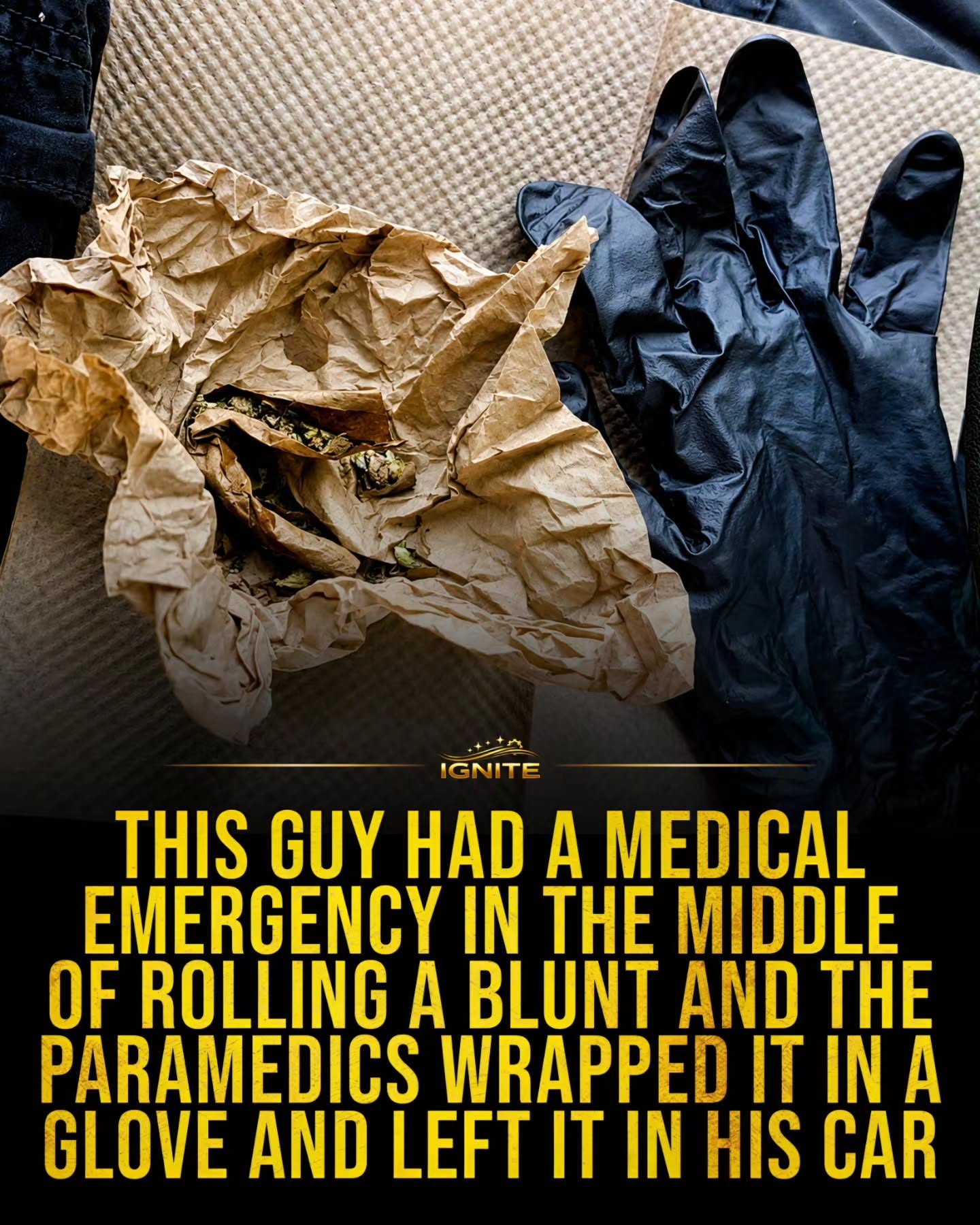
Medical Emergencies and Blunts: What Happens on Scene
Medical emergencies can happen anywhere, and paramedics are trained to handle situations of many kinds. One particular instance, recently highlighted by the brand IGNITE, draws attention to an unexpected scenario: a medical emergency occurring during the act of rolling a blunt. While it's important to note that this article does not endorse or condemn the use of tobacco or cannabis products, the event raises practical questions about how paramedics manage such situations and their standard procedures.
Context / Why This Matters
When paramedics respond to a medical emergency, their primary goal is to stabilize the patient and get them to a hospital for further care. In the scenario described by IGNITE, a man experienced a medical emergency while rolling a blunt. This specific detail about the blunt is crucial for understanding the precautions paramedics take to preserve evidence or personal items, and to maintain their professional and legal standards.
Main Discussion
Scene Management
Paramedics are trained to handle various situations, but every call is unique. When they arrive at a scene, their primary concern is the patient's well-being. In cases like the one described, where a blunt is involved, paramedics must also consider the potential legal and practical implications of the surrounding items.
Handling of Personal Items
The handling of personal items, such as a partially rolled blunt, can vary based on the policies and protocols of the paramedic team or the hospital they work with. In the scenario described, the IGNITE paramedics wrapped the blunt in a glove and left it in the man's car. This approach ensures that the item is preserved and not mishandled, which can be crucial for legal reasons and evidence preservation.
Legal and Liability Considerations
When dealing with substances that could have legal implications, paramedics must consider the legal and liability aspects of their actions. By handling the blunt carefully and leaving it in the patient's car, paramedics can avoid potential legal issues and maintain the integrity of the evidence. This action also ensures that the patient's personal items are treated with respect and handled safely.
Practical Tips
For Individuals
If you or someone else experiences a medical emergency while handling substances like tobacco or cannabis, it's important to:
- Focus on the medical emergency: Ensure that your primary concern is the medical condition at hand.
- Be transparent: Inform paramedics about any substances involved to ensure they can handle the scene appropriately.
- Keep personal items secure: If possible, keep any items that may be of legal concern in a secure location to prevent tampering.
For Paramedics
When responding to medical emergencies that involve substances like tobacco or cannabis, consider the following:
- Prioritize Safety: Always prioritize patient safety and stabilization.
- Preserve Evidence: Handle personal items carefully to preserve evidence and maintain legal integrity.
- Follow Protocols: Adhere to the protocols and guidelines provided by your organization and local laws to ensure that all actions are legally sound.
Important Takeaways
Medical emergencies can happen at any time and in any context. Paramedics are trained to handle a variety of situations and must consider legal and practical implications when dealing with personal items. By prioritizing the patient's well-being and handling personal items carefully, paramedics can ensure that legal and medical standards are met.
Conclusion
The scenario described by IGNITE provides a unique perspective on how paramedics handle medical emergencies that involve personal items such as blunts. By focusing on patient safety, preserving evidence, and following protocols, paramedics can navigate these situations effectively. Whether you're a paramedic or an individual, understanding these procedures can help ensure that medical emergencies are handled responsibly and legally.
Watch the Reel
Questions readers ask
What are the first steps paramedics take when responding to an unexpected medical emergency, such as one occurring while rolling a blunt?
When paramedics arrive at the scene of an unexpected medical emergency, their first priority is to assess the patient's condition and stabilize their vital signs. They follow standard emergency response procedures to ensure the patient is safe and can be transported to a hospital. In the case of a medical emergency during an activity like rolling a blunt, paramedics focus on the medical needs first, setting aside any contextual details until the patient is stabilized.
How do paramedics balance patient care with legal and practical considerations in unusual situations?
Paramedics are trained to balance patient care with legal and practical considerations by prioritizing the patient's health and safety. In unusual situations, such as a medical emergency during an activity involving a blunt, they will attend to the medical needs first. After the patient is stabilized, they may need to consider legal aspects, but their primary focus remains on providing the best possible care.
What procedures do paramedics follow when dealing with a medical emergency in a situation involving a blunt?
In a situation involving a medical emergency during the act of rolling a blunt, paramedics follow standard emergency response procedures. They assess the patient, stabilize their condition, and transport them to the hospital. The specifics of the situation, such as the presence of a blunt, do not change the core procedures but may influence additional considerations, such as documentation, after the patient's condition is stable.
Can paramedics be held liable for actions taken during an emergency response to a medical emergency involving a blunt?
Paramedics are protected by laws that govern emergency response actions. They are expected to act in good faith and follow standard protocols. In the event of a medical emergency involving a blunt, as long as they adhere to these protocols and prioritize the patient's health, they are generally shielded from liability. The focus remains on providing effective and timely medical care.
How do paramedics handle evidence or substances present at the scene of a medical emergency, such as a blunt?
When paramedics arrive at a scene where a medical emergency has occurred, such as during the act of rolling a blunt, they are focused on the patient’s immediate medical needs. Any substances or evidence present at the scene are not their primary concern. After the patient is stabilized and transported, law enforcement may be involved to handle any legal or evidentiary aspects, but this is secondary to the medical response.
What training do paramedics receive to prepare them for unexpected medical situations, like the one involving a blunt?
Paramedics undergo extensive training that prepares them to handle a wide range of unexpected medical situations. This includes scenarios that may involve unusual circumstances. Their training focuses on rapid assessment, stabilization, and transport of patients, ensuring they can manage any situation with professionalism and efficiency, regardless of the context.
What should bystanders do if they witness a medical emergency during an activity like rolling a blunt?
If bystanders witness a medical emergency during an activity like rolling a blunt, they should immediately call emergency services. Bystanders can also assist by providing clear and accurate information to the paramedics when they arrive. While waiting, it is important to stay calm and follow any instructions given by emergency dispatchers, ensuring the safety and comfort of the patient until professional help arrives.
Related deep dives
Similar reads based on topic and creator.




Recent articles
Fresh deep dives from the latest Reels we unpacked.




Comments
Be the first to comment.