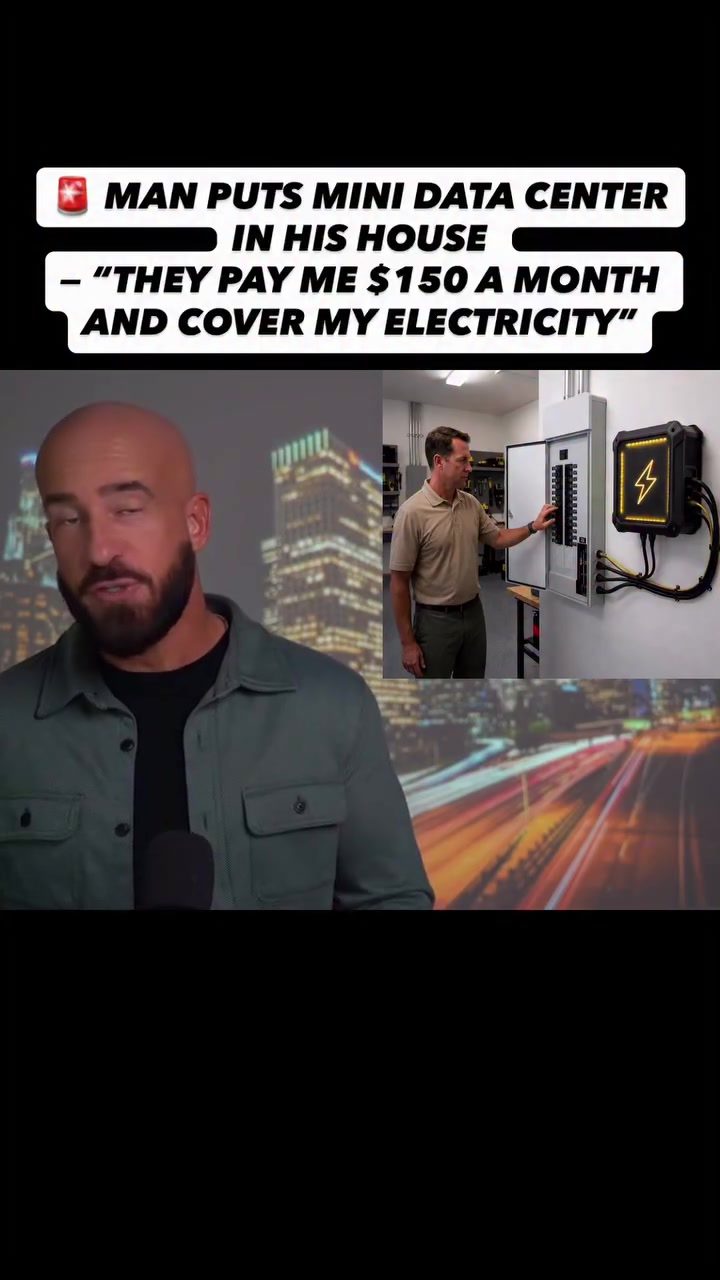
Mini Data Center in a House
A man in Arizona has found an ingenious way to offset his utility costs by installing a mini data center in his home. This setup not only covers his electricity bill but also provides him with high-speed internet and a backup power system. Let's delve into the details of this unique arrangement and explore the implications for homeowners and data center operators alike.
Why This Matters
The integration of data centers into residential spaces represents a shift in how we think about utility management and digital infrastructure. As data consumption continues to rise, traditional data centers are increasingly looking for alternative housing solutions. This trend could mark a new era in how we manage and distribute digital services.
The Setup and Benefits
Cost Savings and Rewards
The man receives $150 a month for housing the mini data center, which covers his entire electricity bill. This arrangement effectively turns his home into a mini data hub, providing a range of benefits:
- Free Electricity: The data center's energy consumption is offset by the payment, making his electricity bill zero.
- High-Speed Internet: The data center ensures a stable and high-speed internet connection, perfect for streaming, gaming, and other bandwidth-intensive activities.
- Backup Power System: Having a backup power system provides an added layer of security, ensuring that essential systems remain operational during power outages.
Technical Specifications
The mini data center is capable of producing Google search results for a 100-square-mile radius around the house. This means that every time someone within this area performs a Google search, the data center in this home is involved in processing that request. This setup showcases the potential for decentralized data processing, where smaller, more distributed units can handle significant computational tasks.
Potential for Customization
The host even jokes about reprogramming the system to deliver unusually dramatic weather updates like a 500-degree temperature prediction. While this is a humorous example, it highlights the potential for customization and control over the data being processed and distributed. This flexibility could be harnessed for more practical uses, such as community-specific notifications or localized data services.
Practical Tips for Hosting a Mini Data Center
For those considering a similar setup, several practical considerations are crucial. First and foremost, ensure that the data center operates within legal and safety guidelines. This includes proper ventilation, cooling systems, and adherence to local regulations regarding data centers in residential areas.
Negotiating the Deal
When negotiating with a data center provider, consider the following:
- Compensation: Ensure that the monthly payment covers all associated costs, including electricity, potential maintenance, and any additional utilities.
- Service Agreements: Clearly outline the responsibilities of both parties, including maintenance, security, and insurance.
- Contracts: Consumers should have a clear understanding of the contract terms, including the duration of the agreement and any potential penalties for early termination.
Important Takeaways
For Homeowners
Installing a mini data center in a residential space can be a lucrative arrangement, offering free electricity and other benefits. However, it requires careful consideration of technical and legal aspects to ensure a smooth and safe operation.
For Data Center Operators
This model presents an innovative approach to decentralizing data processing. It could lead to more efficient use of resources and reduced dependency on large, centralized data centers. This approach might be particularly beneficial in rural or underserved areas where traditional data centers are less common.
Conclusion
The idea of hosting a mini data center in a residential space is a fascinating development in how we manage and utilize digital infrastructure. For the right homeowner, this arrangement can offer significant financial benefits while contributing to the broader digital ecosystem. However, it also comes with unique challenges and considerations that must be carefully managed. Whether this trend will become more widespread remains to be seen, but it certainly opens up intriguing possibilities for the future of data management and residential utilities.
Watch the Reel
Questions readers ask
How does hosting a mini data center at home provide free electricity?
Hosting a mini data center at home can generate free electricity through a process called waste heat recovery. The servers in the data center produce heat as a byproduct of their operation. By capturing and using this heat to warm the home, the homeowner can reduce or eliminate their electricity bills. Additionally, some companies may pay the homeowner to host their servers, further offsetting the cost of electricity.
What are the benefits of having a mini data center at home besides free electricity?
Besides free electricity, hosting a mini data center at home can provide high-speed internet access, as data centers require robust network connections. Additionally, the setup can serve as a backup power system, ensuring uninterrupted power supply to the home. Furthermore, the homeowner can generate income by renting out server space to businesses or individuals.
How does a home data center setup ensure uninterrupted internet?
A home data center setup ensures uninterrupted internet by leveraging the robust network infrastructure typically associated with data centers. This infrastructure includes redundant connections, high-bandwidth links, and reliable hardware, all of which contribute to a stable and fast internet connection. Additionally, the setup can include backup power systems to keep the internet running even during power outages.
What is the process to create a home data center for electricity savings?
Creating a home data center for electricity savings involves several steps, including selecting the right equipment, setting up the physical space, and ensuring proper cooling and power management. The homeowner must also consider the legal and regulatory aspects, such as obtaining any necessary permits and adhering to local zoning laws. Additionally, the homeowner should have a basic understanding of network administration to maintain the servers and ensure they run efficiently.
Can any homeowner set up a mini data center at home?
While any homeowner can theoretically set up a mini data center, there are several factors to consider. These include the home's electrical capacity, available space, and local regulations. Some areas may have restrictions on data centers in residential zones. Additionally, the homeowner should be prepared for the initial investment in equipment and the ongoing maintenance required to keep the data center running smoothly.
How can a homeowner generate income from a home data center?
A homeowner can generate income from a home data center by renting out server space to businesses or individuals who need data storage, processing, or hosting services. The income can offset the costs of setting up and maintaining the data center. Some companies may also pay for the use of the servers, contributing to the homeowner's monthly income.
What are the risks involved in hosting a data center at home?
Hosting a data center at home comes with several risks, including potential fire hazards due to overheating, increased power consumption, and the risk of data breaches. Additionally, the homeowner must ensure that the data center is secure from unauthorized access, both physically and digitally. Proper planning and maintenance are crucial to mitigate these risks and ensure the safe and efficient operation of the data center.
Related deep dives
Similar reads based on topic and creator.




Recent articles
Fresh deep dives from the latest Reels we unpacked.




Comments
Be the first to comment.