Sea Turtle Rescues
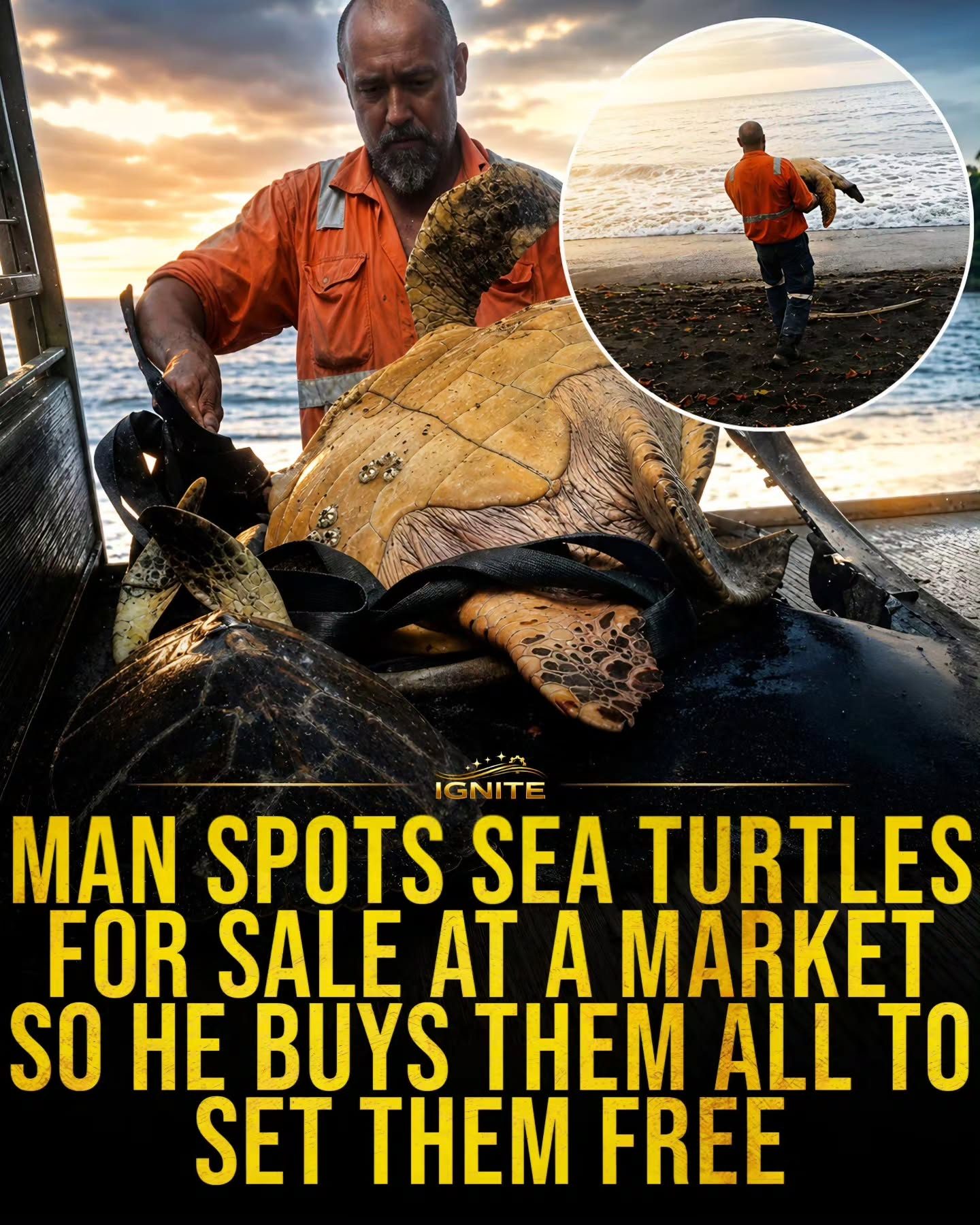
Sea turtle rescues are critical efforts that highlight the broader issue of wildlife conservation and the illegal wildlife trade. These efforts often involve individuals who take it upon themselves to save these endangered creatures from exploitation and ensure their safe return to the wild.
Why This Matters
The illegal wildlife trade, including the capture and sale of sea turtles, poses a significant threat to these species. Sea turtles are often captured for their meat, eggs, and shells, which are used in various products. This trade not only depletes sea turtle populations but also disrupts ecosystems that depend on these creatures. Rescues and conservation efforts are vital for maintaining biodiversity and ensuring the survival of these species.
Rescue Operations
Spotting and Purchasing
One of the most direct ways to rescue sea turtles is by purchasing them from markets where they are sold. This method, while unconventional, can be effective in liberating these animals from captivity. By buying all the sea turtles for sale, a rescue team ensures that these animals are no longer available at the market, disrupting the supply chain.
Set-Free Efforts
Once purchased, the next step is to release the turtles back into their natural habitats. This involves transporting the turtles to a suitable location, often near the coast, where they can safely return to the ocean. The process requires careful handling to minimize stress and ensure the turtles' well-being. Some organizations, like IGNITE, specialize in these efforts, providing the expertise and resources needed to carry out successful releases.
Community Involvement
Community involvement is crucial for the success of sea turtle rescue operations. Local residents can play a significant role in identifying and reporting illegal trades. Moreover, their support can help in raising awareness about the importance of sea turtle conservation. Community engagement can also lead to the development of local conservation programs and initiatives that protect sea turtles and their habitats.
Key Challenges
Legal and Ethical Challenges
Navigating the legal and ethical complexities of sea turtle rescues can be daunting. Laws vary by region, and some areas may have strict regulations regarding the purchase and release of wildlife. It is essential to work within the legal framework and collaborate with local authorities to ensure that the rescue efforts are compliant with the law.
Logistical Challenges
The logistical aspects of sea turtle rescues are also significant. Transporting the turtles from the market to their release site requires careful planning and coordination. Additionally, ensuring the turtles' health and safety during transport is crucial. Proper handling, temperature control, and hydration are essential to minimize stress and prevent injuries.
Financial Challenges
Rescuing sea turtles often involves significant financial costs. The expenses can include purchasing the turtles, transportation, and veterinary care. Funding these operations can be challenging, and organizations often rely on donations, grants, and sponsorships to support their efforts. Public awareness and fundraising campaigns are critical for sustaining these initiatives.
Practical Tips
Supporting Local Conservation Efforts
One of the best ways to support sea turtle conservation is by getting involved with local conservation organizations. These groups often work directly with communities to protect sea turtles and their habitats. Whether through volunteering, donating, or participating in community events, your support can make a significant difference.
Raising Awareness
Educating the public about the importance of sea turtle conservation is essential. Sharing information about the threats faced by sea turtles and the efforts being made to protect them can inspire others to take action. Social media, blogging, and public speaking are effective ways to raise awareness and encourage community involvement.
Reporting Illegal Activities
If you suspect illegal wildlife trade activities, it is crucial to report them to the appropriate authorities. This can help in dismantling illegal operations and protecting sea turtles from exploitation. Contacting local wildlife conservation agencies or non-governmental organizations can provide guidance on how to report such activities.
Adopting Sustainable Practices
Adopting sustainable practices can also contribute to sea turtle conservation. Reducing plastic waste, conserving water, and protecting coastal habitats are all ways to support these efforts. By making small changes in our daily lives, we can help create a safer and more sustainable environment for sea turtles and other wildlife.
Important Takeaways
The Role of Individual Actions
Individual actions, such as purchasing sea turtles from markets to set them free, can have a significant impact on conservation efforts. These actions, while small, can disrupt the illegal wildlife trade and raise awareness about the importance of sea turtle conservation.
The Importance of Community Engagement
Community engagement is crucial for the success of sea turtle rescue operations. Involving local residents in conservation efforts can lead to the development of sustainable programs and initiatives that protect sea turtles and their habitats. Public awareness and education are critical for fostering a sense of responsibility towards wildlife conservation.
The Need for Comprehensive Strategies
A comprehensive approach that addresses legal, logistical, and financial challenges is essential for successful sea turtle rescue operations. Collaboration with local authorities, community engagement, and sustainable practices can help overcome these challenges and ensure the long-term survival of sea turtle populations.
Conclusion
Sea turtle rescues are a vital component of wildlife conservation efforts. These operations not only save individual sea turtles from exploitation but also raise awareness about the broader issues of wildlife trade and habitat destruction. By understanding the challenges and practical tips involved in these rescue efforts, we can all contribute to the protection of these endangered species and their habitats.
Watch the Reel
Questions readers ask
Why would someone buy all the sea turtles for sale in local markets?
This individual is disrupting the illegal wildlife trade by removing the demand for sea turtles. By purchasing and rescuing them, he prevents further exploitation and encourages others to reconsider buying endangered species.
How does rescuing sea turtles help preserve marine ecosystems?
Sea turtles play crucial roles in marine ecosystems, such as maintaining healthy seagrass beds and coral reefs. By rescuing and releasing them, we help sustain these ecosystems, which support a wide range of marine life.
What happens to the rescued sea turtles after they are bought?
After purchase, the sea turtles are carefully cared for and nursed back to health. Once they are strong enough, they are released back into their natural habitats, where they can continue their role in the ecosystem.
How does this method disrupt the illegal wildlife trade?
By removing the sea turtles from the market, this method reduces the incentive for poachers to capture more turtles. This can lead to a decrease in poaching activities and a reduction in the overall demand for illegally traded wildlife.
What are some of the products made from sea turtles?
Sea turtles are often captured for their meat, which is used in various dishes. Their eggs are also consumed, and their shells are used to make jewelry and other decorative items, driving the illegal wildlife trade.
Why are sea turtles considered endangered?
Sea turtles face numerous threats, including habitat loss, pollution, and the illegal wildlife trade. These factors contribute to a decline in their populations, making them vulnerable to extinction and classifying them as endangered species.
What can individuals do to support sea turtle conservation?
Individuals can support sea turtle conservation by avoiding products made from sea turtles, reporting any illegal wildlife trade activities, and donating to or volunteering with organizations dedicated to protecting sea turtles and their habitats.
Related deep dives
Similar reads based on topic and creator.
Recent articles
Fresh deep dives from the latest Reels we unpacked.




Comments
Be the first to comment.