Buffet Bans: The All-You-Can-Eat Dilemma
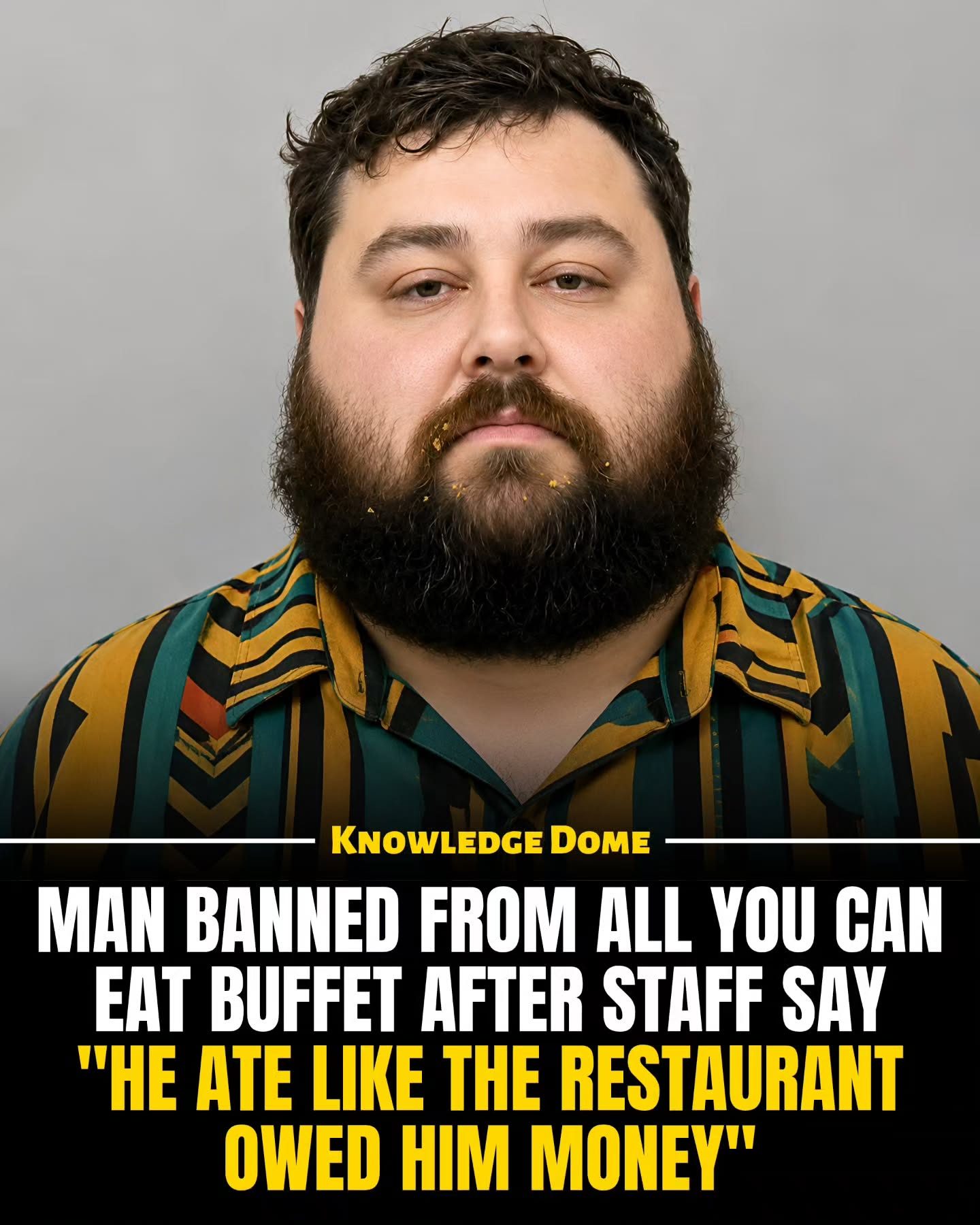
The all-you-can-eat buffet is a staple of many dining experiences, offering a wide variety of foods for a set price. However, the concept of unlimited food can sometimes lead to complicated situations, as seen in the case of Marcus "Big Mike" Thompson. This 41-year-old man found himself in the spotlight after being banned from a popular Las Vegas Strip buffet. The staff claimed that his extensive eating habits cost the restaurant hundreds of dollars in just one visit.
Why This Matters
Buffet dining is a beloved tradition, especially in tourist hotspots like Las Vegas. It offers diners the freedom to sample a multitude of dishes without worrying about individual prices. For many, it's a way to indulge without breaking the bank. However, the all-you-can-eat model can be a double-edged sword. While it encourages diners to enjoy a variety of foods, it also places significant pressure on the restaurant to manage costs and maintain a reasonable dining experience for all patrons.
The All-You-Can-Eat Concept
Unlimited Food: The Good and the Bad
The all-you-can-eat model has its pros and cons. On the positive side, it provides a sense of freedom and variety, allowing diners to sample multiple dishes without worrying about the cost. It also caters to a wide range of dietary preferences and restrictions, making it an inclusive dining option. However, on the negative side, it can lead to overindulgence, waste, and logistical challenges for the restaurant.
Many restaurants face the problem of managing costs and ensuring that diners use the buffet responsibly. While most patrons enjoy the variety without overindulging, some take the "all-you-can-eat" aspect to extremes. This can lead to significant financial losses for the restaurant, which may then implement policies to manage such behavior.
The Dilemma of Overindulgence
When diners take advantage of the all-you-can-eat model, it can become a logistical nightmare for the restaurant. Ensuring enough food is available to satisfy everyone while maintaining profitability and cleanliness is a delicate balance. In some cases, staff may need to intervene if a diner is consuming an excessive amount of food, as seen in the case of Marcus "Big Mike" Thompson.
What Happened to Marcus "Big Mike" Thompson?
The Incident
Marcus "Big Mike" Thompson, a 41-year-old man, found himself in a sticky situation after visiting a popular Las Vegas Strip buffet. He was reportedly on his fourth plate, filled with prime rib, crab legs, and sushi, when managers stopped him and asked him to leave. The staff claimed that his behavior was disruptive and that his extensive eating habits cost the restaurant hundreds of dollars in just one visit.
The Legal and Ethical Questions
Thompson's ban has raised several legal and ethical questions. He argues that he paid for the $42.99 all-you-can-eat pass, which he believed entitled him to eat as much as he wanted. The buffet, however, viewed his behavior as disruptive and detrimental to their business.
The incident highlights the challenges faced by restaurants in managing all-you-can-eat dining experiences. It also raises questions about customer expectations and the fine line between enjoying a meal and taking advantage of a service.
Practical Tips for Buffet Dining
Choosing the Right Buffet
When selecting a buffet, consider the following factors to ensure a pleasant dining experience:
- Variety and Quality: Look for buffets that offer a wide variety of dishes and maintain high standards of food quality and freshness.
- Pricing: Compare pricing and consider what is included in the meal, such as beverages and desserts.
- Reputation: Read reviews and ask for recommendations to avoid places known for poor management or overcrowding.
Dining Etiquette
To ensure a positive experience for everyone, follow these tips:
- Eat Responsibly: Enjoy a variety of dishes but avoid overindulging. Be mindful of others and provide enough food for everyone.
- Keep It Clean: After serving yourself, promptly return to your table. Avoid leaving dirty dishes or utensils around.
- Respect Staff and Rules: Be respectful to the staff and follow the buffet's rules. Avoid disrupting the dining experience for others.
Important Takeaways
When dining at an all-you-can-eat buffet, it's essential to remember that while the concept offers freedom and variety, it also comes with responsibilities. Diners should enjoy the experience without overindulging, and restaurants should manage their resources effectively to maintain a balance between profit and customer satisfaction. Additionally, understanding the potential downside of overindulgence can help avoid situations where diners are banned from such establishments.
Buffets remain a popular dining option, but they require a mutual respect between the diner and the establishment to ensure a positive and enjoyable experience for all.
Conclusion
The case of Marcus "Big Mike" Thompson highlights the complexities and challenges of the all-you-can-eat buffet model. While it offers diners a wide variety of food choices, it also presents logistical and financial challenges for restaurants. Understanding the intricacies of this dining experience can help ensure a positive and enjoyable experience for everyone involved.
Watch the Reel
Questions readers ask
Why was Marcus 'Big Mike' Thompson banned from the Las Vegas buffet?
Marcus 'Big Mike' Thompson was banned for consuming an exceptionally large amount of food, which resulted in significant financial losses for the buffet. His eating habits were deemed excessive and costly for the restaurant to sustain.
How do all-you-can-eat buffets typically handle overeating customers?
Buffets often implement various strategies to manage overeating customers, such as monitoring food intake, limiting refills, or imposing time constraints. However, these policies can vary widely depending on the establishment, so specific rules are important to follow.
What are some common rules that buffets have to manage customer consumption?
Many buffets have rules like a time limit for dining, restrictions on taking food to go, and limits on the number of plates or utensils per visit. These rules aim to prevent excessive consumption and ensure fairness among all customers.
Can buffets legally ban customers for eating too much?
Yes, buffets can legally ban customers for overeating, especially if it is causing significant financial harm to the business. This is often outlined in the restaurant's terms of service, which customers agree to upon entering the establishment.
How do buffets balance the costs associated with unlimited food offerings?
Buffets balance costs by carefully monitoring portion sizes, using cost-effective ingredients, and controlling food waste. They also rely on the majority of customers consuming moderately to offset the impact of those who eat excessively.
What can other diners do if they encounter someone eating excessively at a buffet?
If diners notice someone eating excessively, it's best to inform the buffet staff discreetly. The staff is trained to handle such situations and can take appropriate actions to maintain the balance and fairness of the dining experience for all patrons.
Are there any benefits to buffets implementing stricter policies on overeating?
Implementing stricter policies can help buffets manage costs more effectively, ensuring that the all-you-can-eat concept remains sustainable. It also promotes a fair dining experience for all customers, preventing a few individuals from monopolizing resources.
Related deep dives
Similar reads based on topic and creator.




Recent articles
Fresh deep dives from the latest Reels we unpacked.




Comments
Be the first to comment.