Brain Longevity
Aging is often associated with cognitive decline, but this is not an inevitable part of the process. Researchers and experts like David Sinclair are challenging this belief by highlighting individuals who have maintained or even improved their cognitive skills well into their later years. This article delves into the concept of brain longevity, focusing on the remarkable achievements of individuals like Oscar Shapiro and the science behind maintaining elite mental skills at an older age.
Context and Why This Matters
Maintaining cognitive health is a critical aspect of aging well. Oscar Shapiro, for example, became the oldest person in U.S. history to earn the title of Chess Master at the age of 74. This achievement underscores the brain’s remarkable ability to adapt and learn throughout life, a concept known as neuroplasticity. Understanding and leveraging neuroplasticity can help us stay mentally sharp, curious, and capable for as many years as possible. The pursuit of brain longevity is not just about longevity itself, but about maintaining the quality of life and cognitive function.
Maintaining Elite Cognitive Skills at an Older Age
The Complexity of Elite Mental Skills
Maintaining elite cognitive skills requires a combination of advanced pattern recognition, working memory, strategic thinking, rapid decision-making, and long-term planning. These skills are essential for activities like chess, where players must calculate multiple moves ahead, anticipate opponents' responses, and adapt in real time under pressure. Chess Mastery, recognized by the National Chess Federation, reflects the sustained competitive success and demands a high level of cognitive performance. This level of mastery showcases the brain’s capacity to perform complex tasks even in older age, demonstrating that cognitive skills can be maintained and even improved with the right strategies.
The Case of Oscar Shapiro
Oscar Shapiro’s achievement at the age of 74 is a testament to the brain’s ability to adapt and acquire complex skills at an older age. His success in earning the title of Chess Master highlights the potential benefits of sustained practice, lifestyle choices, and possibly genetics. His story challenges the notion that cognitive decline is inevitable and suggests that with the right approach, individuals can maintain and even enhance their cognitive abilities well into their later years. Shapiro’s success demonstrates that complex skill acquisition can occur even at an advanced age, and his lifestyle or genes might have played a significant role in his achievement.
The Science of Neuroplasticity
Neuroplasticity is the brain’s ability to learn, reorganize, and build new connections. Research continues to show that factors such as physical exercise, quality sleep, lifelong learning, social engagement, and good metabolic health can support cognitive performance as we age. These factors contribute to the brain’s adaptability, enabling individuals to maintain and even enhance their cognitive skills. Understanding and leveraging neuroplasticity can help us stay mentally sharp, curious, and capable for as many years as possible.
Practical Tips
Physical Exercise and Brain Health
Regular physical exercise is one of the most effective ways to support brain health and cognitive function. Activities like walking, running, or swimming can improve blood flow to the brain, promote the growth of new neurons, and enhance overall cognitive performance. Aim for at least 30 minutes of moderate-intensity exercise most days of the week to support brain longevity.
Quality Sleep and Cognitive Performance
Quality sleep is essential for cognitive health and brain longevity. During sleep, the brain consolidates memories, clears out toxins, and repairs itself. Aim for 7-9 hours of quality sleep per night, and prioritize good sleep hygiene by maintaining a consistent sleep schedule, creating a sleep-conducive environment, and avoiding screens before bedtime.
Lifelong Learning and Mental Stimulation
Engaging in lifelong learning and mental stimulation can help maintain and even enhance cognitive function. Activities such as reading, puzzles, learning a new language, or taking up a new hobby can stimulate the brain and promote neuroplasticity. Make a habit of engaging in mentally stimulating activities regularly to support brain health and longevity.
Social Engagement and Cognitive Health
Social engagement is another critical factor in maintaining cognitive health. Regular social interactions can reduce stress, improve mood, and stimulate the brain. Make an effort to connect with others, whether through social activities, community involvement, or simply spending time with friends and family. Social engagement can have a positive impact on cognitive function and overall well-being.
Good Metabolic Health
Maintaining good metabolic health is essential for brain longevity. A balanced diet, regular exercise, and managing conditions like diabetes and hypertension can support overall health and cognitive function. Consume a diet rich in fruits, vegetables, lean proteins, and whole grains, and avoid processed foods, sugars, and excessive alcohol.
Important Takeaways
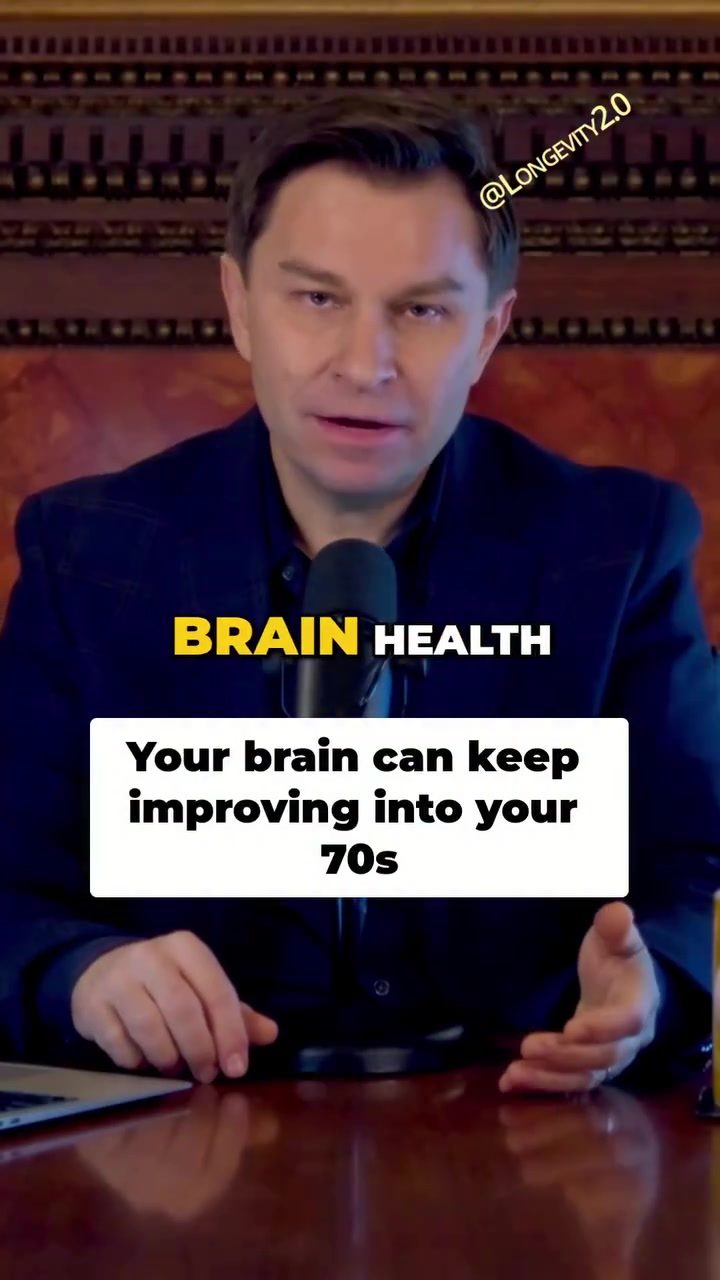
Maintaining cognitive health and brain longevity is possible, even at an older age. Individuals like Oscar Shapiro demonstrate that the brain’s adaptability and neuroplasticity can lead to sustained cognitive performance. The brain can keep improving into the 70s, and staying mentally sharp, curious, and capable is a realistic goal. Regular physical exercise, quality sleep, lifelong learning, social engagement, and good metabolic health can all contribute to maintaining and enhancing cognitive function. With the right strategies and lifestyle choices, individuals can stay mentally sharp and capable for many years to come.
Conclusion
The pursuit of brain longevity is not just about living longer but about maintaining the quality of life and cognitive function. By understanding and leveraging the brain’s neuroplasticity, individuals can challenge the notion that cognitive decline is inevitable. Whether through regular physical exercise, quality sleep, lifelong learning, social engagement, or maintaining good metabolic health, there are practical steps that can be taken to support cognitive performance as we age. By embracing these strategies, individuals can stay mentally sharp, curious, and capable, enjoying a higher quality of life for as many years as possible.
Watch the Reel
Questions readers ask
What are some key strategies to maintain cognitive health as we age?
Longevity2.0 recommends several strategies, including regular mental exercises, a balanced diet rich in brain-healthy nutrients, and consistent physical activity. Engaging in new learning experiences and social interactions can also help keep the mind sharp.
Can mental skills like pattern recognition and strategic thinking be improved at an older age?
Yes, research shows that these skills can be improved or maintained with the right approach. Regular practice and mental stimulation can help enhance these abilities, as evidenced by individuals like Oscar Shapiro who achieved elite cognitive milestones later in life.
How does Longevity2.0 define brain longevity?
Brain longevity refers to the ability to maintain or even enhance cognitive skills throughout the aging process. This includes skills like memory, pattern recognition, and strategic thinking. It's about defying the common misconception that cognitive decline is an inevitable part of aging.
Who is Oscar Shapiro and why is he significant in the context of brain longevity?
Oscar Shapiro is notable for becoming the oldest person in U.S. history to earn the title of Chess Master at 74. His achievement highlights the brain's capability to adapt and excel in cognitive tasks, even in later years, inspiring many to focus on strategies for lifelong cognitive health.
What role does physical activity play in maintaining cognitive health?
Physical activity is crucial for maintaining cognitive health. It boosts blood flow to the brain, reduces the risk of cognitive decline, and can help combat stress. Regular exercise, combined with mental stimulation, can significantly enhance brain longevity.
Are there specific foods that can help improve brain health and cognitive longevity?
Yes, foods rich in antioxidants, omega-3 fatty acids, and other essential nutrients can support brain health. Examples include fatty fish, nuts, berries, and leafy greens. Incorporating these into a balanced diet can contribute to maintaining cognitive skills over time.
Related deep dives
Similar reads based on topic and creator.




Recent articles
Fresh deep dives from the latest Reels we unpacked.




Comments
Be the first to comment.