Madagascar: The Hidden Gem of Unspoiled Beauty
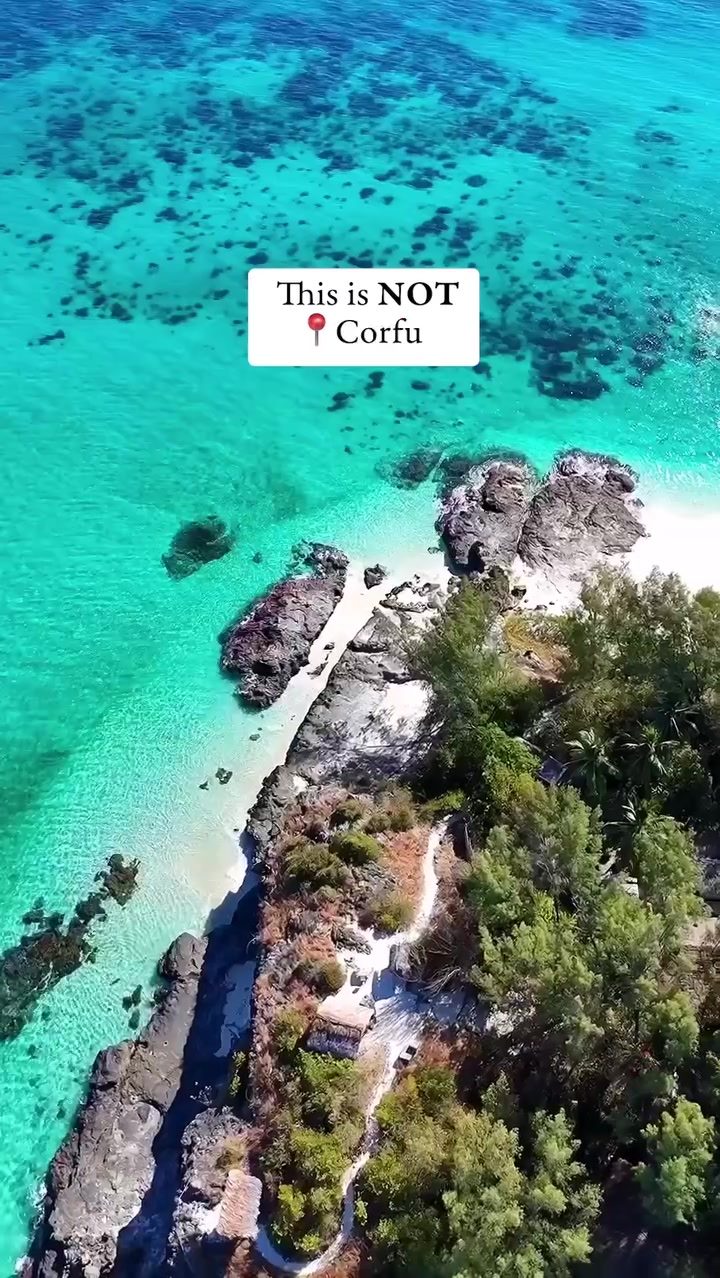
Madagascar is often overlooked in favor of more famous tropical destinations, but it offers a wealth of stunning landscapes and unique experiences. One such scene showcases a rocky coastline with crystal-clear turquoise water and a winding path along the shore, this view encapsulates the unspoiled beauty of the island.
Why Madagascar?
Madagascar, the fourth-largest island in the world, is located off the eastern coast of Africa. It is renowned for its biodiverse ecosystems, unique wildlife, and stunning landscapes. The island is a haven for nature lovers, offering a variety of experiences from lush rainforests to pristine beaches and dramatic rocky coastlines.
Madagascar's Natural Wonders
Coastal Scenery
The coastal scenery in Madagascar is breathtaking. The rocky shores are surrounded by clear turquoise waters, creating a mesmerizing contrast. The waves gently lap against the shore, and the path winding along the coast provides a perfect vantage point for a leisurely stroll. This scene is a testament to the island's natural beauty and offers a serene escape from the bustling world.
Aerial View of Mangroves
Aerial views of Madagascar reveal another facet of its natural beauty—the mangroves. These dense, green mangroves are a critical part of the island's ecosystem, providing habitats for various species and protecting the coastline from erosion. The aerial shots show a waterway cutting through the mangroves, with a small boat navigating the channel. This view underscores the importance of these ecosystems and the tranquility they offer.
Mangroves in Madagascar
The mangroves in Madagascar are a vital component of the island's biodiversity. These dense, green forests thrive in the brackish waters along the coast, providing a haven for a variety of marine and avian species. The mangroves play a crucial role in protecting the coastline from erosion and storms, serving as a natural barrier. The aerial view of the mangroves, with a small boat navigating the channel, highlights the intricate balance of nature in this region.
The Beauty of the Beach
A beautiful beach with turquoise water and white sand is a sight to behold. The waves crashing on the shore create a soothing rhythm, while the small island in the distance adds a touch of mystery. The text overlay stating "This is NOT The Maldives" is a playful reminder that Madagascar offers its unique charm, distinct from more famous tropical destinations. The Maldives may be known for its white-sand beaches and crystal-clear waters, but Madagascar's beaches offer a more rugged, untouched beauty.
Practical Tips for Visiting Madagascar
Best Time to Visit
The best time to visit Madagascar is during the dry season, from April to October. During this period, the weather is pleasant, with clear skies and moderate temperatures. The rainy season, from November to March, can be challenging due to heavy rains and humidity, but it is also when the landscape is lush and vibrant.
Getting Around
Madagascar can be explored by various means, including flights, car rentals, and local transport. Flys are the quickest way to get to major cities and tourist destinations, while car rentals offer flexibility for exploring at your own pace. Local transport, such as taxis and buses, provides a more immersive experience, allowing you to interact with the locals and experience the genuine culture.
Accommodation
Madagascar offers a range of accommodation options to suit different budgets and preferences. Luxury resorts, boutique hotels, and eco-lodges provide comfort and luxury, while budget-friendly guesthouses and hostels offer affordable options. Camping is also an option for adventurous travelers, with designated camping sites available in national parks and reserves.
Important Takeaways
Madagascar is a hidden gem for travelers seeking unspoiled beauty and unique experiences. Its coastal views, mangroves, and beaches offer a glimpse into the island's natural wonders. The best time to visit is during the dry season, and getting around can be done by flights, car rentals, and local transport. Accommodation ranges from luxury resorts to budget-friendly guesthouses and hostels.
Conclusion
Madagascar is a destination that offers a rich tapestry of natural beauty, unique wildlife, and cultural experiences. Whether you are exploring the rocky coastlines, navigating through the mangroves, or relaxing on pristine beaches, Madagascar will captivate your senses and create lasting memories.
Watch the Reel
Questions readers ask
What makes Madagascar's coastal scenery unique?
Madagascar's coastal scenery is unique due to its unspoiled beauty, featuring rocky shores that meet crystal-clear turquoise waters. The winding paths along the shore offer tranquil strolls, providing a serene escape from bustling life. This combination of rugged landscapes and serene waters creates a distinctive and breathtaking coastal experience.
Are there specific areas along the Madagascar coast known for their stunning views?
While the entire coastline of Madagascar is renowned for its beauty, there are several notable areas, including the coastal path in the Andilana Beach resort and the beaches of Nosy Be. These areas offer a variety of landscapes, from rocky shores to pristine beaches, and provide some of the best coastal walks with panoramic views.
What can visitors expect to see during a coastal walk in Madagascar?
Visitors can expect to see a variety of stunning landscapes during a coastal walk in Madagascar, including rugged cliffs, pristine beaches, and vibrant mangroves. The clear turquoise waters offer opportunities for spotting marine life, and the winding paths provide a peaceful and immersive experience in nature.
What is the best time of year to visit Madagascar for coastal views?
The best time to visit Madagascar for coastal views is during the dry season, from April to November. During this period, the weather is pleasant, with clear skies and minimal rainfall, making it ideal for enjoying the coastal scenery and engaging in activities such as coastal walks and aerial tours.
What are the benefits of taking an aerial view tour of Madagascar's coast?
Aerial view tours of Madagascar's coast offer a unique perspective, allowing visitors to see the vast and diverse landscapes from above. Aerial tours provide a bird's-eye view of the intricate coastline, including mangrove forests, rocky formations, and the clear turquoise waters, making it an unforgettable way to explore Madagascar's natural wonders.
What kind of wildlife might you encounter during a coastal walk in Madagascar?
During a coastal walk in Madagascar, visitors might encounter a variety of unique wildlife, including various bird species, lemurs, and even marine life such as sea turtles and dolphins. The diverse ecosystems along the coast support a rich biodiversity, making it a prime location for nature enthusiasts and wildlife lovers.
How can you ensure a tranquil experience during your coastal walk in Madagascar?
To ensure a tranquil experience during your coastal walk in Madagascar, it is best to visit during the off-peak season, when the beaches and paths are less crowded. Additionally, choosing less-traveled paths and opting for early morning or late afternoon walks can enhance the serene atmosphere.
Related deep dives
Similar reads based on topic and creator.

Recent articles
Fresh deep dives from the latest Reels we unpacked.




Comments
Be the first to comment.