Longhorn Beetles: A Close-Up Look at Nature's Intricate Details
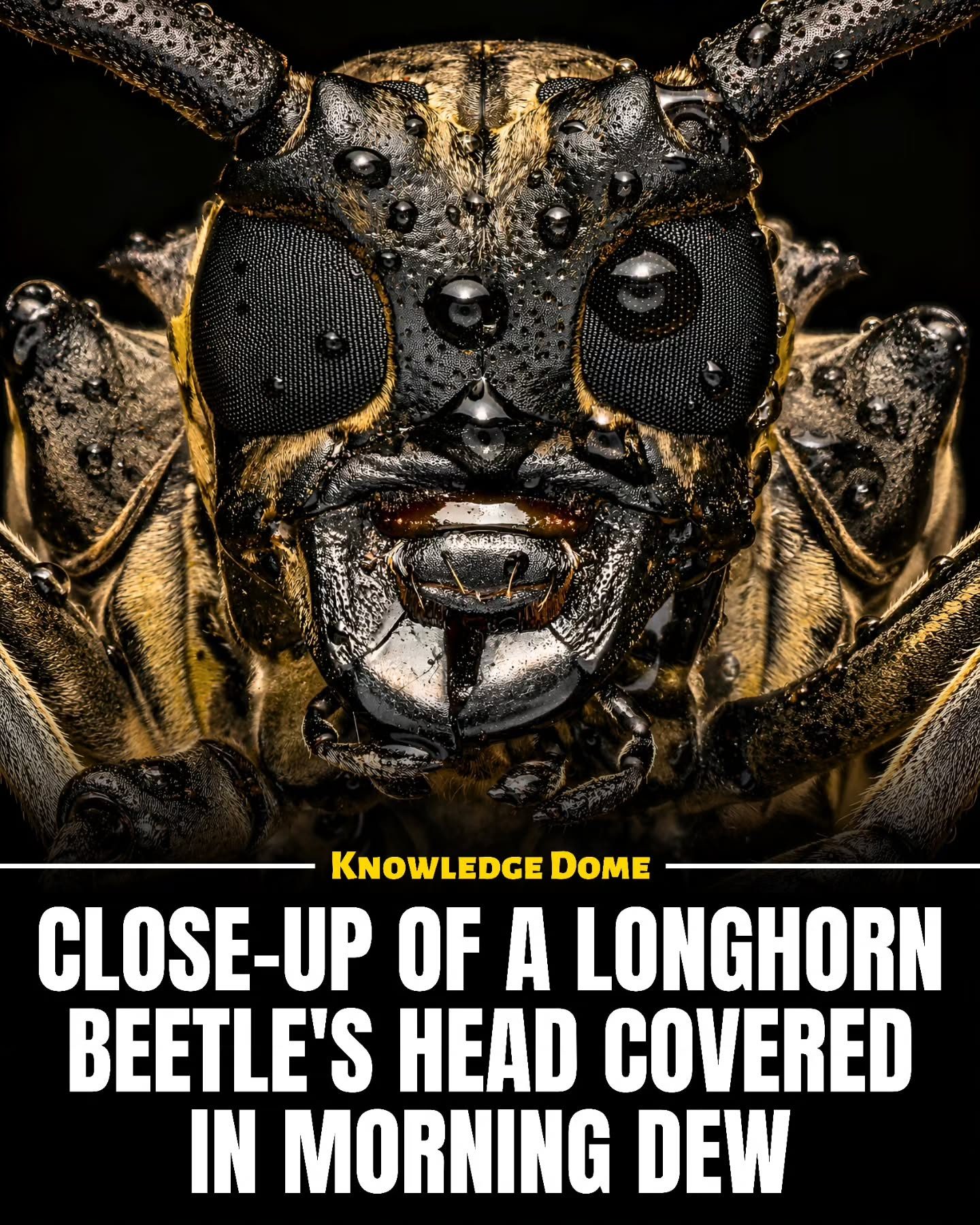
Longhorn beetles are fascinating insects known for their exceptionally long antennae, which often outgrow the beetle's body. These beetles are not only visually striking but also play a crucial role in the ecosystem by breaking down dead wood and returning nutrients to the soil. The close-up of a longhorn beetle's head, covered in glistening morning dew, showcases the intricate beauty of these creatures and highlights the importance of macro photography in revealing nature's hidden details.
Context / Why This Matters
Longhorn beetles belong to the Cerambycidae family, which encompasses over 26,000 species worldwide. Their long antennae, which can be as long as or even longer than their bodies, are a defining characteristic. These antennae are not just for show; they serve essential functions such as sensing the environment, finding mates, and locating food sources. This makes them one of the most recognizable features of these beetles, attracting the attention of both amateur and professional entomologists.
The use of macro photography to capture the details of these insects is essential. Macro photography allows us to see the world from a new perspective, revealing intricate details that are often hidden to the naked eye. By using a speedlight and diffuser, photographers can enhance the visual appeal of their subjects, making even the smallest details stand out.
Why Macro Photography Matters
Revealing Hidden Details
Macro photography is a specialized form of close-up photography that allows for the capture of extremely fine details, often at a 1:1 magnification or higher. This technique can reveal the intricate structures of a longhorn beetle, such as the texture of its exoskeleton, the shape of its compound eyes, and the delicate patterns on its head. The use of a speedlight and diffuser helps to illuminate these details, making them stand out against the background.
Enhancing Natural Beauty
The morning dew on the beetle's head adds an ethereal quality to the image, making it even more captivating. The tiny water droplets act as natural lenses, refracting and reflecting light in unique ways. This effect can be enhanced with the right lighting equipment, such as a speedlight and diffuser, which help to create a soft, even light that brings out the best in the subject.
Equipment and Techniques
To achieve stunning close-up shots of longhorn beetles, photographers often rely on specialized equipment. A macro lens is essential for capturing fine details, while a tripod helps to keep the camera steady during long exposures. The use of a speedlight and diffuser can significantly enhance the quality of the light, making the subject stand out against the background.
A few tips to get the most out of your macro photography:
- Use a tripod to keep the camera steady and avoid camera shake.
- Invest in a good macro lens, which can capture details at a 1:1 ratio or higher.
- Experiment with different lighting techniques, such as using a speedlight and diffuser, to bring out the best in your subject.
The Life Cycle of Longhorn Beetles
Larval Stage
Most longhorn beetles begin their life in dead or rotting wood, making them essential decomposers in the ecosystem. The larvae, often called roundheaded borers, burrow into the wood and feed on the nutrients within. This process helps to break down the wood, returning essential nutrients back into the soil.
Adult Stage
As the larvae mature, they form a pupa and eventually emerge as adult beetles. The adult beetles are known for their striking appearance, with many species featuring vibrant colors and intricate patterns. These beetles are often attracted to lights and can be found in various habitats, from forests to urban areas.
Important Takeaways
- Longhorn beetles are fascinating creatures with distinctively long antennae, making them easily recognizable.
- Macro photography enhances the beauty of longhorn beetles by revealing intricate details and highlighting their natural beauty.
- Longhorn beetles play a crucial role in the ecosystem by decomposing dead wood and returning nutrients to the soil.
- The use of a speedlight and diffuser can significantly enhance the quality of close-up shots, making the subject stand out against the background
Conclusion
Longhorn beetles are a testament to nature's incredible design, with their long antennae and intricate patterns making them a delight to observe. Macro photography brings out the best in these creatures, revealing details that are often hidden to the naked eye. By understanding the behavior and life cycle of longhorn beetles, we can appreciate their role in the ecosystem and the importance of preserving their habitats. Whether you're an amateur photographer or a seasoned entomologist, the world of longhorn beetles offers endless opportunities for discovery and wonder.
Watch the Reel
Questions readers ask
What is macro photography and why is it ideal for capturing longhorn beetles?
Macro photography is a specialized technique that allows you to capture extremely close-up images of tiny subjects, revealing intricate details that are often invisible to the naked eye. Longhorn beetles, with their unique features like long antennae and intricate body structures, are perfect subjects for macro photography. This technique highlights the beauty and complexity of these insects, making it an excellent choice for nature enthusiasts and photographers alike.
What role do longhorn beetles play in their ecosystems?
Longhorn beetles are crucial for maintaining healthy ecosystems. They primarily feed on dead or dying wood, which helps in the breakdown process and the return of nutrients to the soil. By doing so, they contribute to the recycling of organic matter and support the overall health of forests and woodlands. Their role is essential for the balance and sustainability of these environments.
What equipment is recommended for macro photography of longhorn beetles?
To capture stunning macro photographs of longhorn beetles, you'll need a camera with manual focus capabilities, a macro lens or close-up filters, and a tripod for stability. Additional accessories like ring lights or reflectors can help illuminate the tiny details, while a remote shutter release can minimize camera shake. Patience and a keen eye for detail are also essential for successful insect macro photography.
How can I capture the best images of longhorn beetles in the morning dew?
Photographing longhorn beetles covered in morning dew requires careful planning. Early mornings are ideal as the dew enhances the beetle's textures and colors. Use a tripod and a remote shutter to avoid any movement, and position your camera to capture the droplets and reflections. Soft, natural lighting works best, so avoid harsh direct sunlight. Adjust your camera settings for optimal depth of field and sharpness.
What are some tips for improving close-up beetle photography?
To enhance your close-up beetle photography, focus on steadying your camera to avoid blur, especially with high magnification. Use manual focus to ensure the beetle's intricate details are sharp. Experiment with different angles and compositions to capture unique perspectives. Additionally, be patient and observe the beetle's behavior to capture natural and dynamic shots. Proper lighting is crucial, so consider using diffusers or reflectors to soften harsh light.
What makes longhorn beetles an interesting subject for macro photography enthusiasts?
Longhorn beetles are captivating subjects for macro photography due to their distinctive long antennae and intricate body patterns. Their size and the delicate details on their bodies, such as fine hairs and textured surfaces, make them visually striking when photographed up close. Additionally, their role in ecosystems adds an intriguing layer to the photography, making it more engaging and meaningful for enthusiasts.
How can I find longhorn beetles for photography in nature?
Longhorn beetles can often be found in forested areas where there is dead or dying wood, as this is their primary food source and habitat. Look for them on tree trunks, branches, and stumps, especially during the warmer months. Early morning and late afternoon are good times to search, as the beetles are more active. Be patient and observant, as these insects can be well-camouflaged. Always handle them with care and respect their natural environment.
Related deep dives
Similar reads based on topic and creator.




Recent articles
Fresh deep dives from the latest Reels we unpacked.




Comments
Be the first to comment.