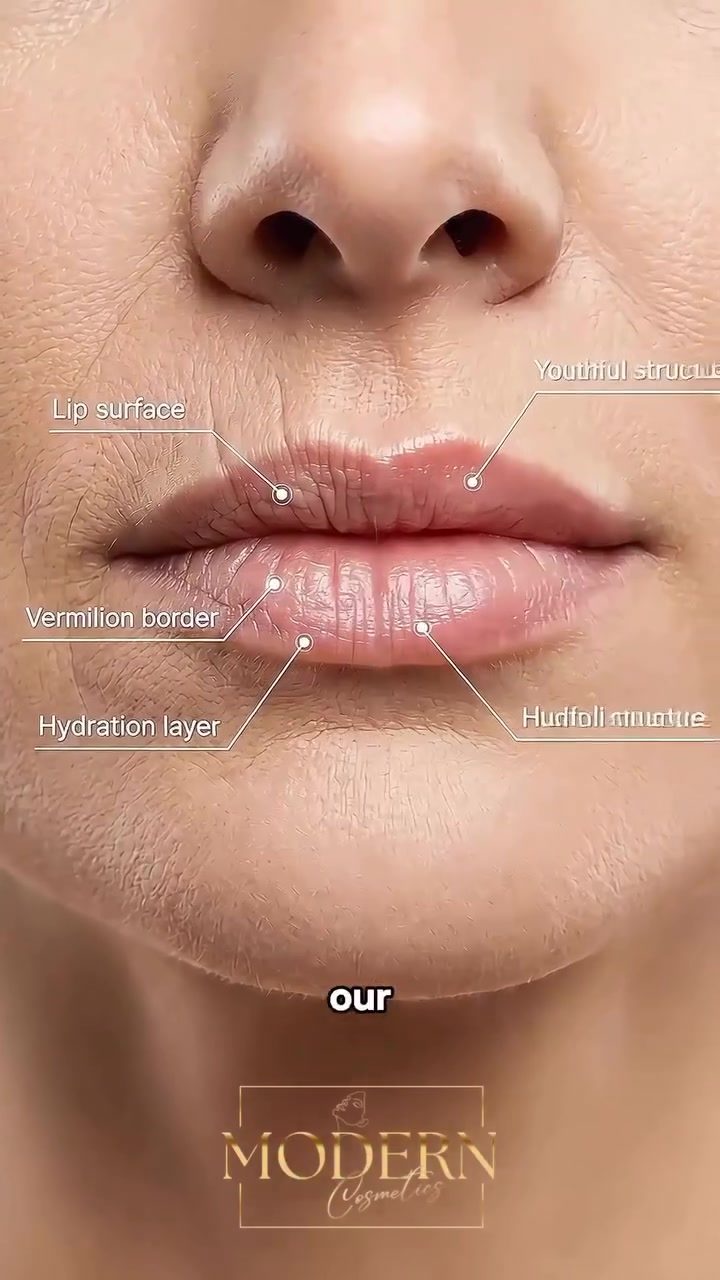
Understanding Why Lips Change with Age
Lips are a central feature of facial expression and beauty, but they can change significantly as we age. These changes are not just superficial; they are influenced by a complex interplay of collagen, hydration, soft tissue, and surrounding facial anatomy. Understanding these underlying factors can help in managing and maintaining lip health over time.
Why This Matters
Lip changes with age can affect both appearance and functionality. Recognizing the causes of these changes is essential for choosing the right cosmetics and treatments. Modern Cosmetics, a leader in cosmetic care, emphasizes the importance of understanding the structures beneath the surface to address lip health effectively. By grasping the why and how of lip aging, individuals can make informed decisions about their cosmetic routines.
The Anatomy of Lips and Aging
The Role of Collagen
Collagen is a crucial component of lip structure. It provides the framework that gives lips their shape and volume. As people age, collagen production naturally declines, leading to a reduction in lip volume and definition. This decrease in collagen can make lips appear thinner and less defined, a common concern among those seeking cosmetic solutions.
The Importance of Hydration
Hydration plays a vital role in maintaining lip health. Well-hydrated lips appear plump and smooth. Over time, hydration levels can change, contributing to dryness and fine lines around the lips. Proper hydration helps maintain the lips' natural elasticity and fullness, making it a key factor in lip care.
The Influence of Surrounding Anatomy
The lips are not isolated structures; they are supported by the surrounding facial anatomy, including muscles and soft tissues. As the face ages, these supporting structures can weaken, leading to changes in lip shape and contour. The vermilion border, which defines the outer edge of the lips, can become less distinct, and the lips may appear less symmetrical.
The Aging Process
The aging process affects lip health in several ways:
- Reduced Collagen: As collagen production decreases, the lips lose volume and definition.
- Changes in Hydration: Fluctuations in hydration levels can affect the appearance and texture of the lips.
- Weakened Supporting Structures: The surrounding muscles and tissues can weaken, leading to changes in lip shape and contour.
Maintaining Lip Health
Tips for Lip Care
- Hydration: Keep lips hydrated by drinking plenty of water and using lip balms with moisturizing ingredients.
- Sun Protection: Apply a lip balm with SPF to protect the lips from sun damage, which can accelerate aging.
- Gentle Exfoliation: Regularly exfoliate the lips to remove dead skin cells and improve texture.
- Balanced Diet: A diet rich in vitamins and minerals can support overall lip health.
- Cosmetic Treatments: Consider cosmetic treatments that target collagen loss and hydration, such as fillers or lip plumpers. Consult with a professional to determine the best options for individual needs.
Professional Consultations
Understanding the unique anatomy of the face and lips is essential for personalized cosmetic consultations. Modern Cosmetics in West Hoxton, Sydney, offers tailored consultations to address individual concerns. Every person ages differently, and lip changes can vary widely. A thorough consultation helps identify the best treatment options, whether through Modern Cosmetics products or other cosmetic procedures.
Important Takeaways
Lip changes with age are a natural part of the aging process, influenced by factors such as collagen loss, changes in hydration, and the weakening of supporting structures. By understanding these underlying mechanisms, individuals can take proactive steps to maintain lip health. From regular hydration to professional consultations, a combination of self-care and expert advice can help manage the visible signs of lip aging effectively.
Conclusion
Lip care is not just about aesthetics; it's about maintaining the health and functionality of this vital facial feature. By understanding the underlying structures and the effects of aging, individuals can better address their lip concerns. Whether through at-home care routines or professional consultations, taking care of the lips involves a holistic approach that considers both surface-level and deeper anatomical factors.
Watch the Reel
Questions readers ask
What role does collagen play in lip aging?
Collagen is a crucial protein that maintains the plumpness and structure of the lips. As we age, collagen production decreases, leading to thinner, less defined lips. This loss of collagen contributes to the development of fine lines and wrinkles around the mouth.
How does hydration affect the lips as we age?
Hydration is essential for maintaining the lips' smooth and supple appearance. As we age, the skin's ability to retain moisture decreases, leading to dryness, chapping, and increased visibility of fine lines. Proper hydration, both internally and externally, can help mitigate these effects.
Why do lips change shape with age?
Lips can change shape due to a combination of factors, including the loss of collagen and fat, as well as changes in the supporting facial structures. The surrounding muscles and bones may weaken or shift, causing the lips to appear less full, more wrinkled, or uneven.
What happens to the lip surface as we age?
The lip surface can become uneven, dry, and more prone to wrinkles with age. This is due to a combination of factors, including reduced collagen production, decreased hydration, and the natural wear and tear on the lips over time. Regular exfoliation and moisturization can help maintain a smoother lip surface.
How do changes in facial structure impact the lips?
Changes in facial structure, such as bone loss or muscle weakening, can significantly impact the appearance of the lips. For instance, a loss of bone density in the jaw or cheekbones can cause the lips to appear less full and more sunken. The descent of facial fat pads can also lead to a loss of lip support and definition.
What cosmetics can help address lip changes with age?
Using lip cosmetics specifically formulated for aging lips can help address visible signs of aging. Look for products containing ingredients like hyaluronic acid for hydration, peptides for collagen stimulation, and mineral-based pigments for better color payoff. Regular use of lip balms and moisturizing treatments can also help alleviate dryness and restore a smoother lip surface.
Recent articles
Fresh deep dives from the latest Reels we unpacked.




Comments
Be the first to comment.