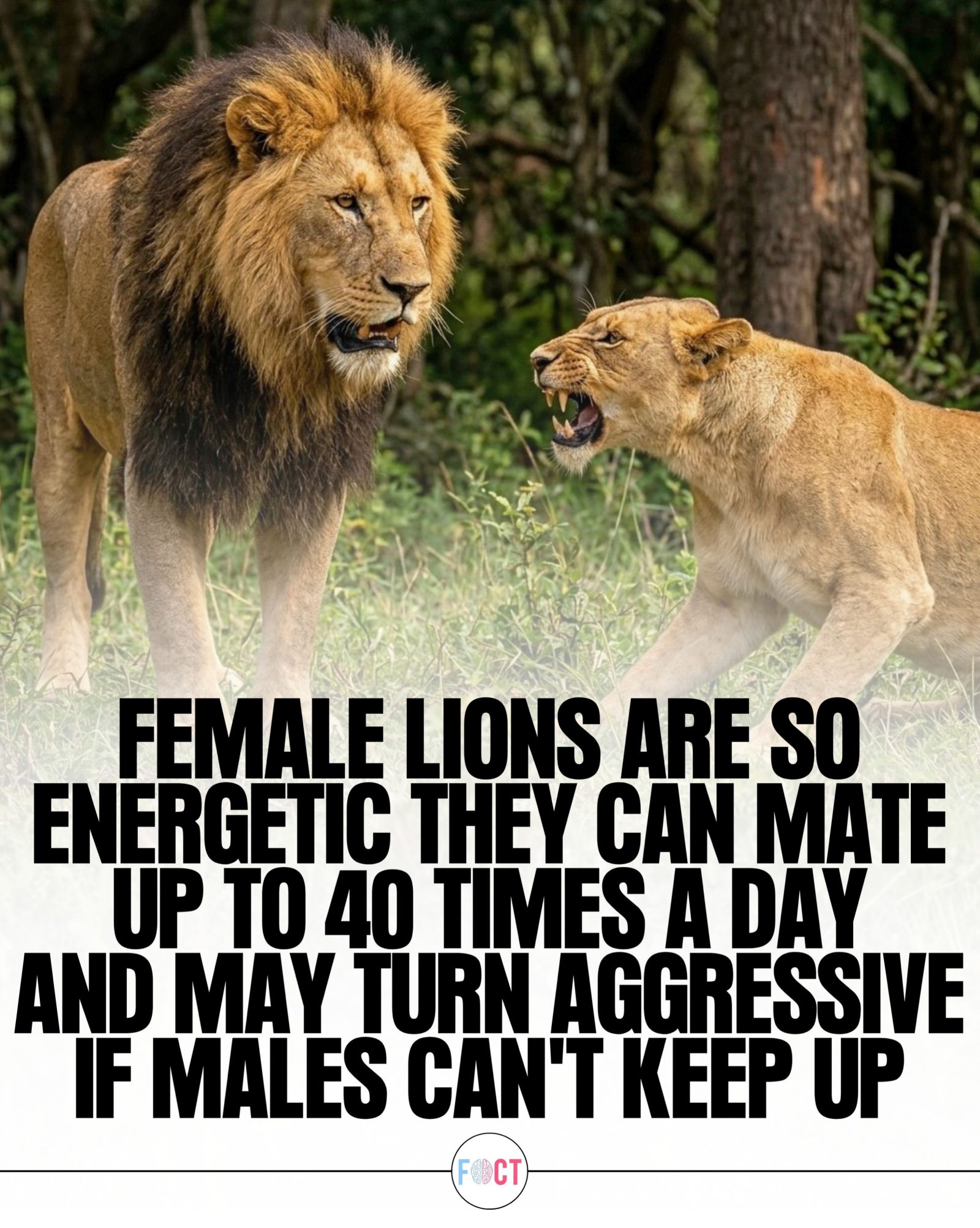
Lion Mating Habits
Lion mating habits are a fascinating aspect of wildlife behavior, particularly highlighting the unique dynamics between male and female lions. Female lions, or lionesses, are driven by a powerful biological imperative to reproduce, which manifests in extraordinary mating behaviors. This article explores the intricacies of lion mating habits, focusing on the role of the lioness and the demands she places on her male counterparts.
Context / Why this matters
Understanding lion mating habits is crucial for several reasons. It provides insights into the social structure of lion prides, the reproductive strategies of these big cats, and the challenges they face in their natural habitats. By delving into the mating behaviors, we can better appreciate the complexities of nature and the survival tactics of these magnificent creatures.
Main discussion
The Reproductive Drive of Lionesses
Lionesses are known for their high energy levels and relentless drive to reproduce. During their brief fertile window, which lasts only three to four days, they engage in an intense mating marathon. This period is characterized by frequent and continuous mating sessions, sometimes as often as every 15 to 30 minutes around the clock. This sustained activity is aimed at increasing the chances of conception, ensuring that the lioness becomes pregnant during this short fertile window.
The Role of Males in Lion Mating
While the lioness is the driving force behind this reproductive marathon, the male lions play a crucial role in the process. The male lion, often referred to as the king of the jungle, is expected to keep up with the lioness's demands. This nonstop schedule leaves the male lion completely exhausted. He may eventually collapse, trying to catch his breath and get some sleep. However, the lioness does not show any mercy if the male tries to rest. She may aggressively growl, swat his face, or bite his mane to force him back to his feet. If the male physically cannot continue, the lioness has zero loyalty and will abandon him to find another male in the pride who can keep up with her demands.
Aggressive Behavior and Survival Tactics
If the male lion cannot keep up with the lioness's demands, she may become aggressive. This aggression is not just a display of frustration; it is a survival tactic. By ensuring that the male continues to mate, the lioness maximizes her chances of becoming pregnant. This behavior highlights the fierce determination of lionesses to reproduce and secure the survival of their offspring.
Social Dynamics Within the Pride
The mating habits of lions also reveal the social dynamics within a pride. The female lions' aggressive behavior towards males who cannot keep up indicates their lack of loyalty. This behavior forces males to remain vigilant and fit. It also underscores the competitive nature within the pride, where males must prove their worthiness to mate with the females.
Practical tips
Studying Lion Behavior in the Wild
For those interested in studying lion behavior in the wild, it is essential to observe these animals during their mating seasons. This period provides a unique opportunity to witness the intense mating rituals and the interactions between male and female lions. Researchers and wildlife enthusiasts can gain valuable insights by observing the behaviors and dynamics during this critical time.
Conservation Efforts
Understanding lion mating habits is also crucial for conservation efforts. By knowing the reproductive strategies and challenges faced by these big cats, conservationists can develop strategies to protect their habitats and ensure the survival of lion populations. This includes protecting their natural habitats, reducing human-wildlife conflict, and promoting research on lion behavior.
Important takeaways
-
Lionesses Drive Mating: During their brief fertile window, lionesses are driven to mate extensively, often up to 40 times a day. This marathon-like mating schedule ensures the highest chances of conception.
-
Male Exhaustion: Male lions face immense physical demands during this period. They must keep up with the lioness's energy levels, which can leave them exhausted and sometimes unable to continue.
-
Aggressive Behavior: If males cannot keep up, lionesses may become aggressive, using tactics like growling, swatting, or biting to force them to continue mating. If the male cannot continue, the lioness will abandon him and seek another partner.
-
Social Dynamics: The mating habits reveal the competitive nature within lion prides, where males must prove their worth to mate with the females. This dynamic underlines the fierce determination of lionesses to ensure the survival of their offspring.
-
Research and Conservation: Understanding these mating habits is vital for both research and conservation efforts. It provides insights into the social structure of lion prides and helps in developing strategies to protect these magnificent creatures.
Conclusion
Lion mating habits offer a captivating glimpse into the world of these powerful predators. The relentless drive of lionesses to reproduce and the demands they place on male lions highlight the complexities of nature's survival strategies. By understanding these behaviors, we gain a deeper appreciation for the fascinating dynamics within lion prides and the challenges they face in their natural habitats. This knowledge is essential for both scientific research and conservation efforts aimed at protecting these iconic big cats.
Watch the Reel
Questions readers ask
How often do lionesses mate during their reproductive cycle?
Lionesses can mate up to 50 times a day during their mating season. This high frequency is driven by strong biological impulses and continues until the female is impregnated, which can take several days.
What are the key aspects of lion mating rituals?
Lion mating rituals are intense and involve a series of behaviors. The male lion will often mount the lioness from behind and bite her neck, which helps to stimulate ovulation. This process is repeated frequently and can occur multiple times a day over several days.
How do male lions cope with the demands of lioness mating habits?
Male lions must have exceptional endurance to keep up with the lionesses' mating demands. They can be called upon to mate continuously for up to 50 times a day, with hardly any rest. This intense activity is crucial for the survival and continuation of the lion pride.
Why is understanding lion mating habits important for wildlife conservation?
Understanding these mating habits provides valuable insights into the social dynamics and survival strategies of lion prides. This knowledge can inform conservation efforts by helping researchers predict population trends and develop strategies to protect these big cats in the wild, ensuring their overall health and reproduction.
What role does the lion pride play in lion mating behavior?
The lion pride plays a crucial role in lion mating behavior. Females often mate with multiple males from the pride, and this competitive environment helps to ensure the survival of the offspring. Male lions will fiercely compete for access to the females, creating a complex social dynamic within the pride.
Are lion mating behaviors aggressive?
Lion mating behaviors can appear aggressive to outsiders. Male lions often bite the females' necks and hold them down during mating. However, this aggression is a natural part of their mating ritual and helps to stimulate the females to ovulate, which is essential for their reproductive success.
How do lionesses' biological drives influence their mating habits?
Lionesses experience a powerful biological drive to reproduce, which influences their mating habits. This drive can lead to frequent mating sessions and ensures that the female is impregnated. The male lions must respond to these drives, resulting in intense and sustained mating rituals.
Related deep dives
Similar reads based on topic and creator.




Recent articles
Fresh deep dives from the latest Reels we unpacked.




Comments
Be the first to comment.