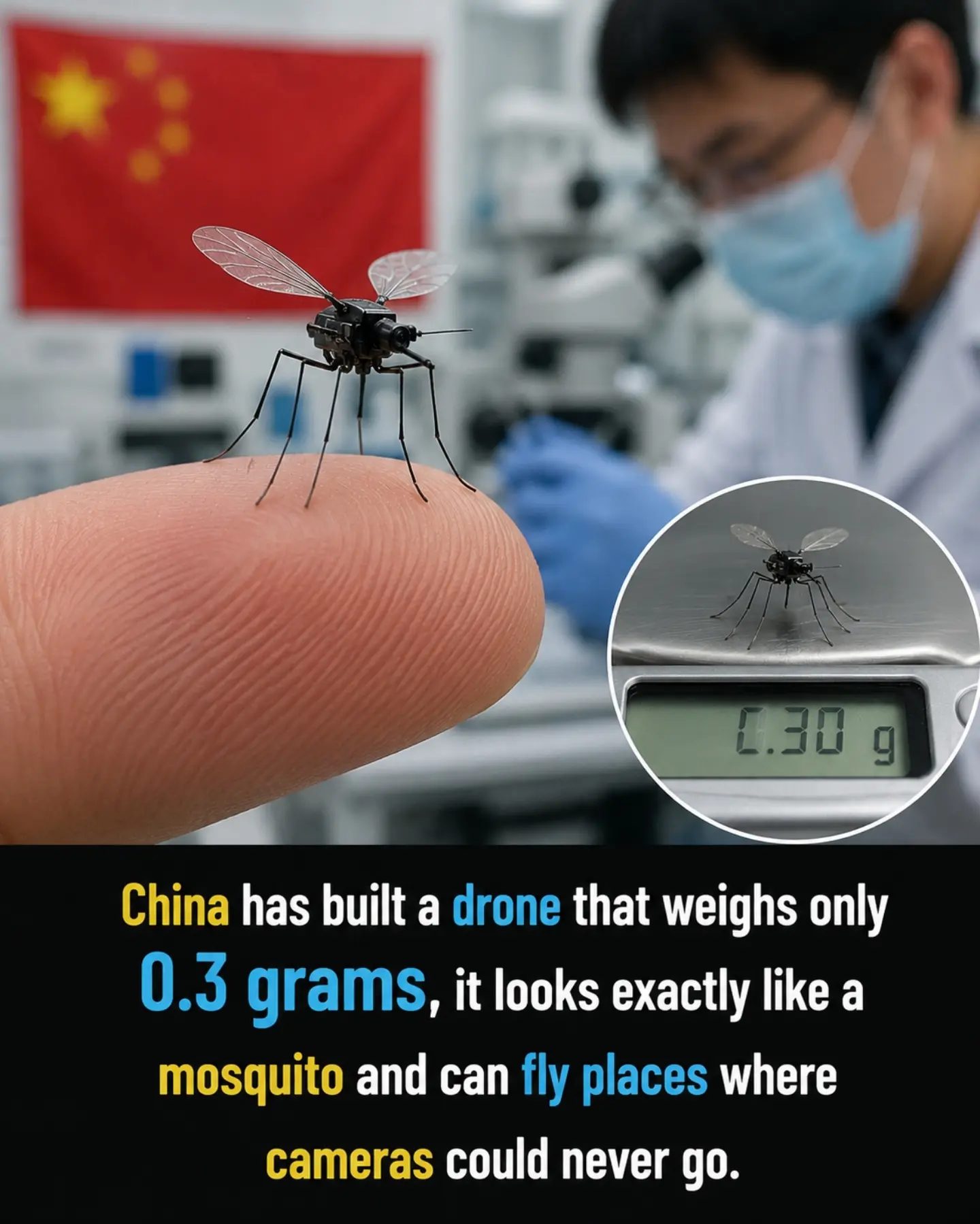
Micro Drones: The Tiny Flies that Can Go Where Cameras Can't
Micro drones are revolutionizing the way we think about aerial surveillance and exploration. These tiny flying machines, as the title suggests, are designed to access areas that traditional cameras simply cannot reach. Let's delve into the world of micro drones, their capabilities, and why they matter.
Context / Why This Matters
The micro drone in question weighs a mere 0.3 grams, making it lighter than a paperclip. This incredible feat of engineering is not just about size; it's about accessibility and versatility. The ability to navigate through tight spaces and fly over rough terrain makes micro drones invaluable in a variety of fields, from environmental monitoring to urban planning and rescue operations.
Main Discussion
Unparalleled Mobility
One of the standout features of this micro drone is its mosquito-like appearance and capabilities. This design allows it to navigate environments that are otherwise inaccessible. Imagine being able to send a drone into dense forests, through narrow alleyways, or even into buildings to gather essential data. This level of mobility is unmatched by traditional drones and even by the most advanced cameras.
Size and Weight
The drone's weight of 0.30 grams is a testament to the advancements in miniature technology. This weight allows it to be held on a fingertip and gives it the ability to move freely without being hindered by its own mass. It can fly stealthily through areas where larger drones or cameras would be impractical or even impossible to deploy.
Versatility in Application
The potential applications of micro drones are vast. In environmental monitoring, these drones can be deployed in hard-to-reach areas to gather data on wildlife, vegetation, and pollution levels. For urban planning, they can help map out city layouts, monitor traffic, and assess infrastructure. In rescue operations, micro drones can be used to locate survivors in disaster-stricken areas or to assess the safety of structures after an earthquake or flood.
Advanced Technology
The drone's technology is a marvel in itself. Being built in China, it showcases the cutting-edge engineering capabilities of the region. The drone is equipped with sophisticated sensors and cameras that can capture high-resolution images and videos, providing detailed information about the environments it explores.
Practical Tips
Choosing the Right Micro Drone
When selecting a micro drone, consider the specific needs of your application. If you need detailed aerial imagery, look for models with high-resolution cameras. If you need to navigate through tight spaces, ensure the drone has a compact design and agile maneuverability.
Maintenance and Safety
Micro drones require careful handling due to their small size. Always follow the manufacturer's guidelines for maintenance and safety. Ensure that the drone is charged properly and that all components are securely attached before each use.
Legal Considerations
Before deploying a micro drone, familiarize yourself with local regulations and laws. Different regions have varying rules regarding drone use, especially in sensitive areas like wildlife reserves or urban centers.
Important Takeaways
Micro drones are more than just a technological marvel; they are a game-changer in various fields. Their ability to access hard-to-reach areas, coupled with their compact size and advanced technology, makes them an invaluable tool for data collection and exploration. Whether for environmental monitoring, urban planning, or rescue operations, micro drones offer a level of versatility and accessibility that traditional cameras simply cannot match.
Conclusion
The potential of micro drones is immense, and their applications are only limited by our imagination. As technology continues to advance, we can expect to see even more innovative uses for these tiny flying machines. From exploring new frontiers to saving lives, micro drones are set to revolutionize the way we interact with the world around us. The future of aerial surveillance and exploration is here, and it's smaller than you think.
Watch the Reel
Questions readers ask
What makes the 0.3g micro-drone unique compared to other drones?
The 0.3g micro-drone is unique due to its incredibly light weight, making it the lightest drone ever. This allows it to access areas that larger drones cannot, such as dense forests and narrow alleyways, providing unmatched aerial surveillance.
How does the design of the mosquito drone enhance its functionality?
The mosquito drone's design enhances its functionality by enabling it to navigate through confined and challenging spaces. Its lightweight and compact structure allows it to fly through dense foliage, tight urban spaces, and other hard-to-reach areas.
In what ways can a 0.3g drone be useful for environmental monitoring?
A 0.3g drone can be useful for environmental monitoring by accessing remote or hazardous locations. It can collect data in areas unreachable by larger drones or human observers, such as deep within forests or over rough terrain, aiding in tasks like wildlife tracking and vegetation health assessment.
What are the practical applications of a micro drone in urban planning?
Micro drones can assist in urban planning by providing detailed aerial views of city layouts, including narrow alleys and congested areas. They can help planners assess infrastructure, monitor construction sites, and evaluate the urban environment to aid in efficient city development.
Can a 0.3g drone be deployed in rescue operations in confined spaces?
Yes, a 0.3g drone can be deployed in rescue operations to navigate confined and hazardous spaces. Its small size allows it to fly through narrow gaps and tight corridors, making it ideal for search and rescue missions in urban disasters, collapsed buildings, and other challenging environments.
What advantages does a micro drone offer for data gathering in inaccessible areas?
Micro drones offer several advantages for data gathering in inaccessible areas, including their ability to fly in tight spaces, reduced risk of damage, and minimal environmental impact. Their design allows them to collect valuable data in areas where traditional methods would be ineffective or impractical.
How does the weight of the 0.3g drone compare to other tiny drones?
The 0.3g drone is significantly lighter than other tiny drones, which typically weigh several grams. This ultra-light weight allows it to navigate delicate environments and access areas that heavier drones cannot, making it exceptionally versatile for a wide range of applications.
Related deep dives
Similar reads based on topic and creator.




Recent articles
Fresh deep dives from the latest Reels we unpacked.




Comments
Be the first to comment.