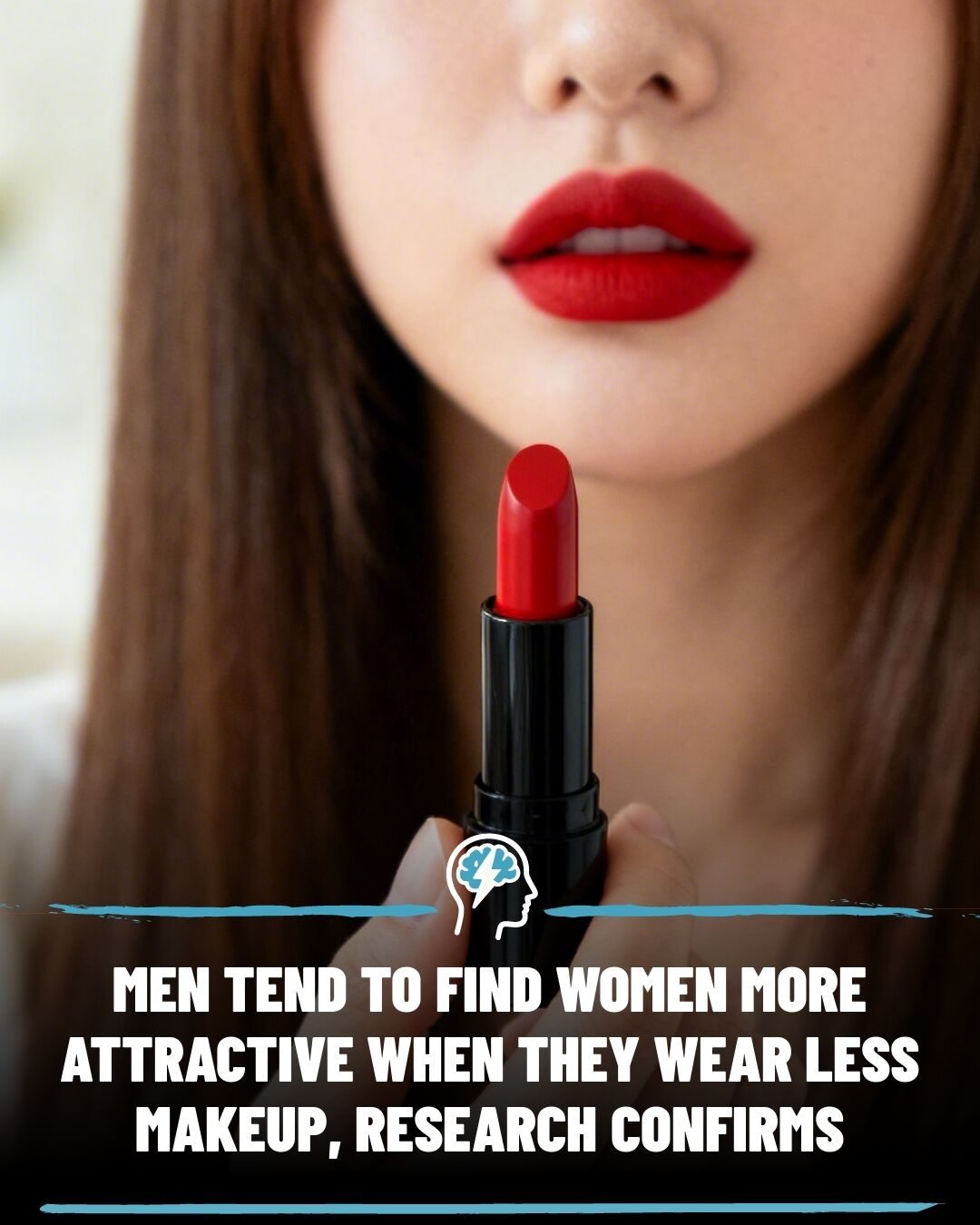
Lipstick and the Perception of Attraction:
Lipstick is a staple in many women’s makeup routines, but new research is suggesting that less may be more attractive to both men and women. The research suggests that men and women prefer faces with less makeup than what is typically applied. This discovery is rooted in a study conducted by Bangor and Aberdeen Universities, which provides intriguing insights into the perception of beauty and attraction.
Context - Why This Matters
Understanding how makeup influences perceptions of attractiveness can have profound implications for personal choices and societal norms. Many women apply makeup daily, and the decision on how much to wear is often influenced by a mix of personal preference and assumed societal expectations. Exploring the nuances of this perception gap can help individuals make more informed choices about their makeup routines and potentially boost their confidence in their natural features.
Makeup and Attraction
The study from Bangor and Aberdeen Universities set out to explore how different amounts of makeup affect perceptions of attractiveness. Forty-four women participated in the study by applying makeup as they usually would for a night out. Researchers then digitally altered these photos to create 21 different versions, each showing varying amounts of makeup. A separate group of participants rated these images based on attractiveness and perceived preferences.
The Perception Gap
One of the most intriguing findings of the study was what researchers termed the "perception gap." This gap exists because women often apply makeup based on a mistaken belief about what others prefer. Many assume that more makeup is better, but the data suggests otherwise. The study found that both men and women consistently preferred faces with less makeup than the women had originally applied.
Why Less Makeup Might Be More Attractive
The research suggests that people often overcorrect for expectations that don’t actually exist. Women may be wearing cosmetics to appeal to mistaken preferences of others. This overcorrection can lead to wearing more makeup than is necessary to achieve the desired effect. The study indicates that a lighter application of makeup might be more appealing to others, including men.
The participants in the study rated faces with some makeup as appearing more competent than bare faces. This suggests that makeup can serve a purpose, but the sweet spot seems to be less than many assume. The natural features of a person’s face can do more work than what’s often realized.
Nuances and Individual Preferences
It’s important to note that different studies can yield varying results based on methodology and individual preferences. For example, a 2021 study found that self-applied heavy makeup was rated as more attractive than light makeup. This highlights that personal preferences and application methods can significantly influence the perceived attractiveness of makeup.
Practical Tips
Finding Your Balance
If you enjoy wearing lipstick or other makeup, consider experimenting with lighter applications. You might find that a more natural look enhances your features without the need for heavy layers. Start by reducing the amount of lipstick you usually apply and see how it feels.
Emphasize Natural Features
Natural beauty is often underrated. Highlighting your natural features with subtle makeup can make you feel confident and attractive. Use lipstick to accentuate your lips without overpowering your natural beauty. A light touch can go a long way in enhancing rather than masking your features.
Application Techniques
The way you apply makeup can significantly impact its effect. Instead of layering on the product, focus on blending and precision. Use a lighter hand when applying lipstick to avoid an overdone look. Experiment with different techniques to find what works best for you.
Personal Preference
Ultimately, the best reason to wear any amount of makeup is because it makes you feel good. Science can inform our choices, but personal preferences matter most. If you enjoy wearing lipstick, do so in a way that enhances your confidence and happiness.
Important Takeaways
- Both men and women tend to find less makeup more attractive.
- The "perception gap" occurs when women apply more makeup than necessary based on assumed preferences.
- Lightly applied makeup can enhance natural features and make you feel confident.
- Personal preference should always guide makeup choices.
Conclusion
The research from Bangor and Aberdeen Universities provides valuable insights into how makeup influences perceptions of attractiveness. Understanding the nuances of this "perception gap" can help individuals make more informed choices about their makeup routines. If you enjoy wearing lipstick, consider that a lighter application might enhance your natural features and boost your confidence. Ultimately, the best reason to wear any amount of makeup is because it makes you feel good.
Watch the Reel
Questions readers ask
Why do men and women find faces with less makeup more appealing?
According to a study by Bangor and Aberdeen Universities, both men and women perceive faces with less makeup as more attractive. This is likely because less makeup allows natural features to shine through, which is often more appealing than heavily made-up faces. The findings suggest that less is more when it comes to makeup and attraction.
What is the 'perception gap' in makeup application?
The 'perception gap' refers to the discrepancy between the amount of makeup women typically apply and the amount that others find most appealing. Many women apply more makeup than what is preferred by both men and women, indicating a need to re-evaluate makeup routines and beauty norms.
How does lipstick influence the perception of attraction?
Lipstick is a popular makeup choice, but research indicates that wearing less lipstick can make one appear more attractive. People tend to prefer a more natural look, so applying lipstick sparingly can enhance overall attractiveness.
How can understanding makeup preferences benefit personal choices?
Knowing that natural makeup trends are preferred can empower individuals to make informed decisions about their makeup routines. This knowledge can help reduce the pressure to conform to heavy makeup norms, allowing for more personal and comfortable choices.
What does the research indicate about societal norms and makeup?
The research from Bangor and Aberdeen Universities challenges common societal norms about makeup by highlighting that less makeup is often more desirable. This invites a reconsideration of makeup routines and a shift towards embracing more natural beauty.
What are the implications of the study for the beauty industry?
The findings suggest that the beauty industry may benefit from promoting products and trends that support a natural makeup look. This shift could cater to the growing preference for less makeup, potentially attracting a wider audience seeking more natural beauty solutions.
How can women rethink their makeup routines based on the research?
Women can use this research to reassess their daily makeup routines, opting for lighter application or natural makeup trends. By doing so, they may find that they feel more comfortable and attractive, aligning with the preferences of both men and women.
Related deep dives
Similar reads based on topic and creator.


Recent articles
Fresh deep dives from the latest Reels we unpacked.




Comments
Be the first to comment.