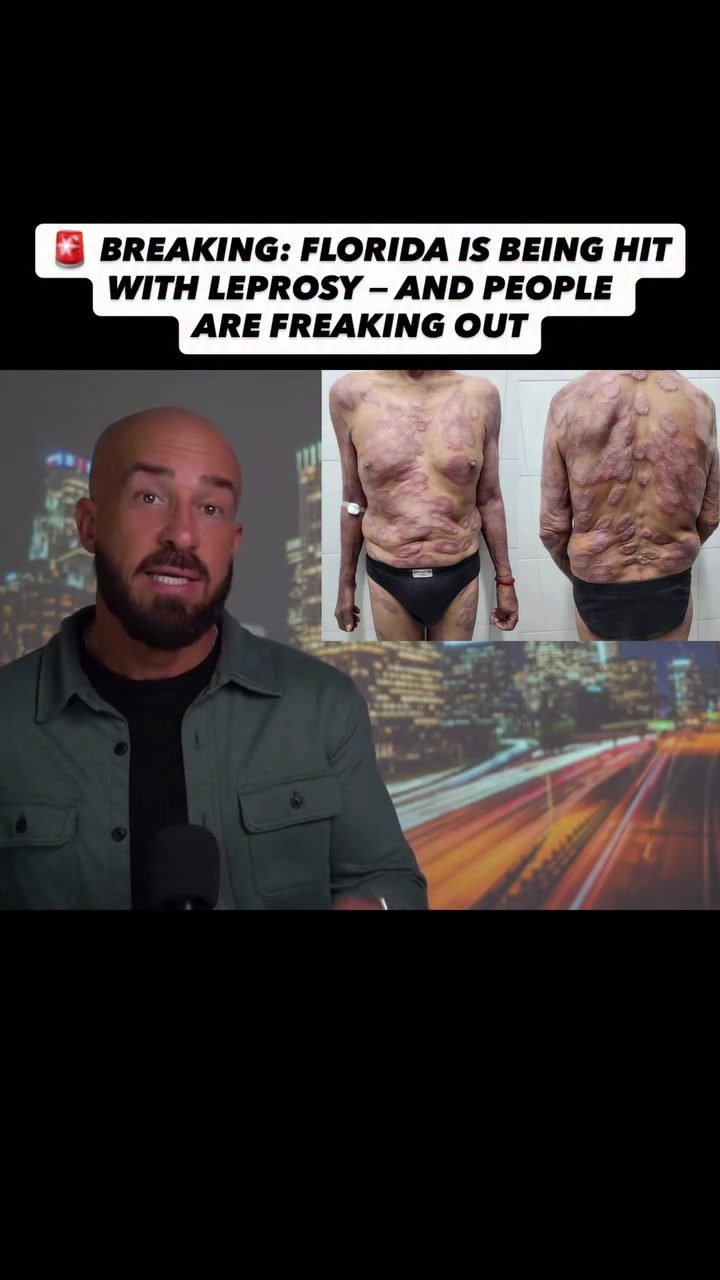
Leprosy in Florida
Florida has recently become a hotspot for leprosy, with health officials declaring the disease endemic to the state. This ancient disease, also known as Hansen's disease, is now regularly contracted by residents, not just by those who have traveled elsewhere. The sudden rise in cases has sparked concern and curiosity, with many wondering how this disease, once thought to be largely eradicated, has made a comeback.
Context / Why this matters
Leprosy is a bacterial infection that affects the skin and nerves. It is caused by Mycobacterium leprae and Mycobacterium lepromatosis, and can lead to skin lesions, nerve damage, and even disability if left untreated. The disease has been present in various parts of the world for centuries, but modern medicine has significantly reduced its prevalence. The recent outbreak in Florida is, therefore, particularly alarming.
Main discussion
The Armadillo Connection
Experts have linked the rise in leprosy cases to armadillos, which are known to carry the bacteria and can leave it in the soil. Armadillos are common in Florida and often come into contact with humans, especially those who work outdoors. Gardeners, farmers, and other individuals who spend significant time in the soil are at a higher risk of contracting the disease, particularly if they have cuts or breaks in their skin.
The armadillo-leprosy connection is not new; researchers have known for decades that armadillos can carry the bacteria. However, the recent increase in cases has brought this issue back into the spotlight. The bacteria can survive in the soil for an extended period, making it a potential source of infection for anyone who comes into contact with it.
Slow Onset and Increasing Cases
One of the challenges with leprosy is its slow onset. Symptoms can take years to appear, making it difficult to track the source of infection and to diagnose the disease in its early stages. This delay can lead to a higher likelihood of transmission, as infected individuals may unknowingly spread the bacteria to others.
Cases of leprosy in Florida have been increasing, and health officials are concerned about the potential for further spread. The declaration of leprosy as endemic in the state means that the disease is now considered a regular occurrence, rather than an isolated incident. This shift in classification underscores the urgency of the situation and the need for increased awareness and prevention efforts.
Transmissions and Prevention
The transmission of leprosy typically occurs through prolonged contact with an infected individual or through contact with contaminated soil. The bacteria can enter the body through breaks in the skin, making it crucial for those at higher risk to take precautions.
Prevention efforts should focus on educating the public about the risks associated with leprosy and promoting safe practices when working with soil. This includes wearing protective gear, such as gloves, and being mindful of any cuts or breaks in the skin. Early detection and treatment are also essential, as they can help prevent the spread of the disease and minimize its impact on those who are infected.
Practical tips
If you live or work in Florida, here are some practical tips to help reduce your risk of contracting leprosy:
-
Wear Protective Gear: Always wear gloves and other protective gear when working with soil. This includes gardening, farming, and any other outdoor activities that involve direct contact with the earth.
-
Cover Cuts and Scrapes: If you have any cuts, scrapes, or breaks in your skin, make sure to cover them with a bandage or other protective covering. This will help prevent the bacteria from entering your body.
-
Practice Good Hygiene: Wash your hands thoroughly after handling soil or coming into contact with armadillos. Use soap and warm water, and scrub your hands for at least 20 seconds.
-
Stay Informed: Keep up-to-date with the latest information about leprosy in Florida. This includes being aware of any new developments, such as changes in the number of cases or updates to prevention guidelines.
-
Seek Medical Attention: If you develop any symptoms of leprosy, such as skin lesions or nerve damage, seek medical attention immediately. Early diagnosis and treatment can help prevent the spread of the disease and minimize its impact on your health.
Important takeaways
Leprosy is a serious health concern in Florida, with cases on the rise and the disease now considered endemic to the state. The armadillo is a primary carrier of the bacteria, and those who work with soil are at a higher risk of infection. Prevention efforts should focus on educating the public about the risks and promoting safe practices. Early detection and treatment are also crucial for minimizing the impact of the disease.
Conclusion
The resurgence of leprosy in Florida is a reminder of the importance of vigilance and prevention when it comes to infectious diseases. By taking steps to protect ourselves and staying informed about the latest developments, we can help reduce the spread of leprosy and keep our communities safe. If you live or work in Florida, make sure to take the necessary precautions and seek medical attention if you develop any symptoms. Together, we can address this health concern and ensure the well-being of our communities.
Watch the Reel
Questions readers ask
What are the symptoms of leprosy that Florida residents should be aware of?
Leprosy symptoms include skin lesions, nerve damage, and muscle weakness. These can appear gradually, and early signs may be mild. If you or someone else experiences persistent skin patches or loss of sensation, consult a healthcare professional.
How can armadillos transmit leprosy to humans?
Armadillos can carry the bacteria responsible for leprosy, *Mycobacterium leprae*, and transmit it to humans through contact with their soil or bodily fluids. Direct contact with armadillos or their burrows increases the risk of infection, especially for those working outdoors.
Who is most at risk of contracting leprosy in Florida?
Outdoor workers, such as gardeners and farmers, are at higher risk due to their frequent contact with soil and potential exposure to armadillos. Additionally, those who live in regions with high armadillo populations should be cautious and take preventive measures.
What should I do if I suspect I have leprosy?
If you suspect you have leprosy, it is crucial to seek medical attention promptly. Early diagnosis and treatment can prevent the progression of the disease and reduce the risk of disability.
How can outdoor workers in Florida protect themselves from leprosy?
Outdoor workers can minimize their risk by wearing protective clothing, gloves, and shoes when working in areas where armadillos may be present. It is also advisable to avoid direct contact with armadillos and to wash hands thoroughly after outdoor activities.
Related deep dives
Similar reads based on topic and creator.


Recent articles
Fresh deep dives from the latest Reels we unpacked.




Comments
Be the first to comment.