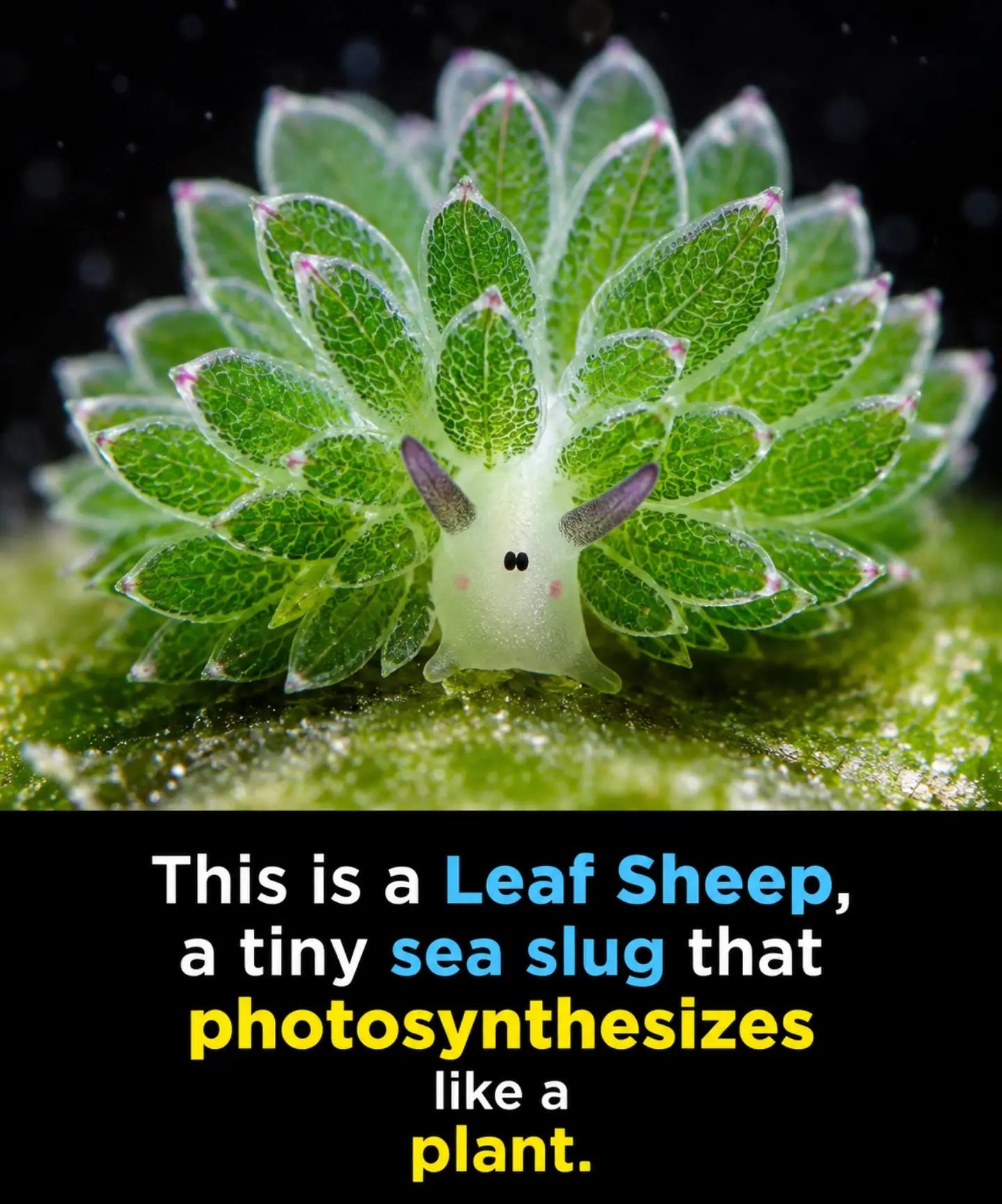
Leaf Sheep Sea Slug: Nature's Tiny Photosynthetic Marvel
The Leaf Sheep is a fascinating creature that blends the qualities of both plants and animals. This tiny sea slug, also known as Costasiella kuroshio, is renowned for its unique ability to photosynthesize, much like plants. Understanding this extraordinary sea slug offers insights into the remarkable adaptations found in nature.
Context: The Leaf Sheep's Unique Position in the Ecosystem
The Leaf Sheep's ability to photosynthesize sets it apart from other sea slugs and many other animals. This tiny creature, which resembles a leaf, has a symbiotic relationship with algae, specifically the genus Vaucheria. The Leaf Sheep harbors these algae within its tissues, allowing it to derive energy directly from sunlight, a process typically associated with photosynthetic plants. This adaptation is a prime example of how organisms can evolve to exploit multiple sources of energy, enhancing their survival and reproductive success.
The Leaf Sheep's Adaptations for Photosynthesis
Symbiotic Relationship with Algae
The Leaf Sheep's symbiotic relationship with the algae is crucial for its survival. The algae provide the sea slug with additional energy through photosynthesis, which helps the slug maintain its health and vitality.
Leaf-Like Appearance
The Leaf Sheep's appearance is another remarkable adaptation. Its leaf-like form not only provides camouflage, helping it blend into its environment, but also maximizes the surface area exposed to sunlight, enhancing its photosynthetic capabilities. This dual-purpose adaptation showcases the intricate balance between form and function in nature.
Feeding Habits
While the Leaf Sheep primarily obtains energy through photosynthesis, it still relies on a diet of the algae it harbors. This symbiotic relationship is mutually beneficial, as the algae receive protection and nutrients from the sea slug, while the slug benefits from the algae's photosynthetic energy.
The Importance of Photosynthetic Adaptations
Enhancing Survival
Photosynthesis is a critical adaptation for the Leaf Sheep, allowing it to thrive in environments where food may be scarce. The ability to derive energy directly from sunlight provides a reliable and continuous energy source, making the Leaf Sheep less dependent on external food sources.
Environmental Adaptation
The Leaf Sheep's adaptations are a testament to its resilience and ability to thrive in various marine environments. These adaptations allow it to occupy unique ecological niches, contributing to the biodiversity and health of marine ecosystems.
Conservation and Research
The Leaf Sheep's remarkable adaptations make it a subject of great interest for marine biologists and ecologists. Studying this sea slug can provide valuable insights into the mechanisms of photosynthesis, symbiotic relationships, and the broader ecological dynamics of marine environments. Conservation efforts focused on protecting the habitats of the Leaf Sheep and similar species are crucial for preserving these unique adaptations and the broader ecosystems they support.
Practical Tips for Observing and Studying the Leaf Sheep
Observing the Leaf Sheep in its natural habitat can be a rewarding experience. Here are some practical tips for those interested in studying or simply appreciating this fascinating creature:
Understanding the Right Environment
The Leaf Sheep is commonly found in shallow, sunlit waters, particularly in coral reefs and rocky shores. Knowing where to look is essential for spotting these tiny, leaf-like creatures.
Equipment and Techniques
Using a snorkel and mask or scuba gear can help you get a closer look at the Leaf Sheep. A underwater camera can also be useful for capturing detailed images and videos of these elusive creatures.
Conservation Awareness
It's important to practice responsible wildlife observation. Avoid disturbing the Leaf Sheep or its habitat, as this can harm the delicate balance of the ecosystem. Always follow local guidelines and respect marine conservation efforts.
Important Takeaways
The Leaf Sheep is a remarkable example of nature's diversity and adaptability. Its unique ability to photosynthesize and its leaf-like appearance are just a few of the adaptations that make this tiny sea slug a fascinating subject of study. By understanding and appreciating these adaptations, we can gain a deeper appreciation for the complexity and beauty of marine ecosystems.
Conclusion
While the Leaf Sheep may be small, its impact on our understanding of marine biology and photosynthesis is significant. This tiny sea slug serves as a reminder of the intricate and often surprising ways in which organisms adapt to their environments. Whether you are a marine biologist, an ocean enthusiast, or simply curious about the wonders of nature, the Leaf Sheep offers a captivating glimpse into the diversity and resilience of marine life.
Watch the Reel
Questions readers ask
Why does the Leaf Sheep have a leaf-like appearance?
The Leaf Sheep, or Costasiella kuroshio, has a leaf-like appearance due to its symbiotic relationship with algae. The algae, stored within its tissues, give the sea slug a green color, and its shape mimics a leaf, aiding in camouflage and photosynthesis.
How does the Leaf Sheep perform photosynthesis?
The Leaf Sheep performs photosynthesis through a unique relationship with algae. The algae live within the sea slug's tissues and convert sunlight into energy, which the Leaf Sheep can then use for its own nourishment.
What makes the Leaf Sheep different from other sea slugs?
The Leaf Sheep stands out from other sea slugs due to its ability to photosynthesize. While most sea slugs are predators, the Leaf Sheep can derive energy from sunlight, thanks to its symbiotic relationship with algae.
What is the significance of the Leaf Sheep's symbiotic relationship with algae?
The symbiotic relationship between the Leaf Sheep and the algae is crucial for the sea slug's survival. The algae provide the Leaf Sheep with a continuous source of energy through photosynthesis, while the sea slug offers the algae protection and mobility.
Can the Leaf Sheep survive without its symbiotic algae?
The Leaf Sheep relies heavily on its symbiotic algae for energy. Without this relationship, the Leaf Sheep would struggle to find sufficient food sources, as it lacks the ability to hunt or forage effectively like other sea slugs.
How does the Leaf Sheep benefit from its green color?
The Leaf Sheep's green color, a result of the algae living within its tissues, serves a dual purpose. It aids in camouflage, helping the sea slug blend in with its surroundings to avoid predators. Additionally, the green color indicates the presence of chlorophyll, essential for photosynthesis.
Related deep dives
Similar reads based on topic and creator.




Recent articles
Fresh deep dives from the latest Reels we unpacked.

Comments
Be the first to comment.