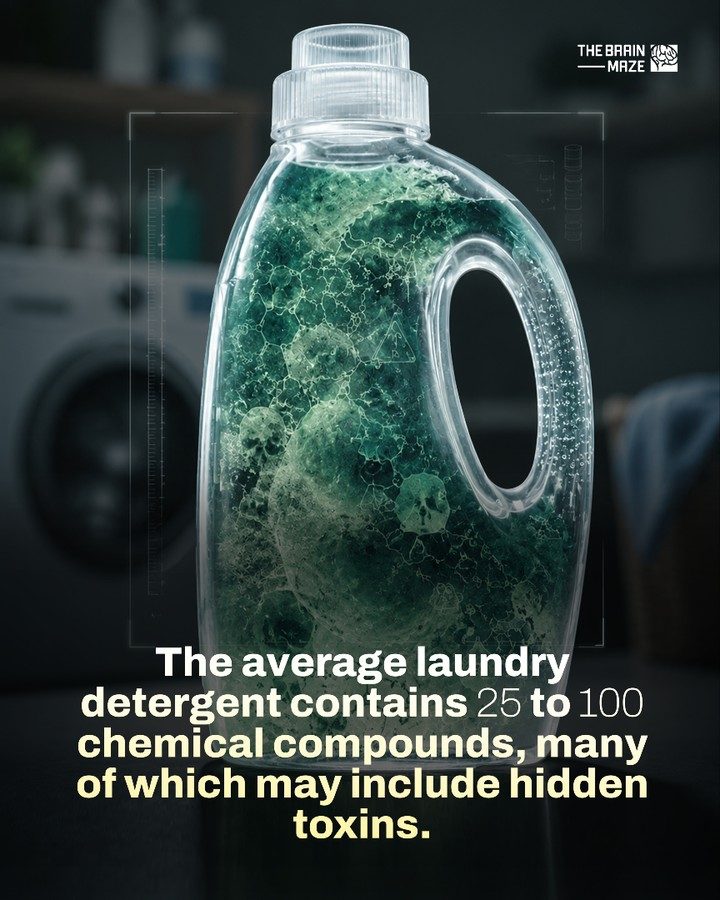
Laundry Detergent Chemicals: Understanding the Hidden Ingredients
Every time you do laundry, you probably think about the cleanliness of your clothes. However, you might not be aware of the complex mix of chemicals that go into the process. Laundry detergents typically contain between 25 to 100 chemical compounds. Some of these compounds can be harmful and may linger on clothes, coming into direct contact with your skin. This raises important questions about long-term exposure, skin sensitivity, and overall health. Understanding the chemicals in laundry detergents is crucial for making informed choices about the products we use in our homes.
Why This Matters
Choosing the right laundry detergent is more than just about getting your clothes clean. It's about understanding the potential impact of these products on your health and the environment. Laundry detergents are designed to remove dirt, stains, and odors, but the chemicals they contain can have unintended consequences. Some of these chemicals may be toxic, and prolonged exposure can lead to various health issues. For instance, skin sensitivity and irritation are common problems associated with certain chemicals found in detergents. Moreover, the environmental impact of these chemicals is also a growing concern. By being informed about the ingredients in your laundry detergent, you can take steps to minimize these risks and make healthier choices for you and your family.
What Are the Chemicals in Laundry Detergent?
Common Chemicals and Their Effects
Laundry detergents are composed of a variety of chemicals, each serving a specific purpose. Here are some of the most common chemicals found in laundry detergents and their potential effects:
-
Surfactants: These are responsible for breaking down dirt and stains. While generally safe, some surfactants can cause skin irritation and allergies in sensitive individuals.
-
Optical Brighteners: These chemicals make fabrics appear brighter and whiter by absorbing UV light. However, they can cause skin irritation and may be harmful to aquatic life.
-
Fragrances: Added for a pleasant scent, fragrances can contain a mix of chemicals, some of which may be allergens and endocrine disruptors. While most people enjoy the smell, those with sensitive skin or allergies might experience reactions.
-
Phosphates: These are often used to soften water and enhance cleaning power. Although effective, phosphates can contribute to water pollution and harm aquatic ecosystems.
-
Preservatives: Added to prevent bacterial growth, these can include formaldehyde and other potentially harmful chemicals. Formaldehyde, in particular, is a known carcinogen.
The Dangers of Hidden Toxins
The term "hidden toxins" refers to chemicals in laundry detergents that may not be immediately obvious but can have long-term health effects. These toxins can linger on clothes and come into contact with your skin, potentially causing irritation, allergies, or even more serious health issues. For example, some detergents contain phthalates, which are known to disrupt hormones and have been linked to reproductive issues and other health problems. Additionally, certain detergents may contain carcinogens, which can increase the risk of cancer with prolonged exposure.
Practical Tips for Choosing Safer Laundry Detergents
Reading Labels
One of the most effective ways to ensure you're using a safer laundry detergent is to read the labels carefully. Look for products that clearly list their ingredients and avoid those with long, complicated names or those that simply list "fragrance" without specifying what it contains. Transparent labeling is a good indicator that the manufacturer is committed to using safer ingredients.
Opting for Natural Alternatives
For those looking to minimize their exposure to potentially harmful chemicals, opting for natural or plant-based detergents can be a good choice. These products often use ingredients derived from natural sources, such as essential oils for fragrance and plant-based surfactants. While they may not always be as effective as conventional detergents, they are generally gentler on the skin and more environmentally friendly.
DIY Laundry Detergent
If you're feeling adventurous, making your own laundry detergent can be a cost-effective and eco-friendly solution. DIY detergents often use basic ingredients like baking soda, washing soda, and castile soap, which are generally safe and gentle on the skin. However, keep in mind that homemade detergents may require some trial and error to get the right balance of cleaning power and gentleness.
Choosing Reputable Brands
When choosing a laundry detergent, it's important to select brands that are known for their commitment to safety and transparency. Some brands specialize in making eco-friendly and non-toxic products, and they are more likely to use safer ingredients. Researching brands and looking for certifications, such as EcoCert or the Environmental Working Group's (EWG) seal, can help you make an informed decision.
Important Takeaways
- Laundry detergents can contain a wide range of chemicals, some of which may be harmful to your health and the environment.
- Reading labels, opting for natural alternatives, and choosing reputable brands can help you make safer choices.
- DIY laundry detergent is a viable option for those looking to minimize their exposure to potentially harmful chemicals.
- Understanding the potential risks of laundry detergent chemicals is crucial for making informed decisions about the products you use in your home.
Conclusion
The chemicals in laundry detergents are a complex and often overlooked aspect of our daily lives. By understanding the potential risks and making informed choices, you can take steps to protect your health and the environment. Whether you opt for natural alternatives, make your own detergent, or choose a reputable brand, being aware of the ingredients in your laundry detergent is an important step towards a healthier lifestyle.
Watch the Reel
Questions readers ask
What are some common harmful chemicals found in laundry detergents?
Common harmful chemicals in laundry detergents include phthalates, formaldehyde, and 1,4-dioxane. These can linger on clothes and potentially cause skin irritation or even more serious health issues with prolonged exposure. Phthalates, for example, are known to disrupt hormones in the body, while 1,4-dioxane is a known carcinogen. Formaldehyde is a preservative that can cause skin and eye irritation and is linked to respiratory issues.
How do these chemicals affect the environment?
Laundry detergents can have significant environmental impacts. Many detergents contain phosphates and synthetic fragrances that can pollute waterways, harming aquatic life and contributing to issues like algae blooms. Additionally, the production and disposal of detergents contribute to carbon emissions and plastic waste, further impacting the environment.
What are some signs of laundry detergent residue on clothes?
If you notice a lingering scent on your clothes after washing, or if you experience skin irritation, these could be signs of laundry detergent residue. Additionally, if your clothes feel sticky or have a dull appearance, it might indicate that detergents are not being rinsed out properly, potentially leaving harmful chemicals behind.
Are there safer alternatives to conventional laundry detergents?
Yes, there are many safer, eco-friendly alternatives to conventional laundry detergents. These can include plant-based detergents, which use natural ingredients and avoid harsh chemicals. Look for products that are free from phosphates, formaldehyde, and synthetic fragrances. Brands like Seventh Generation, Puracy, and Biokleen are popular choices for those seeking safer options.
What are the health risks associated with laundry detergent chemicals?
Exposure to certain chemicals in laundry detergents can lead to a range of health issues, including skin irritation, respiratory problems, and even more serious conditions like hormone disruption and increased risk of cancer. People with sensitive skin or allergies, as well as children and pets, may be particularly vulnerable to these health risks. Ensuring proper rinsing and choosing gentler detergents can help mitigate these risks.
How can I choose a safe laundry detergent?
To choose a safe laundry detergent, look for products that are clearly labeled as free from harmful chemicals. Check for certifications from organizations like the EcoCert, which ensure that the product meets stringent environmental and health standards. Additionally, consider using natural or plant-based detergents, as these are generally safer and gentler on both your skin and the environment.
What are the benefits of using natural laundry detergent brands?
Natural laundry detergent brands offer several benefits, including reduced skin irritation, improved water quality, and a smaller environmental footprint. These detergents typically avoid synthetic fragrances, phthalates, and other harmful chemicals, making them a safer choice for households with sensitive skin or predisposed allergies. Additionally, many natural detergents are biodegradable, which helps minimize pollution in waterways and preserves local ecosystems.
Related deep dives
Similar reads based on topic and creator.



Recent articles
Fresh deep dives from the latest Reels we unpacked.




Comments
Be the first to comment.