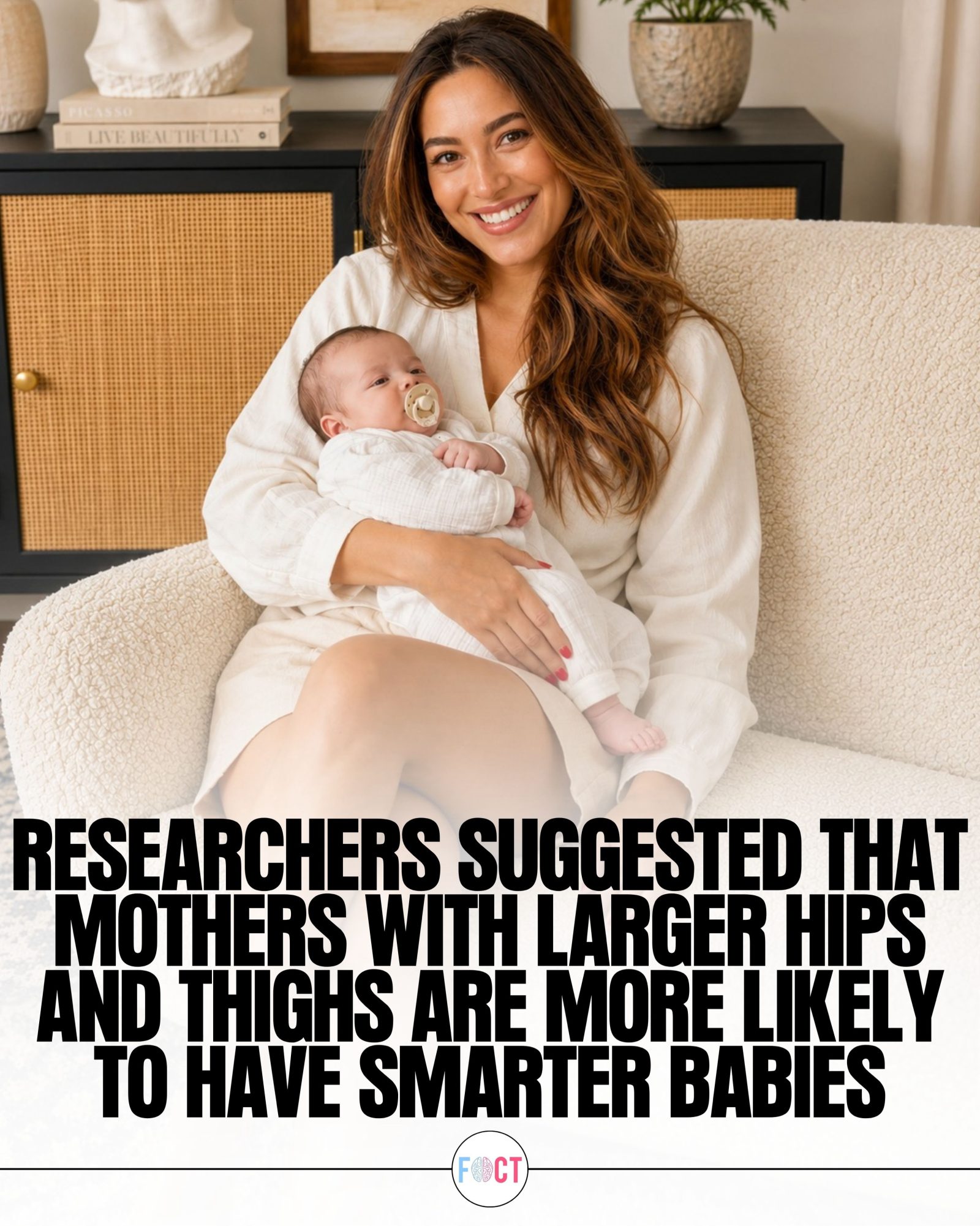
Motherhood and Body Composition
Motherhood brings about numerous physiological changes, one of which is the redistribution of fat. Some researchers have proposed that fat stored in a mother’s hips, thighs, and buttocks may act as a reserve of omega-3 fatty acids. These fatty acids are crucial for a baby’s brain and nervous system development. This evolutionary theory suggests that the body may draw on these lower-body fat stores during pregnancy and breastfeeding to support early brain growth.
Why This Matters
Understanding the relationship between a mother's body composition and her baby's development can be empowering for expecting mothers. This knowledge can help them make more informed decisions, which can contribute to their overall well-being and the health of their babies. However, it is important to remember that a child’s cognitive development depends on multiple factors, including genetics, nutrition, health, environment, and education.
Key Research Findings
The Role of Omega-3 Fatty Acids
The research suggests that fat stored in a mother’s hips, thighs, and buttocks may act as a reserve of omega-3 fatty acids. These essential nutrients are vital for the development of the fetal brain. The theory posits that the body draws on these lower-body fat stores during pregnancy and breastfeeding to supply the necessary nutrients for early brain growth. This idea is grounded in the fact that human infants are born with large, rapidly developing brains, which require substantial nutritional support.
Evolutionary Perspective
From an evolutionary standpoint, these fat reserves may have evolved to support the unique demands of human infant development. The theory suggests that these reserves ensure that the developing fetus and newborn receive the necessary nutrients for optimal brain growth. This is particularly relevant given the significant energy and nutritional requirements of the developing brain during the early stages of life.
Multifactorial Influence on Cognitive Development
It is crucial to recognize that a child’s cognitive development is influenced by multiple factors, not just a mother’s body composition. Genetics, nutrition, health, environment, and education all play significant roles in shaping a child's cognitive abilities. Therefore, while a mother’s physique may contribute to her baby's early brain development, it is not the sole determinant of intelligence.
Practical Tips
Nutrition During Pregnancy
Expecting mothers should focus on a balanced diet rich in essential nutrients, including omega-3 fatty acids. Foods like fatty fish (e.g., salmon, mackerel), nuts, and seeds are good sources of these nutrients. Supplementing with prenatal vitamins that include omega-3 fatty acids can also be beneficial, but it's essential to consult a healthcare provider before starting any supplement regimen.
Regular Exercise
Engaging in regular, low-impact exercises, such as swimming, walking, or prenatal yoga, can help maintain overall health and well-being. Exercise can also support a healthy weight gain during pregnancy, which is crucial for both maternal and fetal health.
Adequate Rest
Prenatal care is crucial in all aspects of a mother's health. Ensuring adequate rest and managing stress levels can significantly impact the overall health of the mother and the developing baby. Getting enough sleep and rest can improve mood, reduce stress and enhance overall health.
Prenatal Check-Ups
Regular prenatal check-ups are essential for monitoring both the mother’s and the baby’s health. These visits provide an opportunity for healthcare providers to address any concerns, offer guidance, and ensure that both the mother and the baby are progressing well.
Breastfeeding Support
Breastfeeding provides numerous benefits for both the mother and the baby. It helps in the transfer of essential nutrients, supports the baby's immune system, and can also aid in postpartum weight loss for the mother. Seeking support and guidance from healthcare providers or lactation consultants can make breastfeeding a more manageable and positive experience.
Important Takeaways
Individual Variations
It’s important to recognize that every woman’s body responds differently to pregnancy and breastfeeding. Some may naturally store more fat in their hips, thighs, and buttocks, while others may not. Individual variations in body composition do not necessarily indicate a difference in the ability to support a baby’s development.
Holistic Approach
A holistic approach to maternal and infant health is essential. This includes focusing on a balanced diet, regular exercise, adequate rest, and regular prenatal check-ups. While the research on fat reserves is intriguing, it is just one piece of the puzzle in understanding a baby’s cognitive development.
Support and Understanding
Expecting mothers should be supported and understood, recognizing that each pregnancy is unique. Emotional and psychological support can play a significant role in promoting maternal well-being and, consequently, the health of the baby.
Conclusion
The relationship between a mother’s body composition and her baby’s development is a multifaceted and complex topic. While research suggests that fat stored in a mother’s hips, thighs, and buttocks may act as a reserve of omega-3 fatty acids, it is crucial to understand that this is just one of many factors influencing a child’s cognitive development. Nutrition, regular exercise, adequate rest, and prenatal check-ups are all essential components of a healthy pregnancy.
Recognizing the importance of these factors can help expecting mothers make informed decisions and promote the overall well-being of both themselves and their babies.
Watch the Reel
Questions readers ask
How does a mother's body composition affect her baby's brain development?
A mother's body composition, particularly the distribution of fat in her hips and thighs, can influence her baby's brain development. These areas may store omega-3 fatty acids, which are essential for fetal brain growth and nervous system development. During pregnancy and breastfeeding, the body can utilize these fat reserves to support the baby's early brain development, highlighting the significance of maternal body composition in infant health.
What are omega-3 fatty acids and why are they important for fetal brain growth?
Omega-3 fatty acids are a type of polyunsaturated fat that plays a critical role in fetal brain growth and development. They are essential for the formation of brain cells and the functioning of the nervous system. During pregnancy, a mother's body may draw on omega-3 fatty acids stored in her hips and thighs to support her baby's brain and nervous system development.
How does the body's fat storage in the hips and thighs benefit the baby’s health?
Fat stored in a mother's hips and thighs may act as a reserve of omega-3 fatty acids, which are crucial for a baby's brain and nervous system development. As the body draws on these reserves during pregnancy, these fat storage areas can provide a natural advantage in supporting the baby's early brain development and overall health.
Is there a correlation between a mother's hip size and her baby’s intelligence?
While it is not accurate to directly correlate a mother's hip size with her baby’s intelligence, research suggests that a mother's body composition, including the size of her hips and thighs, can influence her baby's brain development. The omega-3 fatty acids stored in these areas contribute to fetal brain growth, which can potentially support cognitive development in the baby.
How can understanding maternal body composition aid in making informed decisions during pregnancy?
Knowledge about the relationship between a mother's body composition and her baby's development can empower expecting mothers to make more informed decisions regarding their health and nutrition. This understanding can guide them in maintaining a balanced diet and overall well-being, which can contribute to their baby’s brain and nervous system development during pregnancy and breastfeeding.
What are the evolutionary benefits of maternal fat storage in the hips and thighs during pregnancy?
From an evolutionary perspective, the body may have developed to store fat in the hips, thighs, and buttocks as a reserve of omega-3 fatty acids. This adaptation allows the body to draw on these reserves during pregnancy and breastfeeding to support the baby's brain and nervous system development, ensuring optimal health and growth for the offspring.
Recent articles
Fresh deep dives from the latest Reels we unpacked.




Comments
Be the first to comment.