Ladybugs: Tiny Guardians of Gardens
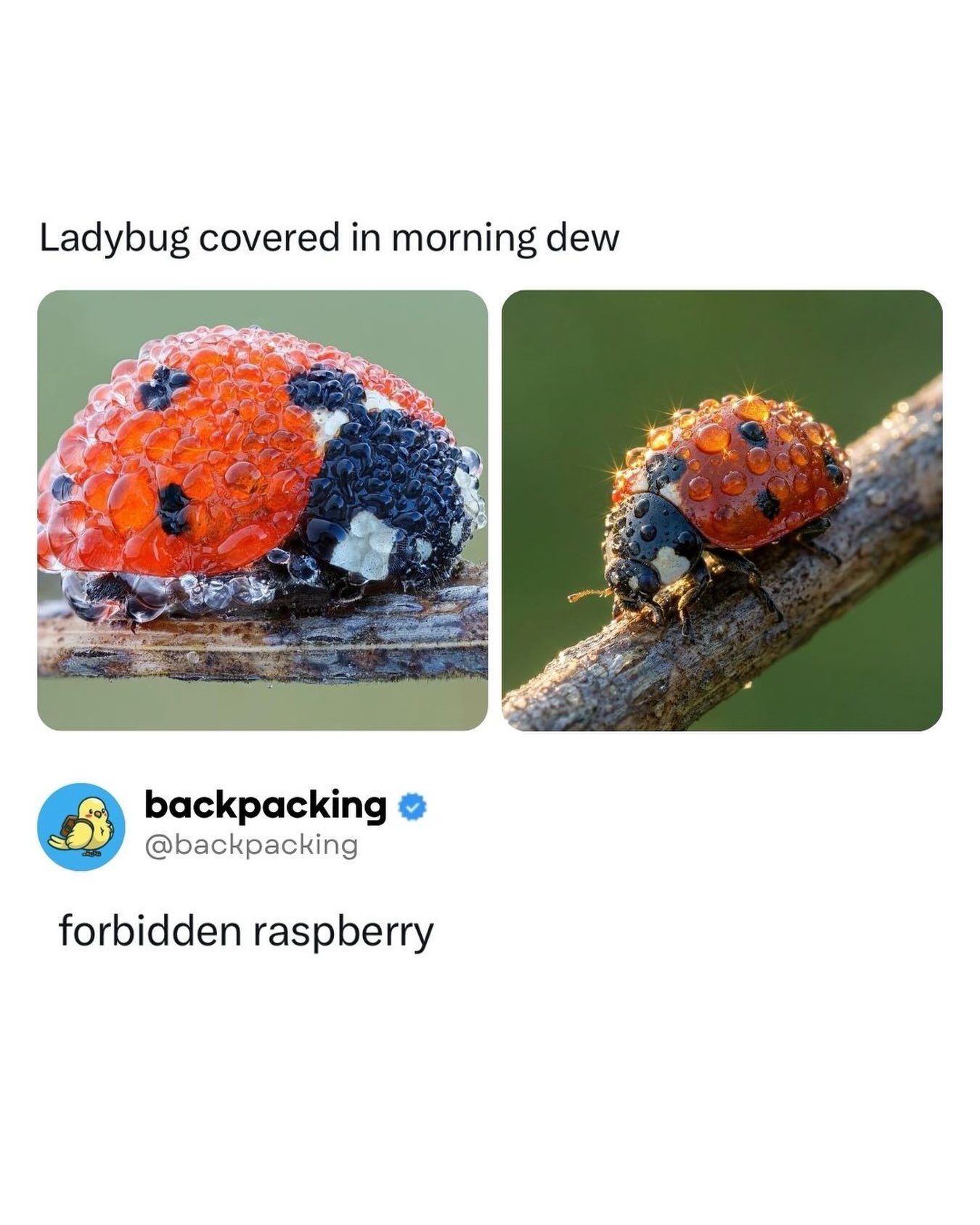
Ladybugs, despite their small size, are vital players in maintaining the health of gardens. These tiny beetles are natural predators of aphids and other plant pests, helping to keep gardens thriving without the need for harmful pesticides. Captured through macro photography, a ladybug covered in sparkling morning dew reveals a world often invisible to the naked eye. Each droplet glistens like a jewel, transforming an ordinary insect into a breathtaking work of art.
Context / Why this matters
Ladybugs play a crucial role in garden ecosystem. They are often the first line of defense against pests like aphids. By feeding on these pests, ladybugs help prevent infestations that can damage or destroy plants. Their presence in a garden can lead to healthier plants and reduced need for chemical pesticides, making them an asset to both small home gardens and larger agricultural operations.
The Magic of Macro Photography
Macro photography opens up a world of microscopic details that are usually invisible to the human eye. By focusing on the intricate textures and patterns of tiny subjects, like a ladybug covered in morning dew, macro photography brings these tiny details to life.
Capturing the Unseen
Macro photography requires specialized equipment, such as macro lenses or extension tubes, which allow the camera to focus on subjects that are very close. When combined with natural lighting, such as early morning dew, the results can be stunning. The dewdrops on a ladybug's wings and body act like tiny prisms, refracting light and creating a sparkling, jewel-like effect. This transformation of an everyday insect into a dazzling work of art highlights the beauty that can be found in the smallest details of nature.
Technical Tips for Macro Photography
To capture the beauty of a ladybug or any other small subject, consider the following tips:
- Use a Macro Lens or Extension Tubes: These tools allow you to focus on subjects that are very close to the camera, revealing details that are usually invisible.
- Natural Lighting: Early morning or late afternoon light can enhance the textures and colors of your subject. Avoid harsh midday sun, which can create stark shadows.
- Stable Setup: A tripod or a sturdy surface can help keep your camera steady, which is crucial for close-up shots. Any movement can blur the image.
- Depth of Field: Use a small aperture (high f-number) to increase the depth of field, keeping more of the subject in focus. This is especially important for tiny subjects where every detail matters.
The Role of Ladybugs in Nature
Ladybugs are more than just pretty insects; they are beneficial to the environment. Their natural predatory instincts make them an invaluable tool for pest control in gardens.
Natural Pest Control
Ladybugs feed on a variety of plant pests, including aphids, mites, and scale insects. By consuming these pests, ladybugs help to keep plant populations healthy. This natural form of pest control is not only effective but also environmentally friendly, as it reduces the need for chemical pesticides that can harm other beneficial insects and pollute waterways.
Ladybugs and Biodiversity
Ladybugs contribute to the overall biodiversity of an ecosystem. Their presence can help maintain a balance between different species, ensuring that no single pest population grows out of control. This balance is crucial for the health of the entire garden or agricultural landscape.
Practical Tips for Attracting Ladybugs to Your Garden
If you want to attract ladybugs to your garden, there are several strategies you can use to create a welcoming environment for these beneficial insects.
Plant the Right Flowers
Ladybugs are attracted to certain types of flowers that provide nectar and pollen. Some of the best plants to attract ladybugs include:
- Marigolds: These bright, vibrant flowers are not only beautiful but also attract ladybugs.
- Dill: This herb is a favorite of many beneficial insects, including ladybugs.
- Yarrow: This plant produces clusters of small flowers that are attractive to ladybugs and other pollinators.
Provide Shelter
Ladybugs need a place to hide and rest. Adding small shelters, such as leaves and twigs, or creating a "bug hotel" can provide the safe spaces ladybugs need. These shelters can be made from small pieces of bark, pine cones, or even rice straw.
Avoid Pesticides
Chemical pesticides can harm or kill beneficial insects like ladybugs. Opt for natural pest control methods, such as introducing ladybugs to your garden or using companion planting to deter pests.
Water Sources
A small dish of water can provide a valuable resource for ladybugs, especially during dry periods. Ensure the water is clean and change it regularly to prevent mosquito breeding.
Important Takeaways
Ladybugs are not just cute and colorful; they play a crucial role in maintaining the health of gardens and ecosystems. By understanding their importance and providing the right conditions, you can attract these beneficial insects to your garden and enjoy the beauty and benefits they bring.
Beauty in the Details
Macro photography reveals the beauty that is often hidden from the naked eye. The intricate patterns and textures of a ladybug covered in dew become a breathtaking work of art. This transformation highlights the extraordinary beauty that can be found in the smallest details of nature.
Environmental Benefits
Ladybugs' natural predatory instincts make them an effective and environmentally friendly tool for pest control. Their presence can reduce the need for harmful chemical pesticides, contributing to a healthier and more sustainable garden.
Attracting Ladybugs
By planting the right flowers, providing shelter, avoiding pesticides, and offering water sources, you can create a welcoming environment for ladybugs. These small steps can have a big impact on the health and biodiversity of your garden.
Conclusion
Ladybugs are more than just charming insects; they are essential guardians of garden health. By appreciating their role and creating a welcoming environment, you can enjoy the beauty and benefits of these tiny, jewel-like creatures. Macro photography offers a unique perspective on the natural world, revealing details that are often overlooked. By combining these two worlds—nature and photography—we can gain a deeper appreciation for the small wonders that surround us.
Watch the Reel
Questions readers ask
What makes ladybugs important for gardens?
Ladybugs are crucial for garden health as they naturally control pests like aphids. By feeding on these pests, they help prevent infestations and reduce the need for harmful pesticides, making gardens thrive with minimal intervention.
How does macro photography enhance our perception of ladybugs?
Macro photography allows us to see the intricate details of ladybugs that are often invisible to the naked eye. It reveals a tiny, bejeweled world, transforming these insects into stunning works of art, and offering a unique perspective on nature's beauty.
What is the significance of ladybugs in the morning?
Ladybugs in the morning, especially when covered in dew, present a captivating sight. The dew droplets create a jewelled effect, enhancing their natural allure and providing excellent opportunities for photography, particularly in the month of May when ladybugs are most active.
What role do ladybugs play in the ecosystem?
In a natural ecosystem, ladybugs serve as tiny predators, helping to control pests. They are often the first line of defense against aphids and other plant pests, playing a vital role in maintaining the balance and health of gardens and agricultural landscapes.
What is the best time for ladybug photography?
The best time for ladybug photography is in the morning, especially after a night of dew. This is when ladybugs are often seen with droplets of dew on their bodies, creating a stunning, bejeweled effect that makes for captivating images.
What do ladybugs do in gardens?
Ladybugs act as natural pest controllers in gardens. They feed on various plant pests, particularly aphids, helping to keep these populations in check and ensuring the health of plants. Their presence can significantly reduce the need for chemical interventions.
Why are ladybugs often associated with the month of May?
Ladybugs are often associated with May because this is a time when they are particularly active. The warm weather and the abundance of pests make May an ideal time to observe and appreciate these beneficial insects, especially in their role as natural predators.
Related deep dives
Similar reads based on topic and creator.


Recent articles
Fresh deep dives from the latest Reels we unpacked.



Comments
Be the first to comment.