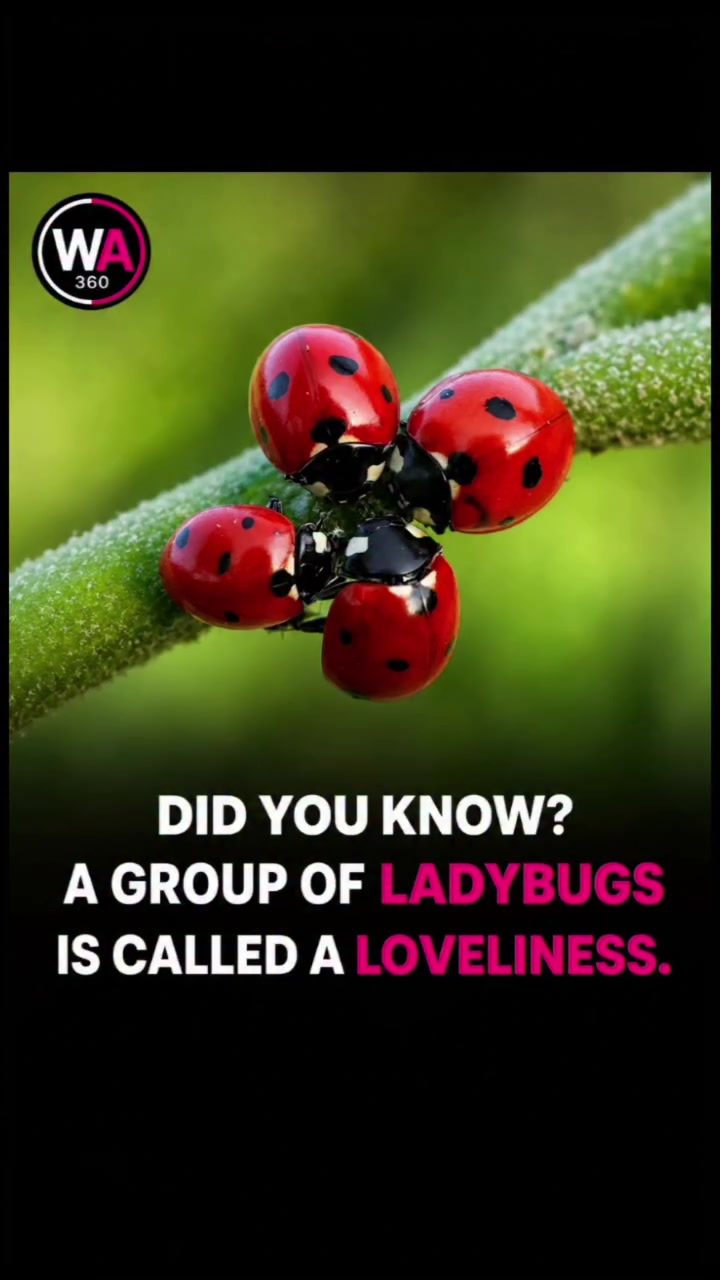
Ladybugs: Nature's Tiny Guardians
Ladybugs, those enchanting little red beetles, are more than just cute; they're vital players in the ecosystem. Known for their vibrant colours and delicate spots, ladybugs are often admired for their beauty, but their true significance lies in their role as natural pest controllers.
Tiny Creatures, Big Impact
A group of ladybugs is affectionately known as a "loveliness," a term that perfectly captures their charming appearance and beneficial nature. These tiny creatures are more than just ornamental; they are a gardener’s best friend. By feeding on aphids and other harmful pests, ladybugs help protect plants from damage, making them invaluable in both farming and gardening.
Ladybugs are part of the coccinellid beetle family, with over 6,000 species identified globally. While most are red with black spots, their appearance can vary significantly. Some species are orange, yellow, or even black with red spots. Regardless of their colour, ladybugs are all formidable predators, each with a unique appetite for different pests.
Predatory Habits
Ladybugs are voracious predators, feeding on aphids, mites, and other small insects that can harm crops and plants. A single ladybug can consume up to 50 aphids per day, making them a natural and effective method of pest control. Their larvae are even more ravenous, capable of eating hundreds of aphids before they mature. This makes ladybugs a natural and eco-friendly way to fight pests, reducing the need for chemical pesticides.
Life Cycle
The life cycle of a ladybug is fascinating and consists of four stages: egg, larva, pupa, and adult. Female ladybugs lay their eggs near aphid colonies, ensuring that the larvae have a ready food source upon hatching. The larvae are often mistaken for pests themselves due to their worm-like appearance, but they are just as effective as adults in controlling pest populations.
Once they hatch, the larvae feed on aphids and other small insects. After several moults, they enter the pupa stage, attaching themselves to a leaf or stem and transforming into the adult form. The entire process can take anywhere from a few weeks to a couple of months, depending on the species and environmental conditions.
The Benefits of Ladybugs in Agriculture
Ladybugs are a boon for farmers and gardeners alike. Their natural pest-control abilities help maintain healthy crops and reduce the need for chemical pesticides. This not only benefits the environment but also results in healthier, more sustainable produce.
Biological Pest Control
Using ladybugs for pest control is a form of biological control, where natural predators are introduced to manage pest populations. This method is both effective and environmentally friendly, as it does not involve the use of harmful chemicals. Ladybugs can be purchased from garden supply stores and released into gardens and farms to control pest populations naturally.
Environmental Impact
The use of ladybugs for pest control has a positive environmental impact. By reducing the need for chemical pesticides, farmers can minimize their impact on the environment. This is particularly important in organic farming, where the use of synthetic pesticides is prohibited. Ladybugs help in maintaining a balanced ecosystem, ensuring that harmful pests do not overrun crops and gardens.
Economic Benefits
The economic benefits of using ladybugs for pest control are also significant. Reducing the need for chemical pesticides can lower farming costs, and healthier crops can lead to higher yields. Additionally, consumers are increasingly demanding organic and sustainably grown produce, and using ladybugs for pest control can help farmers meet this demand.
Practical Tips for Attracting and Using Ladybugs
If you want to attract ladybugs to your garden or farm, there are several steps you can take. Planting flowers that produce nectar and pollen, such as dill, fennel, and yarrow, can provide a food source for ladybugs. Additionally, reducing the use of chemical pesticides will make your garden more hospitable to these beneficial insects.
Creating a Ladybug-Friendly Environment
To create a ladybug-friendly environment, consider the following tips:
- Plant Native Flowers: Ladybugs are attracted to native flowers, which provide them with nectar and pollen. Planting a variety of native flowers in your garden can help attract ladybugs.
- Avoid Chemical Pesticides: Chemical pesticides can harm ladybugs and other beneficial insects. Reducing their use can help create a more hospitable environment for ladybugs.
- Provide Shelter: Ladybugs need shelter to overwinter and lay their eggs. Providing them with a sheltered space, such as a pile of leaves or a stack of firewood, can help attract and retain them in your garden.
- Release Ladybugs: If you want to ensure a steady population of ladybugs in your garden, consider purchasing and releasing them. You can buy ladybugs from garden supply stores and release them into your garden to control pest populations.
Important Takeaways
Ladybugs may be small, but their impact on the ecosystem is significant. Their natural pest-control abilities make them invaluable to farmers and gardeners alike. By understanding their life cycle, habits, and the benefits they bring to agriculture, we can better harness their potential and create a more sustainable and eco-friendly environment.
The Natural Pest Control Solution
Ladybugs offer a natural and effective solution to pest control, reducing the need for harmful chemicals and promoting a healthier environment. Their ability to consume large numbers of pests makes them an excellent choice for biological pest control, benefiting both the environment and the economy.
Preserving Biodiversity
By supporting and fostering ladybug populations, we can help preserve biodiversity. Ladybugs play a crucial role in maintaining the balance of ecosystems, and their presence can indicate a healthy environment. Encouraging ladybug habitats and reducing the use of chemical pesticides can help preserve these beneficial insects and the ecosystems they support.
Conclusion
Ladybugs, with their vibrant colours and charming appearance, are not just beautiful insects; they are nature's tiny guardians. Their role in pest control and their positive impact on the environment make them invaluable to both farmers and gardeners. By understanding the significance of these tiny creatures and providing them with a supportive environment, we can harness their natural abilities to create a more sustainable and eco-friendly world.
Watch the Reel
Questions readers ask
Why are ladybugs often referred to as a 'loveliness'?
The term 'loveliness' is used to describe a group of ladybugs due to their charming and appealing appearance. This collective noun captures their beauty and the beneficial role they play in the ecosystem.
What is the primary role of ladybugs in the ecosystem?
Ladybugs play a crucial role in natural pest control. They feed on harmful pests such as aphids and mites, which helps protect plants from damage and promotes healthy plant growth.
How do ladybugs help in gardening and farming?
Ladybugs are invaluable in gardening and farming as they help control pests that can harm crops. By feeding on these pests, they reduce the need for chemical pesticides, making them a natural and effective solution for pest management.
What do ladybugs eat?
Ladybugs primarily feed on aphids and other small, soft-bodied insects that are harmful to plants. This diet makes them excellent for natural pest control, as they help keep plant-damaging populations in check.
What are some fascinating facts about ladybugs?
Ladybugs are part of the coccinellid beetle family and are found in various colours and patterns. There are over 6,000 species of ladybugs worldwide, each contributing to natural pest control and plant protection in unique ways.
How do ladybugs benefit the environment?
Ladybugs benefit the environment by controlling pest populations naturally. They help maintain ecological balance, reduce the use of harmful pesticides, and promote healthy plant growth in both natural and cultivated ecosystems.
Related deep dives
Similar reads based on topic and creator.




Recent articles
Fresh deep dives from the latest Reels we unpacked.




Comments
Be the first to comment.