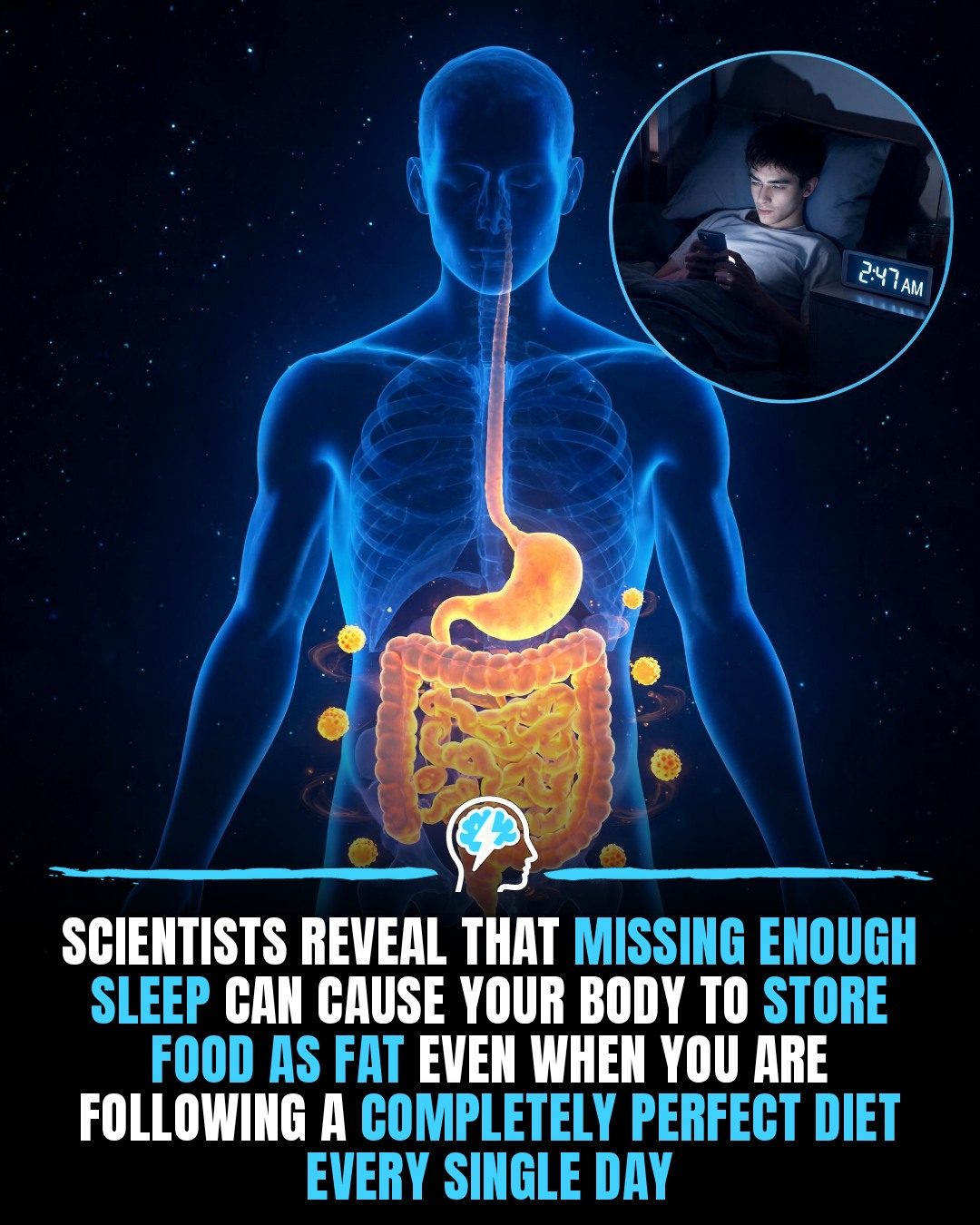
Sleep and Fat Storage: How Lack of Sleep Can Sabotage Your Fitness Goals
Sleep is often overlooked when it comes to weight management and fitness. However, recent insights reveal that insufficient sleep can significantly impact your body's ability to process and store fat, even if you maintain a disciplined diet and exercise regimen. Understanding the intricacies of this relationship can help you make more informed decisions about your sleep habits and overall health.
Context: Why This Matters
In today's fast-paced world, many people prioritize work, social activities, or late-night binge sessions over adequate sleep. While it might seem harmless to cut a few hours from your nightly rest, the consequences can be far more detrimental than you might imagine. Lack of sleep doesn’t just leave you feeling groggy; it can actively work against your fitness goals, undermining the hard work you put into your diet and exercise routine.
Main Discussion
The Science of Metabolic Sabotage
Sleep deprivation disrupts several key metabolic processes in the body, creating an environment conducive to fat storage. Here’s how it happens:
-
Insulin Sensitivity: When you don’t get enough sleep, your cells become less responsive to insulin, a hormone that helps regulate blood sugar levels. As a result, your body produces more insulin to compensate, which can lead to increased fat storage, particularly around the midsection.
-
Hunger Hormones: Sleep loss also affects the levels of two crucial hormones: ghrelin and leptin. Ghrelin, often referred to as the "hunger hormone," increases with sleep deprivation, making you feel hungrier. Conversely, leptin, the "satiety hormone," decreases, so you never feel full. This double whammy can drive you to overeat and consume more calories than your body needs.
-
Cortisol Levels: Another hormone to consider is cortisol, often called the "stress hormone." Sleep deprivation elevates cortisol levels, which can promote fat storage and make it harder for your body to burn fat efficiently.
Losing the Wrong Kind of Weight
When it comes to weight loss, the quality of sleep can significantly impact the type of weight you lose. Clinical trials have shown that sleep-deprived individuals lost about 55% less fat than their well-rested counterparts, even when consuming the same number of calories. This discrepancy occurs because the body starts burning muscle instead of fat, leading to a slower metabolism and making long-term progress more challenging.
Brain Fog and Food Choices
Sleep deprivation doesn't just affect your physical health; it also impacts your mental clarity and decision-making abilities. A lack of sleep can dull the frontal lobe, the part of the brain responsible for impulse control, while activating the reward centers. This shift can make sugary, high-calorie foods seem more appealing, further exacerbating the problem. Your body becomes primed to store fat just as your brain urges you to consume foods that speed up the process.
Practical Tips
Prioritize Sleep
Making sleep a non-negotiable part of your routine can yield significant benefits. Aim for 7-9 hours of quality sleep per night. Consistency is key, so try to go to bed and wake up at the same time every day, even on weekends.
Create a Sleep-Friendly Environment
Ensure your bedroom is conducive to good sleep. Keep it cool, dark, and quiet. Invest in a comfortable mattress and pillows, and consider using earplugs or a white noise machine if noise is a problem.
Establish a Bedtime Routine
Develop a calming bedtime routine that signals to your body it's time to wind down. This could include reading a book, taking a warm bath, or practicing relaxation exercises like deep breathing or meditation.
Limit Screen Time
The blue light emitted by electronic devices can interfere with your body's production of melatonin, a hormone that regulates sleep. Try to avoid screens for at least an hour before bedtime.
Watch Your Diet
While diet is crucial, it’s equally important to ensure you’re not sabotaging your efforts by consuming too much caffeine or eating heavy meals close to bedtime. These habits can disrupt your sleep and counteract your healthy lifestyle choices.
Incorporate Regular Exercise
Regular physical activity can improve sleep quality. Aim for at least 30 minutes of moderate exercise most days of the week. Just be mindful not to work out too close to bedtime, as it can energize you and make it harder to fall asleep.
Important Takeaways
- Lack of sleep can lead to increased fat storage, even with a perfect diet and exercise regimen.
- Sleep deprivation affects insulin sensitivity, hunger hormones, and cortisol levels, all of which contribute to weight gain.
- Sleep-deprived individuals tend to lose less fat and more muscle, slowing down their metabolism.
- Poor sleep can impair decision-making and lead to less healthy food choices.
- Prioritizing sleep, creating a sleep-friendly environment, and establishing a consistent bedtime routine are crucial for maintaining a healthy metabolism and achieving fitness goals.
Conclusion
Insufficient sleep can quietly sabotage your fitness efforts, leading to increased fat storage and making weight loss more challenging. By understanding how sleep deprivation affects your body and mind, you can take proactive steps to prioritize rest and support your overall health and fitness goals. Don’t let poor sleep undermine your efforts; make it a cornerstone of your wellness routine.
Watch the Reel
Questions readers ask
How does lack of sleep affect fat storage in the body?
Sleep deprivation can lead to increased fat storage, particularly around the midsection. When you're sleep-deprived, your body may produce more cortisol, a stress hormone that promotes fat storage. Additionally, lack of sleep can decrease your metabolism, making it harder to burn calories and manage weight effectively.
Can lack of sleep sabotage your diet efforts?
Yes, insufficient sleep can undermine your diet efforts by altering hormone levels that regulate hunger and fullness. Sleep deprivation can lead to increased levels of the hormone ghrelin, which stimulates appetite, and decreased levels of the hormone leptin, which signals satiety. This imbalance can result in overeating and poor food choices, making it harder to maintain a healthy diet.
Why is sleep crucial for metabolism?
Sleep plays a vital role in regulating metabolism, the process by which your body converts food into energy. When you're well-rested, your body can more efficiently process and store fat. Lack of sleep can slow down your metabolism, making it harder to burn calories and leading to potential weight gain, even if you maintain a disciplined diet and exercise routine.
How does insomnia affect your body composition?
Insomnia can significantly impact your body composition by hindering your body's ability to process and store fat. This is due to the disruption in hormones that regulate appetite and metabolism, which can lead to weight gain. Additionally, lack of sleep can decrease muscle mass and increase body fat, particularly around the midsection, affecting your overall body composition.
How much sleep does an adult need to maintain a healthy weight?
Most adults need 7-9 hours of sleep per night to maintain a healthy weight. This duration allows your body to properly regulate hormones that control appetite and metabolism. Adequate sleep can help you maintain a healthy weight by promoting efficient fat processing and storage, and supporting overall fitness goals.
Related deep dives
Similar reads based on topic and creator.




Recent articles
Fresh deep dives from the latest Reels we unpacked.




Comments
Be the first to comment.