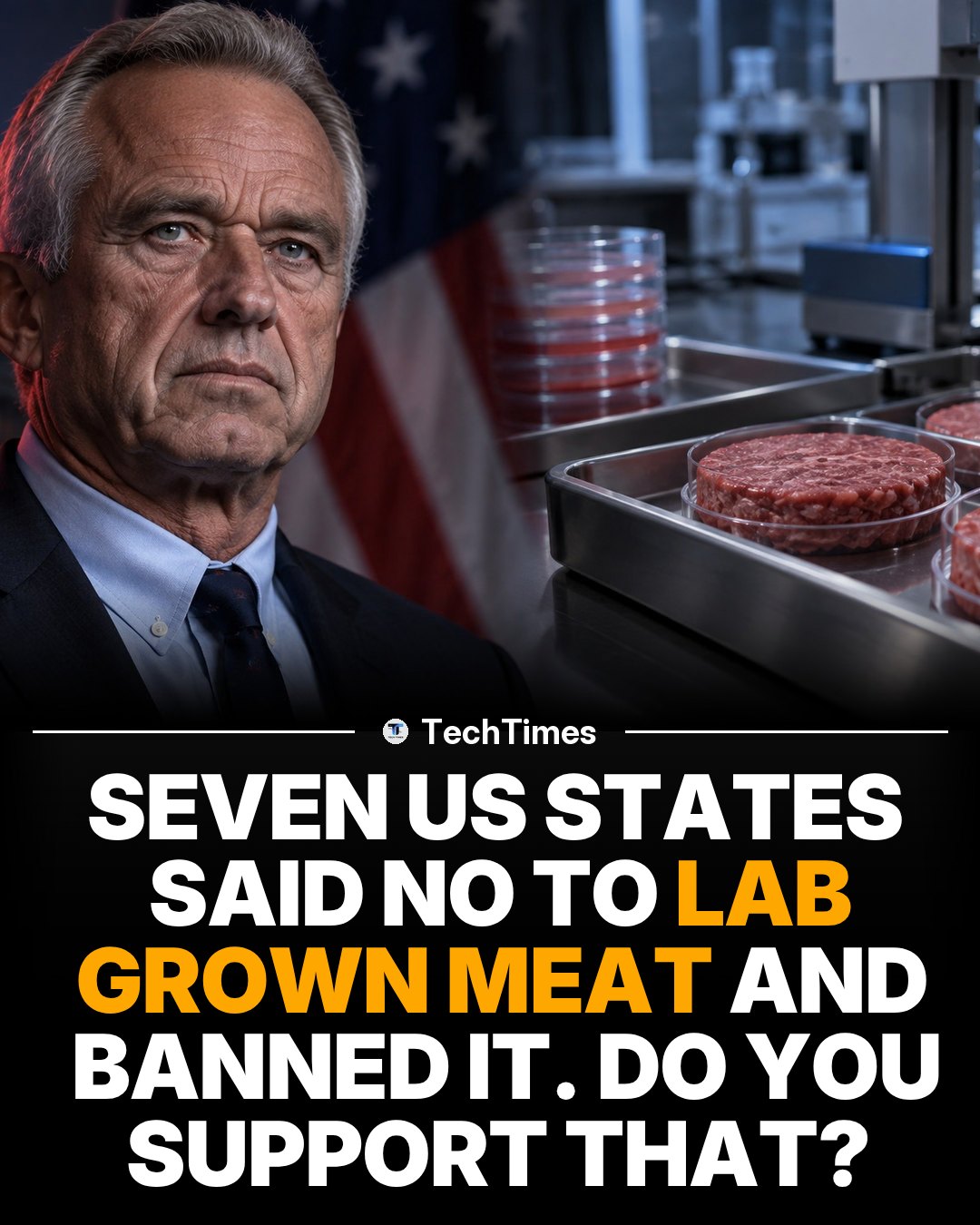
The United States federal government has done little to regulate the emerging meat-growing industry this decade. And the lack of federal regulation is leaving it to states to decide whether or not lab-grown meat can be used, which has resulted in a patchwork of federal, state, and local policies and regulations on alternative proteins. The use of lab-grown meat has become a controversial subject in the U.S. pitting food and agriculture companies against health food and environmental activists. Seven states have made a definitive stance, and consumers are left asking whether putting the ban on lab-grown meat will be a boon or a bane.
The controversial nature of lab-grown meat
Lab-grown meat, also known as cellular agriculture or cultured meat, is produced by in vitro cultivation of animal cells. The meat is grown in a laboratory. This process involves taking muscle cells from animals, usually livestock, and growing them in a nutrient-rich medium to produce meat. The resulting product is structurally and chemically similar to conventional meat. Lab-grown meat offers a number of potential benefits and some serious risks. As there are no animals with the last meal in mind, the process is less harmful to sentient beings on Earth. Reduced farmland and environmental degradation are compelling justifications for lab-grown meat. It can also provide a solution to food insecurity and dietary concerns. However, there are also potential drawbacks and concerns about lab-grown meat. One of the main concerns is the risk of contamination and food safety issues and keeping up with demand. Another concern is cost. Culturing meat in a lab is expensive. Additionally, the process is aimed at preserving the environment to support a meat-hungry society. However, many argue that using vegetables as a substitute could also protect the planet.
Battling regulatory uncertainty
In the U.S., webinars and conferences on cellular agriculture and lab-grown meat have multiplied as it becomes clear that lab-grown meat has the potential to be big business. Furthermore, the debate between industry advocates and animal welfare activists has become heated with dozens of states getting involved in regulating the industry. On the other hand, states are also grappling with complex regulatory questions about cultured meat. Animal welfare advocates have called for state intervention to ensure that the products are safe and ethical. Some states have enacted laws that specifically address the labeling of lab-grown meat, and restrict the sale of the product.
The order of the ban and its impact
Who is banning lab-grown meat and why
The map of the US is slowly being divided by laws banning lab-grown meat. Arizona, California, Missouri, Mississippi, Nebraska, North Dakota, and Texas have all enacted laws that ban lab-grown meat. The specifics of the ban vary by state, but they generally either prohibit the sale of lab-grown meat, or require that it be labeled in a way that differentiates it from conventional meat. Missouri, California, and Texas have enacted laws designed to prevent misleading labeling of lab-grown meat. Missouri's laws ban the use of terms like "meat" or "beef" to describe lab-grown meat. California's law requires that lab-grown meat be labeled as "lab-grown" or "cell-based," while Texas has enacted a law that explicitly bans the sale of lab-grown meat.
The resistance to the ban
The industry has responded to the ban with a series of protests, petitions and regulatory challenges. Some companies have filed lawsuits challenging the bans, citing the First Amendment and other constitutional protections as a basis for their refusal to comply with these policies. These companies argue that the ban infringes on their right to produce and sell lab-grown meat. State legislatures in California and Missouri have overridden the governor's veto and gone ahead with their ban.
The future of lab-grown meat in the U.S.
The executive director of the Good Food Institute (GFI), an organization that supports the development of plant-based and cell-based meat, has called the bans "misguided" and "unscientific." The organization has argued that lab-grown meat is no different from conventional meat and that the bans are unjustified. The organization has also called for the federal government to step in and create a national standard for the regulation of lab-grown meat. Initially, the FDA and USDA agreed to share regulatory oversight of lab-grown meat, with the FDA overseeing cell collection, cell banks, and cell growth and differentiation, and the USDA overseeing the harvesting and processing of cells into meat. The global market for lab-grown meat is expected to reach $28.67 billion by 2030, and the future of lab-grown meat in the US remains uncertain.
Reconsidering where you eat
While consumers will have to follow the laws of their own state, most states that have not banned the sale of lab-grown meat still have no RDA for daily intake. However, a few places have come out in support of the product. Here are the locations in the US you can safely experiment with lab-grown meat.
- Odin: The first consumer-facing lab-grown meat product to be sold in the US. The company has partnered with restaurants and food service providers to offer their products.
- Upside Foods: A leading company in the lab-grown meat industry. Their products are available in select restaurants and food service providers.
- Otto's Butcher Shop: A San Francisco-based butcher shop that sells lab-grown meat products. The shop is one of the first in the US to offer lab-grown meat to consumers.
Watch the Reel
Questions readers ask
What exactly is lab-grown meat and how is it produced?
Lab-grown meat, also known as cellular agriculture or cultured meat, is produced by growing animal cells in a lab. The process involves taking muscle cells from livestock and cultivating them in a nutrient-rich medium until they form meat. This method aims to mimic the structure and composition of conventional meat, offering a potential alternative to traditional farming.
Why have seven states banned lab-grown meat?
The seven states—Arizona, California, Missouri, Mississippi, Nebraska, North Dakota, and Texas—have banned lab-grown meat due to concerns about labeling, food safety, and the potential impact on traditional agriculture. They have enacted laws that either prohibit the sale of lab-grown meat or require specific labeling to differentiate it from conventional meat.
What are the potential benefits and drawbacks of lab-grown meat?
Lab-grown meat offers several benefits, including reduced animal cruelty, lower environmental impact, and potential solutions to food insecurity. However, it also faces challenges such as high production costs, food safety concerns, and debates over whether it truly addresses environmental issues compared to plant-based alternatives.
How do the bans on lab-grown meat vary by state?
The specifics of the bans vary by state. Some states, like Missouri and Texas, have enacted laws designed to prevent misleading labeling, while others, like Arizona and Mississippi, have outright prohibitions on the sale of lab-grown meat. These variations create a complex regulatory landscape for the industry.
What impact do these bans have on the lab-grown meat industry?
The bans create significant regulatory hurdles for the lab-grown meat industry, making it difficult for companies to operate and scale. This patchwork of regulations also creates uncertainty for consumers and investors, potentially slowing down the adoption of this technology.
What are the arguments for and against lab-grown meat?
Proponents of lab-grown meat argue that it reduces animal suffering and environmental degradation, and can help address food insecurity. Opponents, including some food and agriculture companies, raise concerns about food safety, cost, and the potential for lab-grown meat to perpetuate a meat-heavy diet rather than promoting plant-based alternatives.
Are there any federal regulations for lab-grown meat in the US?
As of now, the U.S. federal government has done little to regulate the emerging lab-grown meat industry. This lack of federal oversight has led to a patchwork of state and local regulations, creating a complex environment for companies operating in this space.
Recent articles
Fresh deep dives from the latest Reels we unpacked.




Comments
Be the first to comment.