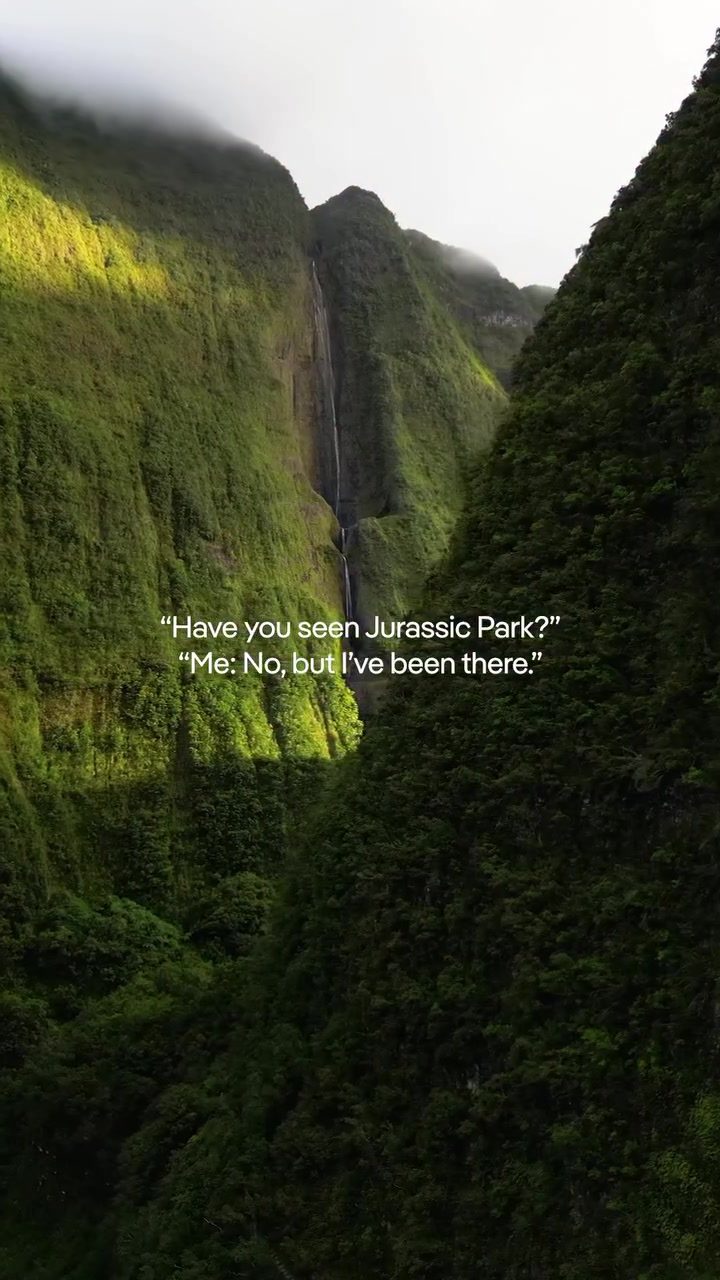
Exploring La Réunion: A Jurassic Park-Like Landscape
La Réunion, a French island in the Indian Ocean, is renowned for its striking landscapes that often evoke comparisons to the fictional world of Jurassic Park. This striking destination is shaped by millions of years of volcanic activity and erosion, resulting in a unique topography dominated by steep cliffs, cirques, and dense rainforests. This lush, pristine landscape remains largely inaccessible, preserving its untouched beauty.
Why This Matters
For travelers seeking a blend of adventure and natural beauty, La Réunion offers a rare experience. The island's unique topography, shaped by volcanic activity and erosion, has created a landscape that feels almost untouched by human hands. This rugged terrain is home to dense rainforests, steep cliffs, and breathtaking waterfalls, making it a paradise for nature enthusiasts and adventure seekers alike.
Main Discussion
Volcanic Origins and Erosion
La Réunion's dramatic landscape is the result of millions of years of volcanic activity and erosion. The island's two main volcanoes, Piton des Neiges and Piton de la Fournaise, have played a crucial role in shaping its unique topography. Piton des Neiges, a dormant volcano, is the highest point on the island, while Piton de la Fournaise is one of the most active volcanoes in the world, having erupted over 150 times since the 17th century. This ongoing volcanic activity has created a landscape of steep cliffs, craters, and lava fields, which have been further sculpted by erosion over time.
The Tropical Rainforest
The dense rainforests that dominate La Réunion's interior are home to a rich biodiversity, including many endemic species found nowhere else on Earth. These lush forests are characterized by their towering trees, ferns, and mosses, creating a verdant landscape that feels almost primordial. The rainforest is also home to a variety of wildlife, including unique bird species, reptiles, and amphibians, making it a haven for wildlife enthusiasts and nature lovers.
The Waterfalls
La Réunion's waterfalls are another highlight of the island's stunning landscape. The island is home to numerous waterfalls, including Cascade Blanche, Cascade Voile de la Mariée, and Cascade Salazie, each with its own unique character and beauty. These waterfalls cascade down steep cliffs and through lush rainforests, creating a mesmerizing sight that has earned them the nickname "the tears of the island."
Cascade Blanche
Cascade Blanche is one of the most iconic waterfalls on the island. Located near the Salazie Road, it is known for its stunning beauty and the lush greenery that surrounds it. The waterfall cascades down a steep cliff, creating a misty spray that adds to its ethereal beauty. Cascade Blanche is a popular spot for hiking and photography, offering visitors a chance to immerse themselves in the island's natural beauty.
Cascade Voile de la Mariée
Cascade Voile de la Mariée, or "Bridal Veil Falls," is another must-see waterfall on the island. Located near the town of Salazie, it is known for its delicate, misty cascade that resembles a bridal veil. The waterfall is surrounded by lush rainforest, creating a serene and picturesque setting. Visitors can take a leisurely hike to the falls, where they can enjoy the beauty of the surrounding landscape and the soothing sound of the water.
Cascade Salazie
Cascade Salazie, located in the Salazie cirque, is a lesser-known but equally stunning waterfall. It is known for its powerful cascade and the lush greenery that surrounds it. The waterfall is located in a remote area and can be a bit challenging to reach, but the effort is well worth it for the stunning views and the sense of tranquility that it offers.
The Cirques
La Réunion is home to three large cirques, or volcanic amphitheaters, known as Cilaos, Salazie, and Mafate. These cirques were formed by volcanic eruptions and subsequent erosion, creating vast, bowl-shaped valleys surrounded by high cliffs. Each cirque is home to its own unique ecosystem, including dense rainforests, waterfalls, and endemic plant and animal species.
The cirques are also home to small villages and traditional agricultural communities, offering visitors a unique glimpse into the island's rural way of life. Despite their remote location, the cirques are home to a diverse array of wildlife, including many endemic species found nowhere else on Earth.
Practical Tips
Best Time to Visit
The best time to visit La Réunion for outdoor activities and wildlife viewing is during the dry season, from April to November. During this time, the weather is generally sunny and dry, making it ideal for hiking, photography, and other outdoor activities. However, if you prefer cooler temperatures and lush greenery, consider visiting during the wet season, from December to March, when the island's rainforests are at their most vibrant.
Getting There
Getting to La Réunion can be a bit challenging, as the island is located in the middle of the Indian Ocean. The most common way to get to the island is by plane, with flights available from several international destinations, including Paris, Johannesburg, and Réunion Island.
Where to Stay
Accommodation on the island ranges from budget-friendly hostels to luxury resorts, so there are plenty of options to suit every budget and taste. Some of the most popular areas to stay include Saint Gilles, a popular beach town on the west coast, and Saint Denis, the island's capital.
Getting Around
Renting a car is the most convenient way to get around the island, as it allows you to explore at your own pace and reach some of the more remote areas. Alternatively, you can use public transportation, although it can be less frequent and may not reach some of the more remote areas.
Essential Gear
When exploring the island's natural beauty, it's essential to be prepared. Pack comfortable hiking shoes, a waterproof jacket, and a hat to protect you from the sun. Additionally, bring plenty of water and snacks, as some hikes and activities can take several hours.
Important Takeaways
La Réunion's unique topography, shaped by millions of years of volcanic activity and erosion, has created a landscape that is both stunning and untouched. The island's dense rainforests, steep cliffs, and breathtaking waterfalls offer visitors a rare opportunity to experience a landscape that feels almost untouched by human hands. Whether you're a nature enthusiast, an adventure seeker, or simply looking for a unique and beautiful destination, La Réunion's landscape is sure to leave a lasting impression.
Conclusion
La Réunion's stunning landscape, shaped by volcanic activity and erosion, offers visitors a unique and unforgettable experience. From the dense rainforests and steep cliffs to the breathtaking waterfalls and cirques, the island's natural beauty is sure to leave a lasting impression. Whether you're a nature enthusiast, an adventure seeker, or simply looking for a unique and beautiful destination, La Réunion is a must-visit.
Watch the Reel
Questions readers ask
What makes La Réunion's landscapes unique and similar to Jurassic Park?
La Réunion's landscapes are unique due to millions of years of volcanic activity and erosion, creating steep cliffs, cirques, and dense rainforests. These features give the island a rugged, untouched appearance reminiscent of the fictional Jurassic Park.
What are some of the most notable features of La Réunion's rainforests?
La Réunion's rainforests are dense and lush, covering a significant portion of the island. They are home to diverse flora and fauna, and their thick canopy and rugged terrain make them a thrilling destination for hikers and nature enthusiasts.
Which waterfalls in La Réunion are must-sees for visitors?
La Réunion is home to numerous stunning waterfalls, including Trou Blanc, Voile de la Mariée, and the iconic Cascade Bassin Bleu. These waterfalls offer breathtaking views and are often accessible via scenic hikes, adding to the adventure experience.
How has volcanic activity shaped La Réunion's topography?
Volcanic activity has significantly shaped La Réunion's topography, contributing to its dramatic landscapes. The island is home to the active Piton de la Fournaise volcano, which has created unique geological features and a diverse range of soil types, supporting a rich biodiversity.
What are the Salazie landscapes known for?
The Salazie landscapes are known for their lush, green valleys and towering cliffs, often surrounded by clouds, creating an ethereal atmosphere. This region is particularly noteworthy for its scenic beauty and offers a variety of hiking trails that showcase the best of La Réunion's natural wonders.
What types of adventures can visitors expect in La Réunion?
La Réunion offers a wide range of adventures, from hiking through dense rainforests and exploring volcanic landscapes to swimming in natural pools at the base of waterfalls. The island's rugged terrain and diverse ecosystems provide an exciting playground for outdoor enthusiasts.
What makes La Réunion a rare and pristine destination for nature lovers?
La Réunion's rugged and largely inaccessible terrain has helped preserve its natural beauty, making it a rare destination for nature lovers. The island's unique landscapes, shaped by volcanic activity and erosion, offer a pristine and untouched environment that feels almost untouched by human hands.
Related deep dives
Similar reads based on topic and creator.


Recent articles
Fresh deep dives from the latest Reels we unpacked.




Comments
Be the first to comment.