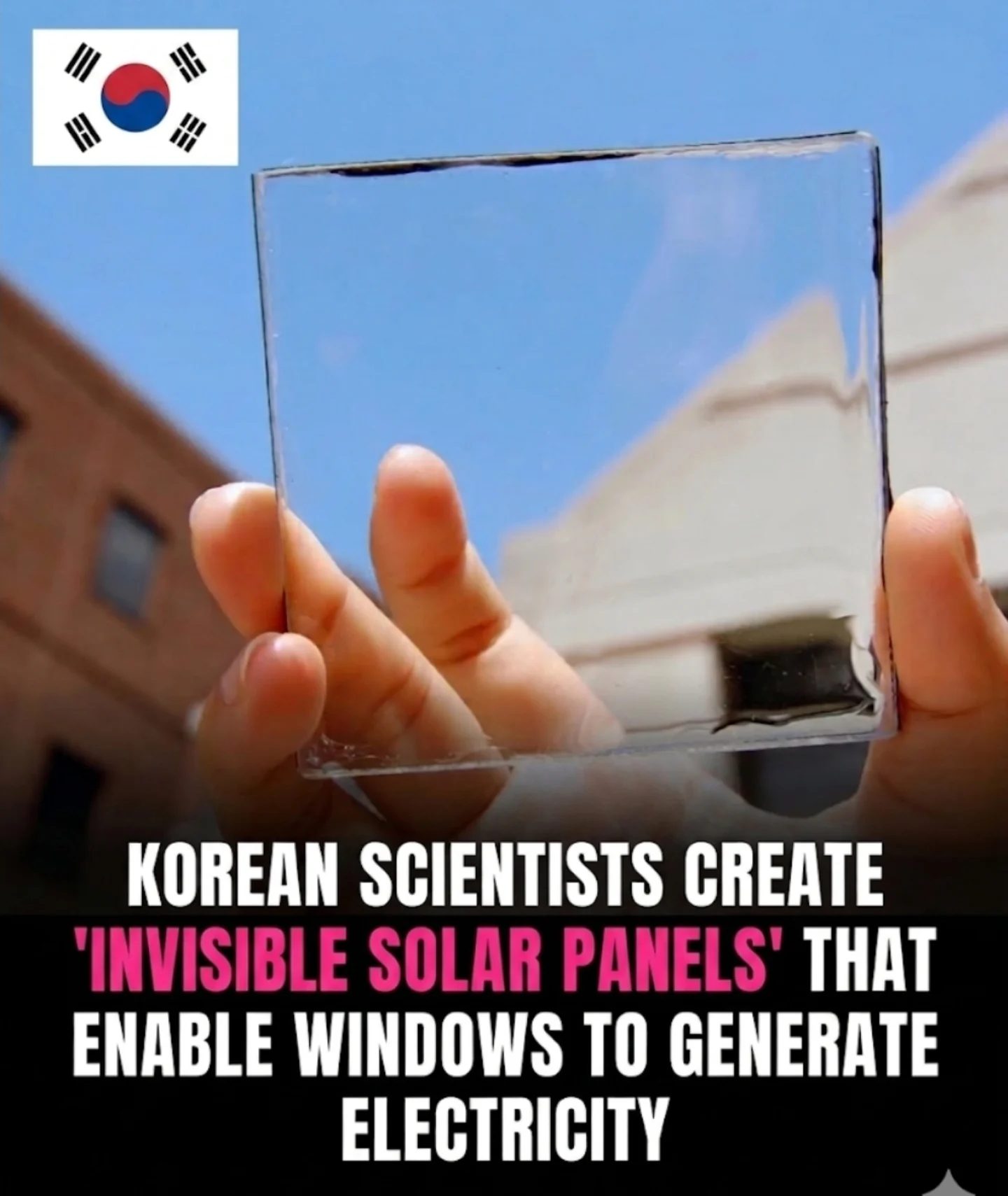
Invisible Solar Panels
Invisible solar panels represent a groundbreaking innovation in renewable energy technology. Developed by a research team led by Professor Joondong Kim at Incheon National University in South Korea, these panels offer a seamless integration into everyday surfaces, transforming how we think about solar energy generation.
Context / Why this matters
The traditional solar panels we often see on rooftops are bulky and opaque, relying on visible light to generate electricity. This design limits their application, especially in urban areas where space is at a premium and aesthetics matter. Invisible solar panels address these issues by utilizing a unique crystalline heterojunction thin-film technology. This advancement allows panels to be integrated into windows, car glass, and even smartphone screens, making them ideal for high-density urban environments.
Main discussion
The Science Behind Invisible Solar Panels
The invisible solar panels are made from a thin-film composed of titanium dioxide (TiO₂) and nickel oxide (NiO). These materials are not only environmentally friendly and non-toxic but also highly effective in absorbing the ultraviolet (UV) spectrum of sunlight while allowing more than 57% of visible light to pass through. This unique property maintains the optical transparency of the glass, ensuring that the panels do not obstruct views or aesthetic appeal.
This technology is a significant departure from traditional solar panels. Traditional panels are made from silicon and are designed to capture visible light. While effective, they are less versatile and more intrusive. In contrast, the invisible solar panels can be integrated into existing infrastructure without compromising its functionality or appearance. This makes them a practical solution for skyscrapers, vehicles, and portable devices.
Applications in Urban Environments
One of the most exciting aspects of invisible solar panels is their potential to transform urban landscapes. Urban areas are densely populated, and space is a precious commodity. Invisible solar panels can be integrated into building windows, turning entire facades into power generators. This not only saves space but also reduces the need for additional land for solar farms, making cities more self-sustaining.
Cars and other vehicles can also benefit from this technology. Traditional solar-powered vehicles are rare due to the bulkiness and weight of solar panels. Invisible solar panels can be seamlessly integrated into car glass, providing a clean energy source without affecting the vehicle's design or performance. This makes electric vehicles more practical and efficient, reducing their reliance on charging stations.
Additionally, portable devices like smartphones can also harness this technology. Imagine a smartphone that never needs to be charged because it is constantly generating electricity from sunlight. This would revolutionize the way we use and think about portable electronics, making them more sustainable and convenient.
Environmental and Aesthetic Benefits
The environmental benefits of invisible solar panels are substantial. By utilizing non-toxic materials and capturing UV light, these panels reduce the environmental impact of traditional solar energy production. They also eliminate the need for large, space-consuming solar farms, making them a more sustainable option for urban environments.
From an aesthetic standpoint, invisible solar panels are a game-changer. Traditional solar panels can be unsightly and intrusive, often drawing criticism for their appearance. Invisible solar panels, on the other hand, blend seamlessly into their surroundings, maintaining the visual appeal of buildings and vehicles. This makes them a more attractive option for architects, designers, and consumers who prioritize both functionality and aesthetics.
Practical tips
When considering invisible solar panels for your own use, it's important to understand the specific requirements and benefits. Here are some practical tips to help you get started:
- Assess Your Space: Evaluate the surfaces in your environment that could benefit from invisible solar panels. Windows, car glass, and even smartphone screens are all potential candidates.
- Consult Professionals: Work with professionals who have experience in integrating new solar technologies. They can provide guidance on the best applications and installation methods.
- Consider Maintenance: While invisible solar panels are designed to be durable, regular maintenance is still necessary to ensure optimal performance. Follow the manufacturer's recommendations for cleaning and upkeep.
- Think Long-Term: Invisible solar panels offer long-term benefits in terms of energy savings and environmental impact. When making a decision, consider the long-term benefits rather than just the initial cost.
Important takeaways
Invisible solar panels are a paradigm shift in the way we think about solar energy. They offer a space-saving, aesthetically pleasing, and environmentally friendly solution to traditional solar panels. By integrating seamlessly into everyday surfaces, they provide a practical and efficient way to generate clean electricity, making them an ideal choice for modern urban environments.
Conclusion
Invisible solar panels represent the future of renewable energy. By combining innovative technology with practical applications, they offer a sustainable and efficient solution for generating clean electricity. Whether integrated into skyscraper windows, car glass, or smartphone screens, these panels pave the way for a more sustainable and aesthetically pleasing future. As technology advances, expect to see more applications and improvements, making invisible solar panels an integral part of our energy landscape.
Watch the Reel
Questions readers ask
How do invisible solar panels generate electricity?
Invisible solar panels generate electricity by harnessing ultraviolet (UV) light, making them unique from traditional solar panels that rely on visible light. This process allows them to maintain transparency and blend seamlessly with glass surfaces.
Can these solar panels be used on any glass surface?
Yes, the technology developed by Korean scientists can be integrated into any glass surface, from windows to skylights, making it a versatile solution for both residential and commercial buildings.
What makes these solar panels 'invisible'?
The term 'invisible' refers to the panels' transparency. They are nearly undetectable when installed on glass surfaces because they do not obstruct views or alter the aesthetics of the surface.
How do invisible solar panels compare to traditional solar panels in terms of efficiency?
While traditional solar panels have a higher efficiency rate, invisible solar panels offer a unique advantage: they generate power without compromising the aesthetics or transparency of the surface they are installed on. As the technology advances, efficiency rates are expected to improve.
Are these solar panels suitable for urban environments?
Absolutely, these solar panels are designed with urban environments in mind. Their seamless integration into windows and glass surfaces makes them ideal for cities where space is limited and aesthetics are important.
Who developed these invisible solar panels?
The development of these solar panels is credited to a research team at Incheon National University in South Korea, led by Professor Joondong Kim. The team utilized a unique crystalline heterojunction thin-film technology to achieve this innovation.
Can these solar panels be installed on existing windows?
Currently, the technology is in its early stages, and specific installation procedures are still being developed. However, the goal is to create a solution that can be retrofitted to existing windows, making it accessible for a wide range of applications.
Related deep dives
Similar reads based on topic and creator.




Recent articles
Fresh deep dives from the latest Reels we unpacked.




Comments
Be the first to comment.