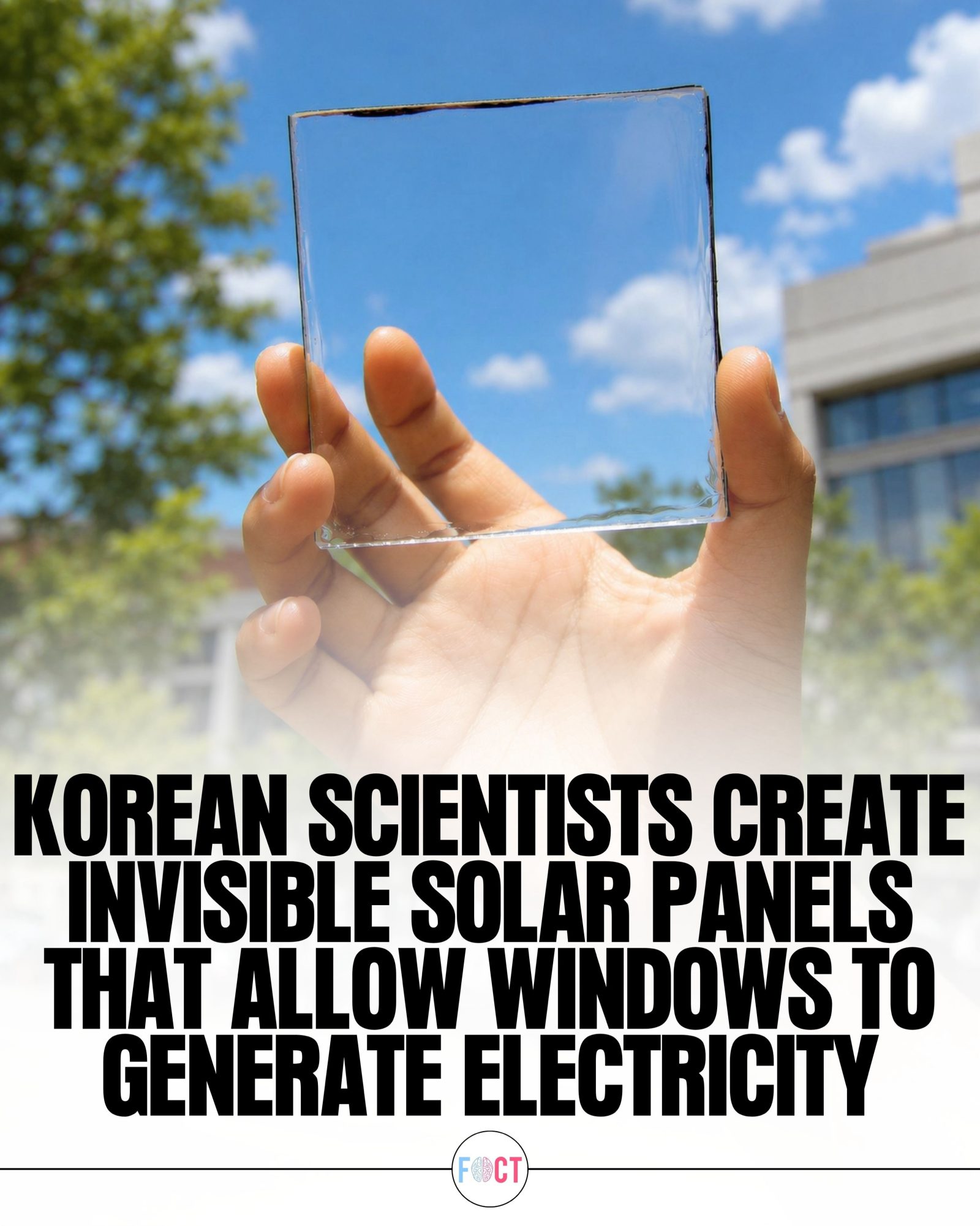
Invisible Solar Panels
Invisible solar panels are revolutionizing the way we think about renewable energy, especially in urban environments. With the capability to generate electricity while maintaining transparency, these panels hold the promise of transforming everyday glass surfaces into clean energy sources. The technology, developed by Korean scientists, has the potential to significantly impact various sectors, from residential buildings to greenhouses and even vehicles.
Why This Matters
As the world continues to seek sustainable energy solutions, the development of invisible solar panels by FOSCT represents a significant leap forward. These panels address a critical limitation of traditional solar panels: their intrusive and often unsightly appearance. By making solar panels invisible, this technology paves the way for more widespread adoption of solar energy, particularly in areas where space is limited, such as high-density urban environments.
The Science Behind Invisible Solar Panels
Harnessing Invisible Light
Invisible solar panels utilize a unique design that allows them to absorb ultraviolet and infrared light, both of which are invisible to the human eye. Unlike traditional solar panels, which absorb a broad spectrum of light, these transparent panels are engineered to let most visible light pass through. This means that windows or glass surfaces can generate electricity without compromising their transparency or functionality.
How They Work
The technology behind these panels involves specialized materials and coatings that absorb the specific wavelengths of UV and infrared light. This process converts the absorbed light into electrical energy. The materials used are transparent, ensuring that the windows and glass surfaces through which the light passes remain clear. This is a significant advancement over conventional solar panels, which are typically opaque and can be bulky.
Applications and Integration
Residential and Commercial Buildings
Invisible solar panels have the potential to transform windows on homes, office buildings, and skyscrapers into energy-generating surfaces. By replacing traditional windows with these transparent panels, buildings could generate a portion of their own electricity, reducing their reliance on external power sources. This integration would not only enhance energy efficiency but also contribute to a cleaner, more sustainable environment.
Greenhouses
Greenhouses could also benefit significantly from this technology. Transparent solar panels would allow for the generation of electricity while still permitting the necessary light for plant growth. This dual functionality would make greenhouses more energy-efficient, reducing their overall energy costs and environmental impact.
Vehicle Glass
The automotive industry could benefit as well. Vehicle glass, such as windshields and windows, could be equipped with these transparent solar panels, providing a self-sustaining power source for electric and hybrid vehicles. This would extend the range and efficiency of these vehicles, making them more practical for everyday use.
Practical Tips
For Homeowners
If you are considering integrating invisible solar panels into your home, here are a few tips to keep in mind:
- Consult with Professionals: Work with renewable energy experts who can assess your home's energy needs and recommend the best configuration for your solar panels.
- Evaluate Energy Output: Understand the potential energy output of the panels and how they will fit into your overall energy consumption.
- Optimize Placement: Ensure that the panels are placed in areas that receive maximum sunlight to optimize energy generation.
For Businesses
Businesses looking to adopt this technology for their buildings should consider the following:
- Evaluate Long-Term Benefits: While the initial investment might be substantial, the long-term energy savings and environmental benefits can be significant.
- Assess Structural Requirements: Ensure that your building can support the installation of transparent solar panels without compromising structural integrity.
- Maintenance and Upkeep: Consider the ongoing maintenance and upkeep requirements to ensure the panels continue to function optimally over time.
Important Takeaways
- Energy Efficiency: Invisible solar panels offer a more discreet and efficient way to generate electricity, especially in urban settings.
- Environmental Impact: By reducing reliance on traditional energy sources, these panels contribute to a cleaner, more sustainable environment.
- Versatility: Their transparent nature allows for a wide range of applications, from residential and commercial buildings to greenhouses and vehicles.
Conclusion
Invisible solar panels represent an exciting advancement in renewable energy technology. By allowing windows and glass surfaces to generate electricity without compromising their transparency, these panels offer a practical and sustainable solution for various applications. As research continues to improve their efficiency and transparency, the future of clean energy looks brighter than ever.
Watch the Reel
Questions readers ask
How do transparent solar panels work?
Transparent solar panels use advanced photovoltaic materials that allow visible light to pass through while absorbing infrared and ultraviolet light to generate electricity. This makes them suitable for windows and other glass surfaces where maintaining transparency is crucial.
Can transparent solar panels be used in residential homes?
Yes, transparent solar panels are designed to be integrated into residential homes, especially in windows and glass facades. They can provide a significant portion of a home's electricity needs while preserving the aesthetic appeal of the building.
What are the benefits of using solar panels in windows?
Solar panels for windows offer several benefits, including space efficiency, aesthetic preservation, and the ability to convert otherwise unused surfaces into power sources. This makes them an excellent choice for urban environments where space is limited.
How do Korean solar panels compare to traditional solar panels?
Korean transparent solar panels differ from traditional solar panels in their ability to generate electricity without compromising the transparency of the surface. Unlike traditional panels, which are opaque and often bulky, these panels can be seamlessly integrated into windows and other glass surfaces.
Are there any applications for solar energy glass beyond buildings?
Absolutely. Solar energy glass has applications in various sectors, including greenhouses, where it can provide electricity while allowing light to pass through for plants, and in vehicles, where it can power electric cars or provide additional energy for hybrids.
What makes invisible solar panels a significant advancement in solar technology?
Invisible solar panels represent a significant advancement because they overcome the aesthetic and spatial limitations of traditional solar panels. By being transparent, they can be integrated into a wide range of surfaces without altering their appearance, making solar energy more accessible in urban settings.
How can solar power windows contribute to urban solar energy solutions?
Solar power windows can significantly contribute to urban solar energy solutions by utilizing the extensive glass surfaces found in cities. This allows for the generation of electricity in areas where traditional solar panels would be impractical, making urban environments more sustainable and energy-efficient.
Related deep dives
Similar reads based on topic and creator.




Recent articles
Fresh deep dives from the latest Reels we unpacked.




Comments
Be the first to comment.