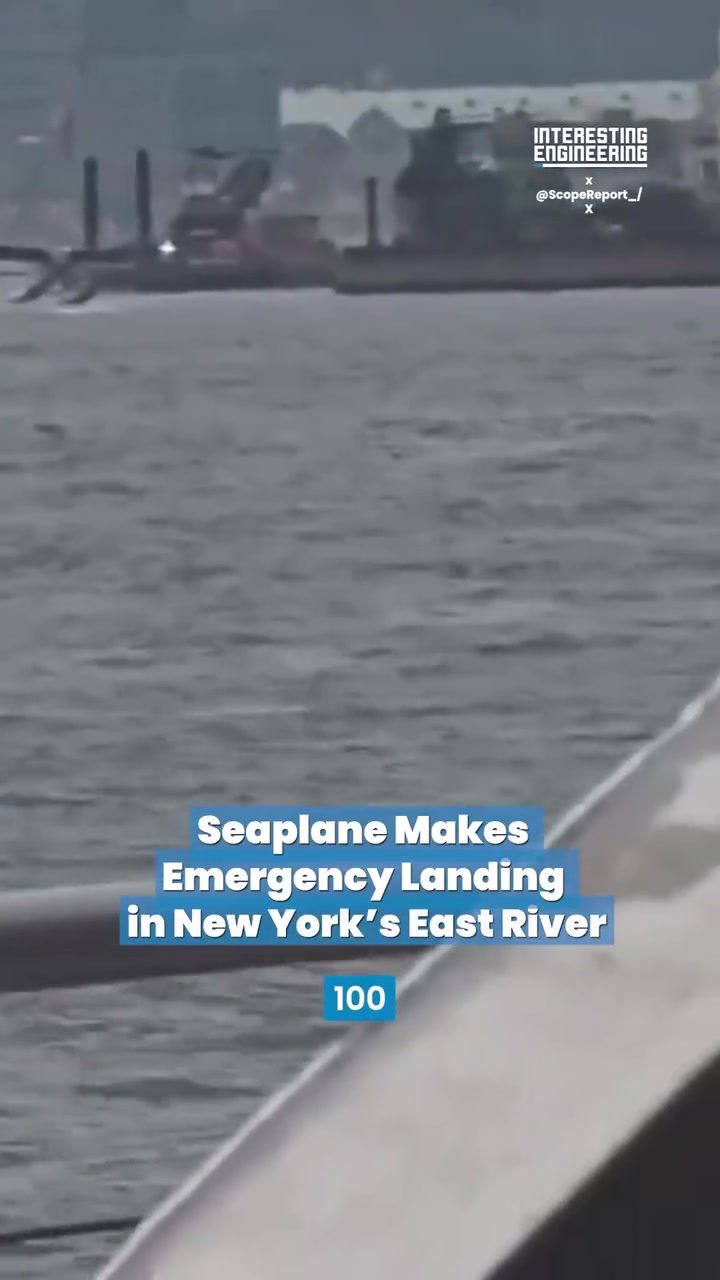
Emergency Landing of a Kodiak 100 Seaplane in New York City's East River
On a Sunday afternoon, a Kodiak 100 seaplane experienced a critical wing strut failure during an emergency landing in New York City's East River. This incident occurred shortly after the seaplane departed from East Hampton Airport, carrying eight occupants. The aircraft made a hard landing just north of the Williamsburg Bridge. All passengers and crew were swiftly evacuated by the FDNY, with two individuals sustaining minor injuries. The aircraft remained upright and was later towed to shore, while the Federal Aviation Administration (FAA) launched a comprehensive investigation into the incident.
Why This Matters
Seaplanes have long been a unique mode of transportation, especially in regions with limited ground infrastructure. They offer accessibility to remote areas and scenic routes, but their operations come with inherent risks. Understanding the details behind this emergency landing provides valuable insights into the safety protocols, emergency response measures, and the technical aspects of seaplane operations.
Key Details of the Incident
The Emergency Landing
The Kodiak 100 seaplane departed from East Hampton Airport at 11:24 a.m. and encountered issues shortly after taking off. The wing strut failure was a critical factor in the plane's hard landing. The impact caused the seaplane to descend rapidly, making use of the river as a landing surface. The East River's busy waterway and surrounding urban area added complexity to the emergency situation.
The Role of Emergency Responders
The prompt response from the FDNY was crucial in managing the situation. The responders swiftly evacuated all eight occupants, ensuring their safety. The minor injuries sustained by two individuals underscore the effectiveness of the emergency protocols in place. The FDNY's efficiency in handling such incidents highlights the importance of preparedness and training in managing aviation emergencies.
The Investigation
The FAA has initiated an investigation into the incident, focusing on the wing strut failure. Preliminary reports indicate that this mechanical failure was the primary cause of the hard landing. The FAA's investigation will delve into the maintenance records, operational procedures, and any other factors that may have contributed to the malfunction. The findings will be critical for enhancing seaplane safety standards and protocols.
Technical Aspects of Kodiak 100 Seaplanes
Design and Features
The Kodiak 100 is a versatile, high-wing amphibious aircraft. Its design incorporates a robust airframe and a retractable landing gear system, making it suitable for both land and water operations. The wing strut, which failed during the emergency landing, is a crucial component of the landing gear, designed to absorb the impact and stabilize the aircraft upon landing.
Maintenance and Safety Protocols
Regular maintenance and adherence to safety protocols are essential for the safe operation of seaplanes. The Kodiak 100, like other aircraft, undergoes routine inspections and maintenance checks. These procedures aim to identify and rectify any potential issues before they escalate into critical failures. The incident emphasizes the importance of rigorous maintenance practices and the implementation of stringent safety checks.
Practical Tips for Seaplane Operators and Passengers
Pre-Flight Checks
Conducting thorough pre-flight checks is a fundamental step in ensuring the safety of seaplane operations. Operators should meticulously inspect the aircraft, focusing on critical components such as the wing struts, landing gear, and engines. Any irregularities or signs of wear should be addressed promptly.
Emergency Preparedness
Emergency preparedness is vital for both operators and passengers. Seaplane operators should be well-versed in emergency landing procedures and regularly simulate such scenarios. Passengers should be briefed on safety protocols and be aware of the steps to take in case of an emergency. This preparation can significantly enhance the chances of a safe outcome during unexpected situations.
Regular Maintenance
Seaplane operators must adhere to a rigorous maintenance schedule. Regular inspections and timely repairs are essential for ensuring the aircraft remains in optimal condition. This proactive approach helps in identifying potential issues before they become critical, thus enhancing the overall safety of operations.
Important Takeaways
The emergency landing of the Kodiak 100 seaplane in New York City's East River serves as a reminder of the inherent risks associated with seaplane operations. The swift response from emergency responders and the FAA's investigation highlight the importance of preparedness and thorough investigations in managing such incidents. For seaplane operators and passengers, emphasizing regular maintenance, conducting thorough pre-flight checks, and maintaining emergency preparedness can significantly enhance safety and mitigate risks.
Conclusion
The incident involving the Kodiak 100 seaplane underscores the complexities and challenges of seaplane operations. While these aircraft offer unique advantages, they also come with specific risks that require careful management. By focusing on regular maintenance, thorough pre-flight checks, and emergency preparedness, seaplane operators and passengers can enhance safety and mitigate potential risks. The ongoing FAA investigation will provide valuable insights into the causes of the incident and contribute to improving seaplane safety standards.
Watch the Reel
Questions readers ask
What is a Kodiak 100 seaplane and what caused it to make an emergency landing in the East River?
A Kodiak 100 seaplane is a type of amphibious aircraft designed for water landings. On this particular Sunday, a Kodiak 100 was forced to make an emergency landing in New York City's East River due to a wing strut failure. This malfunction occurred shortly after the aircraft departed from East Hampton Airport.
What happened during the emergency landing and how did responders react?
The seaplane made a hard landing just north of the Williamsburg Bridge. The FDNY (Fire Department of New York) immediately took action, swiftly evacuating all eight occupants, two of whom sustained minor injuries. The aircraft remained upright and was later towed to shore.
What is the role of the FAA in this incident?
The FAA (Federal Aviation Administration) plays a crucial role in investigating such incidents. They launched a comprehensive investigation to determine the cause of the wing strut failure and to assess the overall safety of the Kodiak 100 seaplane model.
What are the unique challenges of seaplane operations in urban areas like New York City?
Seaplane operations in urban areas present unique challenges due to the proximity of buildings, bridges, and other structures. The East River incident highlights the need for stringent safety measures and emergency preparedness to ensure the safety of passengers and crew in case of a sudden failure or emergency landing.
What should passengers expect during an emergency seaplane landing?
During an emergency seaplane landing, passengers should expect to follow the crew's instructions closely. This may include preparing for a rough landing, evacuating the aircraft swiftly upon touching down, and being ready for potential medical attention. It is essential to remain calm and follow all safety protocols outlined by the crew.
How does the New York City seaplane incident highlight the importance of emergency responders?
This incident underscores the vital role of emergency responders, such as the FDNY, in handling seaplane emergencies. Their swift and effective actions in evacuating passengers and ensuring their safety are crucial in mitigating the risks associated with seaplane operations and emergencies.
What preventative measures can be taken to minimize the risk of such incidents in the future?
To minimize the risk of similar incidents, regular maintenance and inspections of seaplanes, including the wing strut, are essential. Additionally, continuous training for pilots and crew on emergency procedures, and enhanced safety protocols can help ensure the safe operation of seaplanes in challenging environments.
Related deep dives
Similar reads based on topic and creator.




Recent articles
Fresh deep dives from the latest Reels we unpacked.




Comments
Be the first to comment.